


 English
 中文简体
中文简体 Español
 日本語
日本語Submit feedback


Industry News
What Makes Tricot Fabric a Popular Choice for Lingerie and Underwear?
2026-05-01
Introduction
What defines the ideal fabric for intimate apparel, and how can manufacturers balance comfort, durability, and aesthetics without compromising performance? In the evolving textile industry, selecting the right material is essential for delivering products that meet both functional and sensory expectations. Among various knit constructions, tricot fabric has emerged as a preferred solution for lingerie and underwear due to its unique structural and performance characteristics.
Understanding Tricot Fabric
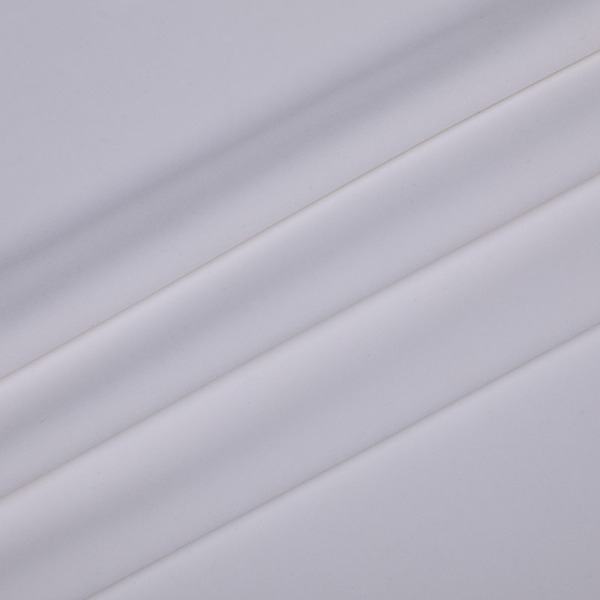
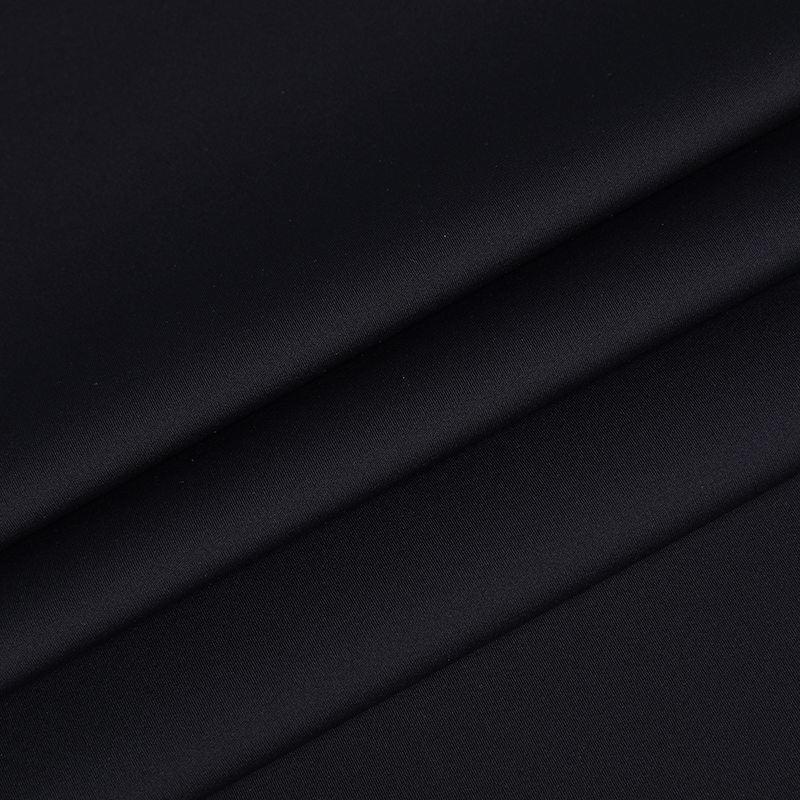
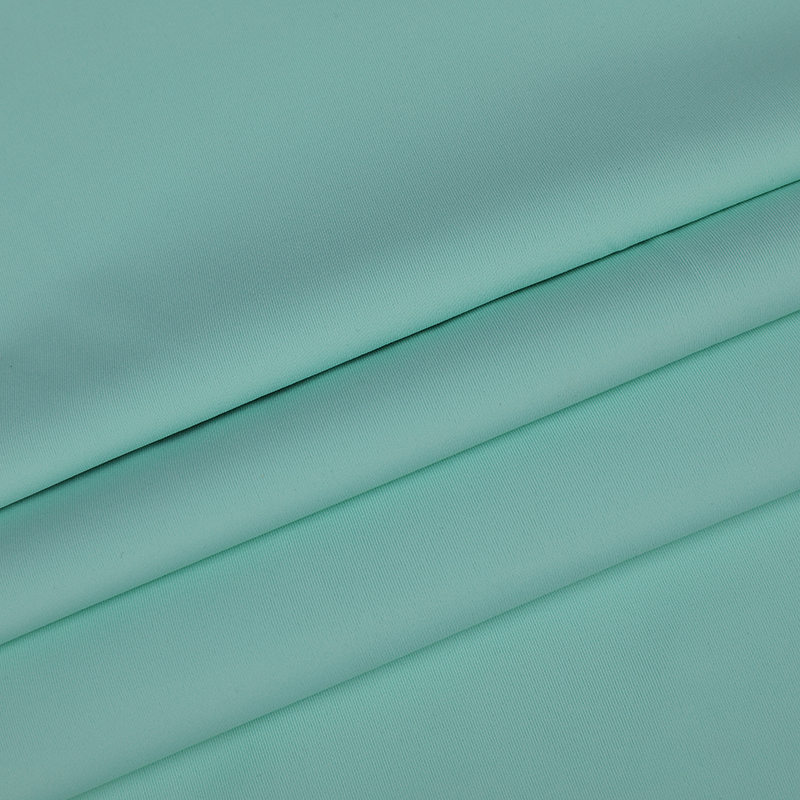
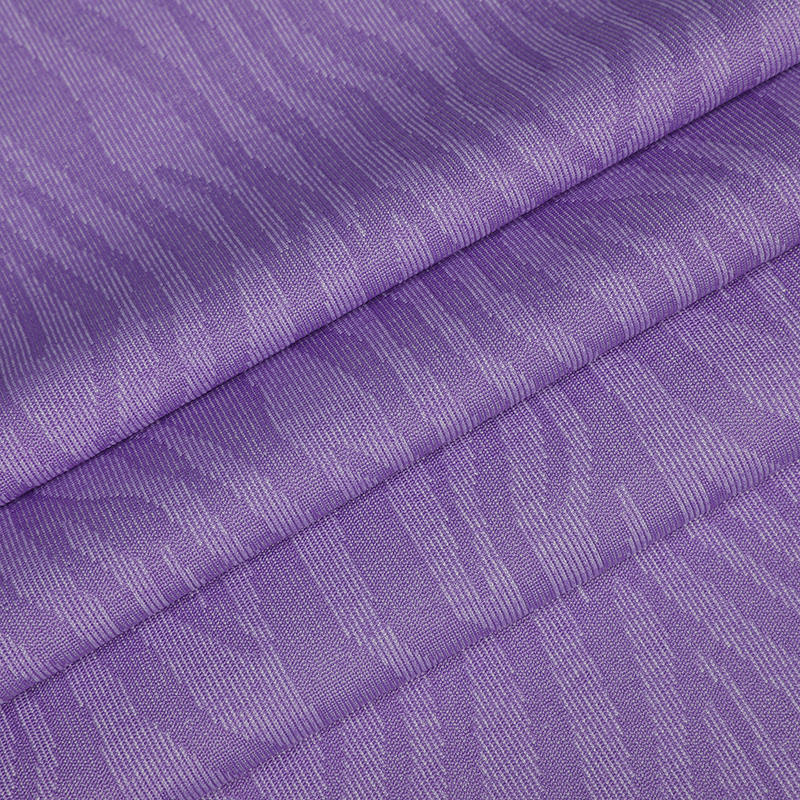
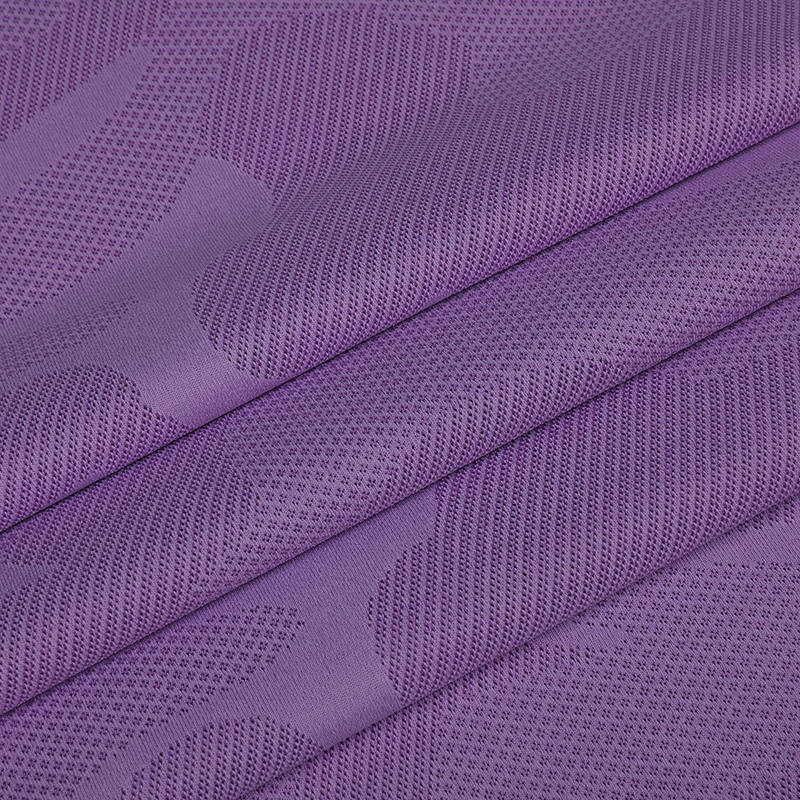
Tricot fabric is a type of warp-knit fabric produced using a specialized knitting technique where yarns run vertically (warp direction) and interlock in a zigzag pattern. This construction results in a smooth surface on one side and a slightly textured surface on the other.
Key Structural Characteristics
- Fine, tightly knit structure
- Smooth face and matte or slightly textured back
- High dimensional stability
- Moderate stretch with recovery
The warp knitting process gives tricot fabric a distinct advantage over weft-knit fabrics by providing better resistance to runs and improved durability.
Why Tricot Fabric Excels in Lingerie Applications
The popularity of tricot fabric in lingerie and underwear is not accidental. It is the result of a combination of technical properties that align closely with the functional requirements of intimate apparel.
1. Superior Comfort and Softness
Comfort is the primary requirement for underwear. Tricot fabric offers:
- A smooth surface that minimizes skin irritation
- Lightweight construction for a barely-there feel
- Soft hand feel suitable for prolonged wear
Unlike heavier fabrics, tricot fabric conforms gently to the body, enhancing comfort without creating pressure points.
2. Controlled Stretch and Shape Retention
Lingerie requires elasticity, but excessive stretch can compromise fit. Tricot fabric provides:
- Multi-directional flexibility
- Controlled stretch that supports body contours
- Excellent recovery to maintain garment shape
This balance ensures that garments retain their structure even after repeated use and washing.
3. Breathability and Moisture Management
Breathability is critical for hygiene and comfort. Tricot fabric supports airflow and helps manage moisture through:
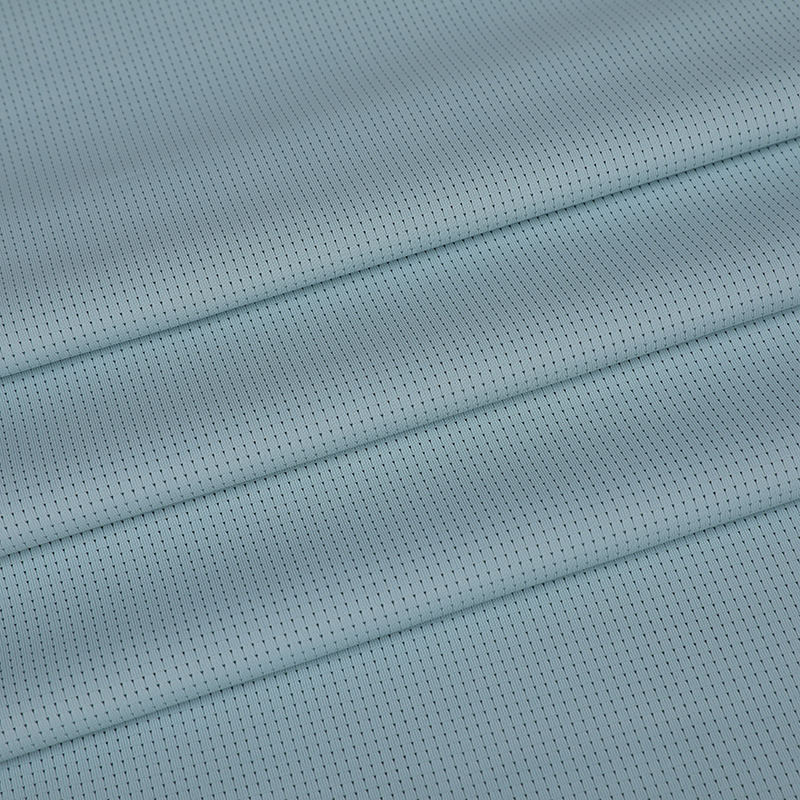
- Fine knit construction that allows ventilation
- Quick-drying properties
- Reduced moisture retention
These characteristics contribute to a fresher and more comfortable wearing experience.
4. Durability and Resistance to Wear
Underwear is subject to frequent washing and friction. Tricot fabric is known for:
- Resistance to runs and snags
- High tensile strength
- Long-lasting performance under repeated laundering
This durability extends the lifecycle of garments, making it a practical choice for everyday wear.
5. Aesthetic Versatility
In addition to performance, lingerie must also meet aesthetic expectations. Tricot fabric supports:
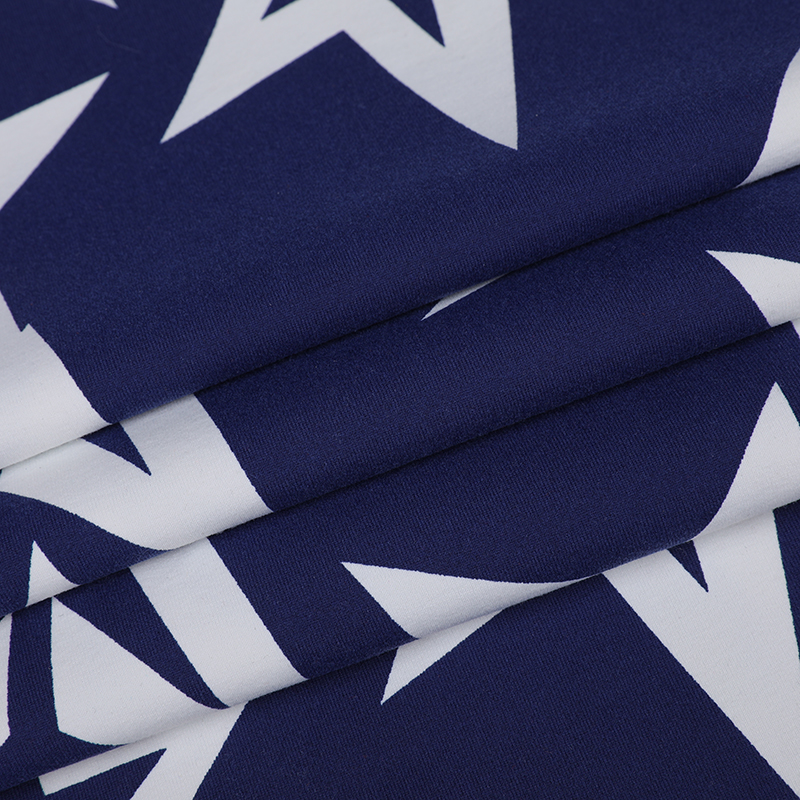
- Smooth finishes suitable for printing and dyeing
- Compatibility with lace and decorative elements
- Consistent appearance across production batches
Its refined surface enhances the visual appeal of finished products.
Comparison with Other Lingerie Fabrics
To better understand the advantages of tricot fabric, it is useful to compare it with other commonly used materials.
| Property | Tricot Fabric | Cotton Fabric | Lace Fabric | Mesh Fabric |
|---|---|---|---|---|
| Softness | High | Moderate | Variable | Moderate |
| Stretch | Controlled | Low | High (variable) | High |
| Breathability | Good | Excellent | Moderate | Excellent |
| Durability | High | Moderate | Low to moderate | Moderate |
| Shape Retention | Excellent | Limited | Limited | Moderate |
| Surface Smoothness | Very smooth | Slightly textured | Patterned | Open structure |
This comparison highlights how tricot fabric offers a balanced combination of properties that are particularly suited to lingerie manufacturing.
Manufacturing Process of Tricot Fabric
The performance of tricot fabric is closely linked to its production method.
Warp Knitting Technique
Tricot fabric is produced on warp knitting machines where multiple yarns are fed simultaneously. The yarns form loops that interlock diagonally, creating a stable and uniform structure.
Key Production Features
- High-speed manufacturing capability
- Consistent fabric quality
- Minimal yarn waste
- Ability to incorporate synthetic fibers such as polyester or nylon
The use of synthetic fibers further enhances elasticity, durability, and moisture resistance.
Functional Benefits in Lingerie Design
1. Enhanced Fit and Support
The elasticity of tricot fabric allows garments to:
- Adapt to body contours
- Provide light support without compression
- Maintain consistent sizing across different body shapes
2. Seamless Integration
Tricot fabric is suitable for seamless or low-seam designs, which:
- Reduce friction against the skin
- Improve comfort in sensitive areas
- Enhance the overall wearing experience
3. Lightweight Performance
The lightweight nature of tricot fabric ensures:
- Reduced garment weight
- Improved mobility
- Increased comfort in warm conditions
Common Applications in Intimate Apparel
Tricot fabric is widely used across different categories of lingerie and underwear:
- Bras (lining and cups)
- Panties and briefs
- Shapewear layers
- Sleepwear components
- Lightweight undershirts
Its versatility allows manufacturers to use it as both a primary material and a supportive inner layer.
Key Factors Driving Market Demand
Several industry trends contribute to the increasing demand for tricot fabric:
1. Focus on Comfort-Oriented Design
Consumers prioritize comfort, which results in a preference for soft, flexible fabrics.
2. Growth of Performance Lingerie
Modern lingerie combines aesthetics with functionality, requiring materials that deliver both.
3. Advancements in Synthetic Fibers
Improved fiber technology enhances the performance of tricot fabric, making it more adaptable to different applications.
Challenges and Considerations
While tricot fabric offers many advantages, certain considerations should be addressed:
1. Limited Natural Fiber Content
Most tricot fabrics are synthetic, which may not appeal to users seeking natural materials.
2. Heat Sensitivity
Synthetic fibers can be sensitive to high temperatures during washing or drying.
3. Environmental Concerns
The use of synthetic materials raises sustainability considerations, encouraging the development of recycled or eco-friendly alternatives.
Conclusion
Tricot fabric has established itself as a reliable and versatile material in the lingerie and underwear industry. Its combination of softness, durability, controlled stretch, and breathability aligns closely with the functional requirements of intimate apparel. The warp-knit structure provides stability and resistance to wear, while its smooth surface enhances comfort and aesthetic appeal.
FAQ
1. What is tricot fabric mainly used for?
Tricot fabric is primarily used in lingerie, underwear, sportswear linings, and lightweight garments due to its smooth texture and durability.
2. Is tricot fabric breathable enough for daily wear?
Yes, tricot fabric offers good breathability and moisture management, making it suitable for everyday underwear.
3. How does tricot fabric differ from regular knit fabric?
Tricot fabric is warp-knit, providing better stability and resistance to runs compared to traditional weft-knit fabrics.
4. Does tricot fabric stretch well?
It offers controlled stretch with recovery, ensuring a consistent fit without losing shape.
5. Is tricot fabric durable after washing?
Yes, it maintains its structure and performance even after repeated washing when properly cared for.
CONTACT US
If you need a quote or have any questions, you can fill out the following form to contact us.

ABOUT
PRODUCT
CONTACT US
-
 West 3rd Floor, Building 5, Zone A, Hangpai Garment Industrial Park, Changan Town, Haining City, Jiaxing City, Zhejiang Province
-
 +886978217318
-
 [email protected]/[email protected]
Copyright © Haining Junrui Textile Co., Ltd. All Rights Reserved.
