


 English
 中文简体
中文简体 Español
 日本語
日本語Submit feedback
 Home / News / Industry News / What Are the Key Advantages of Warp Knitting Fabric in Modern Apparel Manufacturing?
Industry News
What Are the Key Advantages of Warp Knitting Fabric in Modern Apparel Manufacturing?
2026-04-24
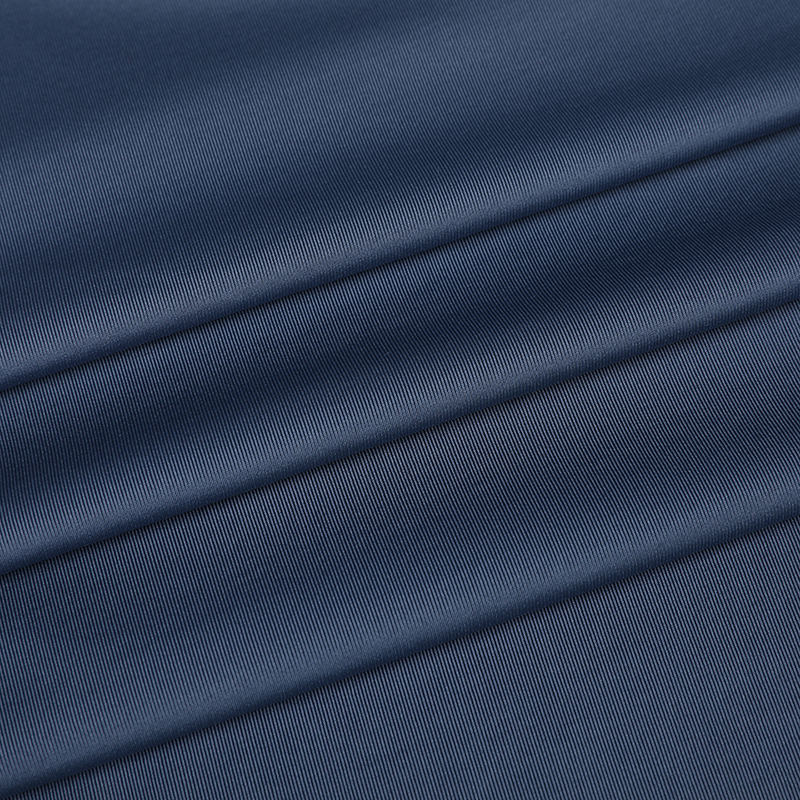
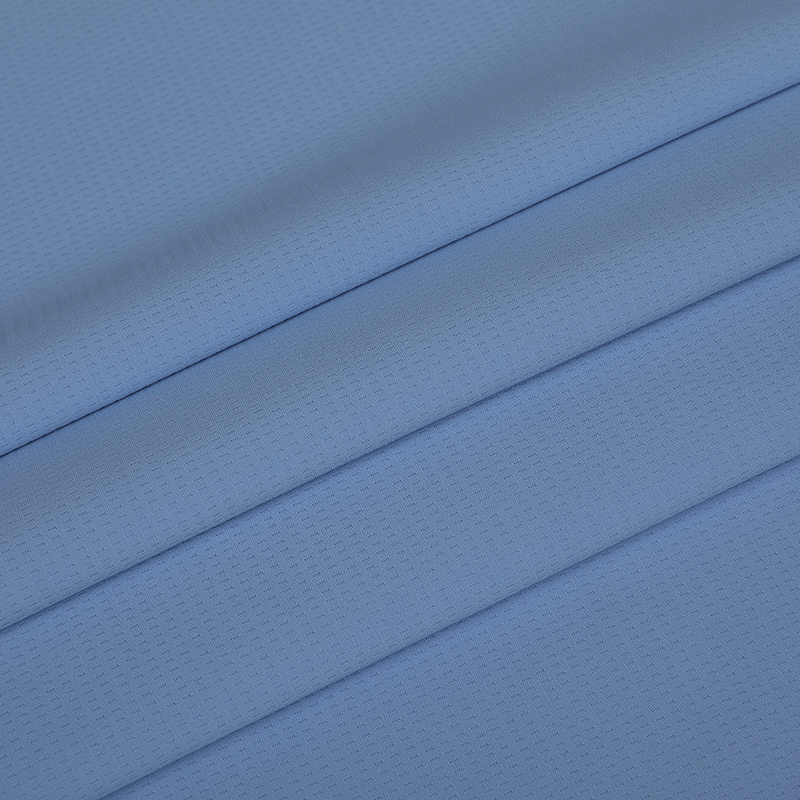
In the rapidly evolving landscape of textile technology, warp knitting fabric has emerged as a cornerstone of modern apparel manufacturing. Unlike weft knitting, where loops are formed horizontally, warp knitting involves the parallel formation of loops along the length of the fabric. This fundamental structural difference grants the material unique physical properties that cater to the demanding requirements of contemporary fashion, sportswear, and industrial applications.
Structural Integrity and Dimensional Stability
One of the primary technical advantages of warp knitting fabric is its exceptional dimensional stability. Due to the interconnected nature of the warp yarns, the fabric resists deformation under tension. In apparel manufacturing, this translates to garments that maintain their shape after repeated wear and laundering cycles. This characteristic is particularly critical for form-fitting garments where precision in sizing is paramount.
Furthermore, the structure of warp knitting fabric is inherently ladder-proof. Because the yarns are looped in a zigzag pattern along the fabric’s length, a single broken thread does not result in a run or ladder, which is a common failure point in weft-knitted textiles. This durability extends the lifecycle of the finished product, aligning with the industry’s shift toward higher quality and sustainable consumption.
Efficiency in Large-Scale Production
From a manufacturing perspective, warp knitting offers significant throughput advantages. The process operates at high speeds with multiple yarns fed simultaneously, making it far more productive for high-volume orders compared to traditional weaving or weft knitting methods. The ability to produce wide widths of fabric with consistent tension ensures that waste is minimized during the cutting and sewing stages.
Comparison of Fabric Characteristics
| Feature | Warp Knitting Fabric | Weft Knitting Fabric |
|---|---|---|
| Loop Direction | Vertical / Lengthwise formation | Horizontal / Crosswise formation |
| Run Resistance | Highly resistant to laddering | Prone to running if a stitch breaks |
| Elasticity | Controlled and stable stretch | High stretch and lower recovery |
| Production Speed | Very high; suitable for mass production | Moderate to high; versatile for shapes |
Versatility in Aesthetic and Functional Design
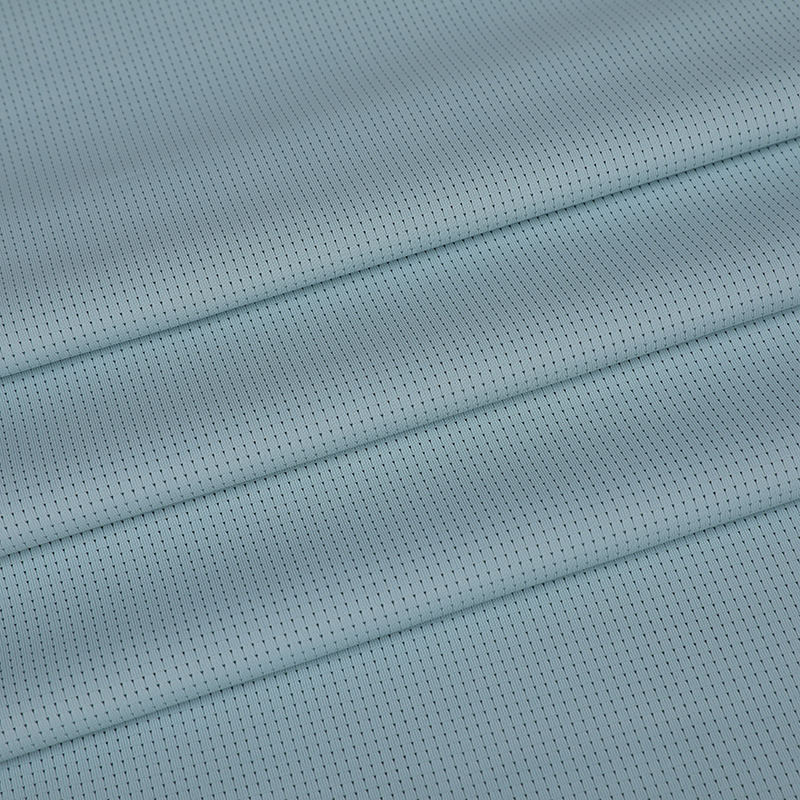
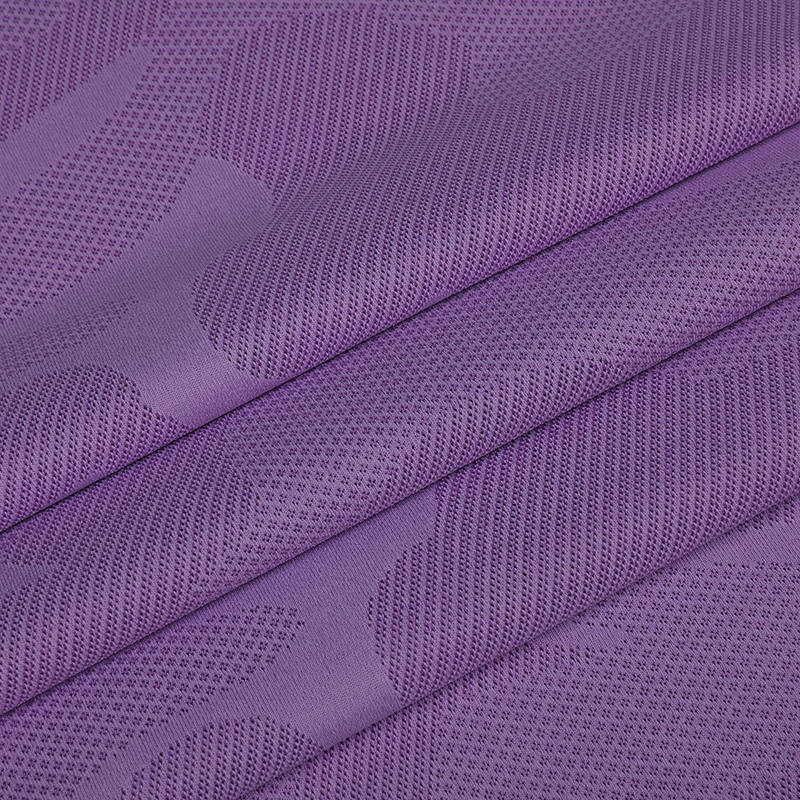
The versatility of warp knitting fabric allows designers to integrate functional zones directly into the textile structure. Through advanced machinery, manufacturers can create open-mesh structures for breathability alongside dense areas for support within the same continuous piece of fabric. This mapped approach is revolutionary for performance apparel, where moisture management and thermal regulation are essential.
In addition to performance, the aesthetic possibilities are vast. Warp knitting can emulate the appearance of lace, net, or even stable woven-like surfaces. This adaptability ensures that the material is not confined to a single niche but is used across intimate apparel, outerwear, and technical linings.
Sustainability and Resource Management
In modern manufacturing, efficiency is synonymous with sustainability. The precision of warp knitting technology reduces the incidence of fabric defects, thereby lowering the volume of rejected material. Additionally, because the fabric is stable enough to be cut with high accuracy, manufacturers can optimize marker layouts to maximize fabric utilization. The reduced energy consumption per kilogram of fabric produced at high speeds further enhances its profile as a resource-efficient choice for global supply chains.
The integration of warp knitting fabric into modern production lines represents a fusion of engineering precision and textile art. As the market continues to demand higher performance and longer-lasting materials, the role of warp knitting in the apparel sector is set to expand even further.
FAQ
1. Why is warp knitting fabric preferred for performance sportswear?
It offers a unique combination of high breathability through mesh-like structures and compression recovery, which supports muscles during movement without losing shape over time.
2. Does warp knitting fabric fray easily?
No, the looping structure of warp knitting makes the fabric highly resistant to fraying and unravelling, which simplifies the edge-finishing process during garment assembly.
3. How does the production cost of warp knitting compare to other methods?
While the initial machine setup is complex, the high-speed output and width capabilities make it extremely cost-effective for large-scale manufacturing runs.
4. Can warp knitting fabric be used for lace-like designs?
Yes, specific warp knitting machinery is designed to produce intricate, lace-like patterns that maintain more structural stability than traditional handmade or weft-knitted lace.
CONTACT US
If you need a quote or have any questions, you can fill out the following form to contact us.

ABOUT
PRODUCT
CONTACT US
-
 West 3rd Floor, Building 5, Zone A, Hangpai Garment Industrial Park, Changan Town, Haining City, Jiaxing City, Zhejiang Province
-
 +886978217318
-
 [email protected]/[email protected]
Copyright © Haining Junrui Textile Co., Ltd. All Rights Reserved.
