


 English
 中文简体
中文简体 Español
 日本語
日本語Submit feedback
 Home / News / Industry News / How Does Weft Knitting Fabric Improve the Fit and Movement of Garments?
Industry News
How Does Weft Knitting Fabric Improve the Fit and Movement of Garments?
2026-05-08
In modern textile engineering, comfort and mobility have become essential requirements for apparel design. Among various fabric constructions, weft knitting fabric plays a critical role in improving how garments fit and move with the human body. Its unique loop-based structure allows greater flexibility, elasticity, and adaptability compared to many traditional woven materials.
Understanding how this fabric works provides valuable insight into why it is widely used in casual wear, sportswear, and body-conforming clothing.
Structure of Weft Knitting Fabric
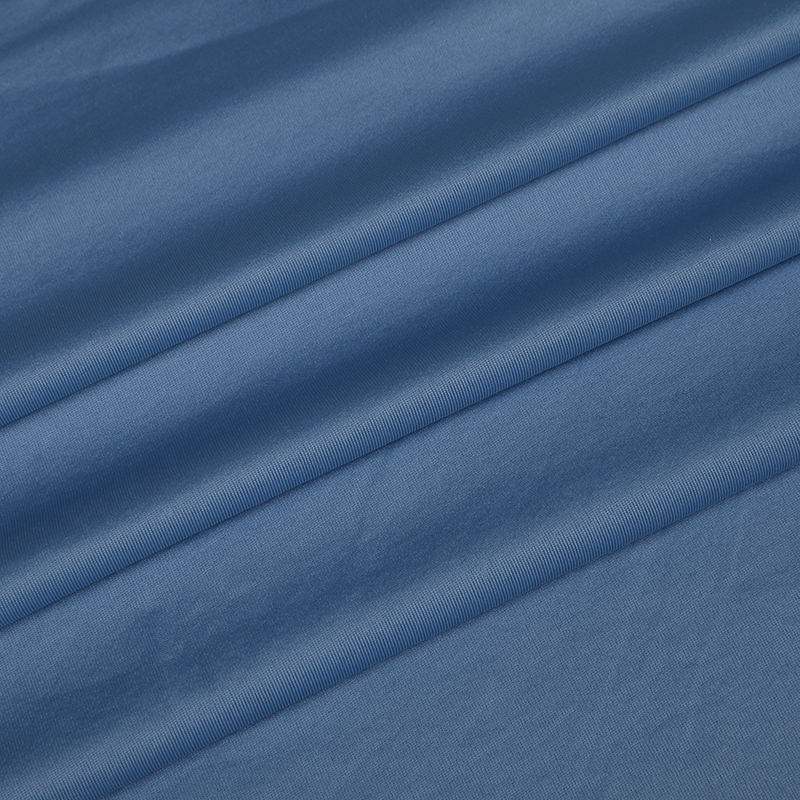
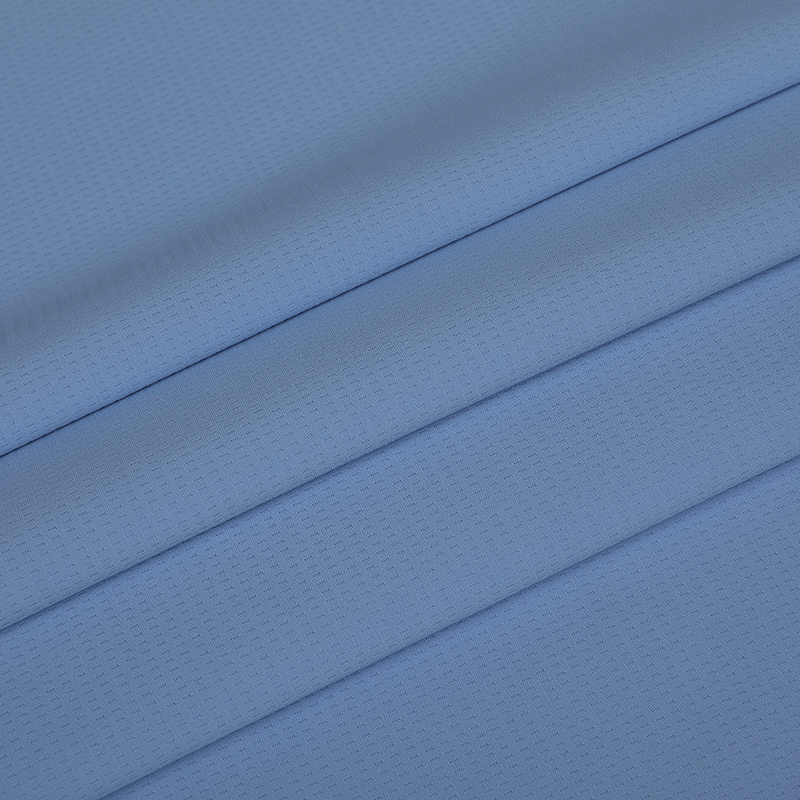
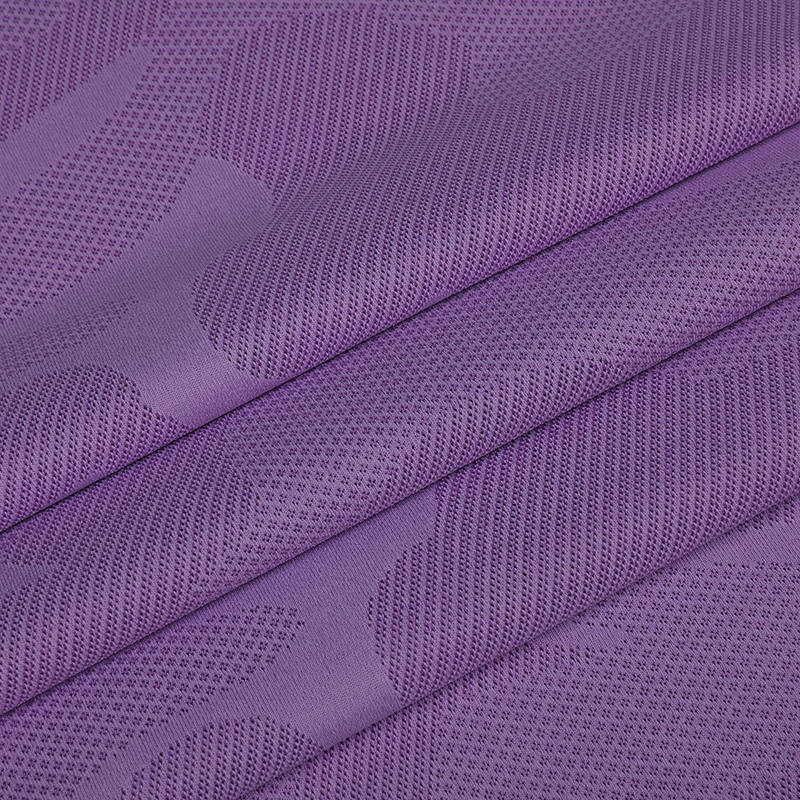
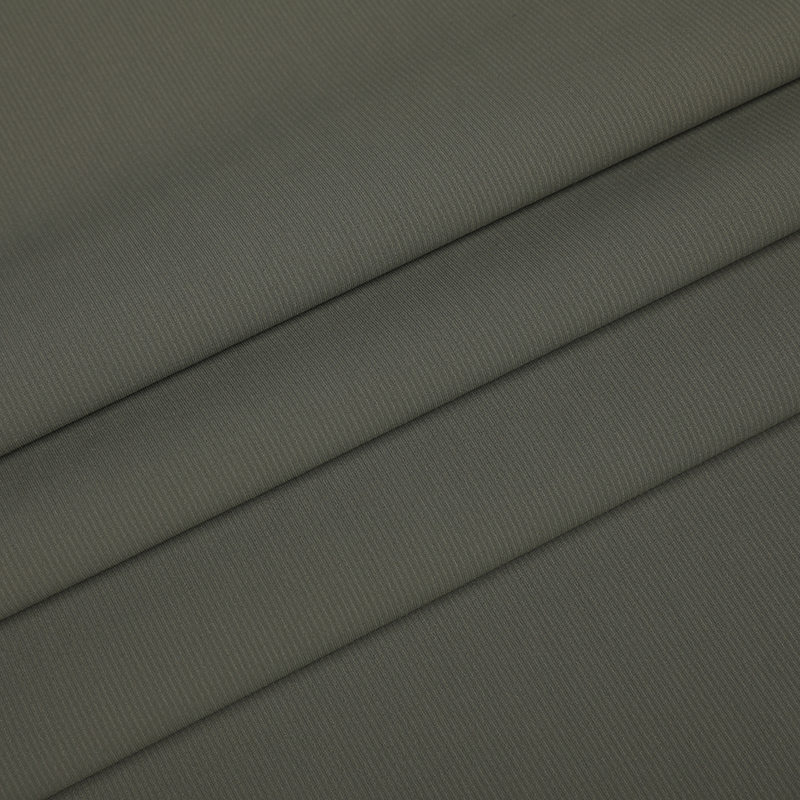
Weft knitting fabric is formed by interlocking loops of yarn in a horizontal direction. Each row of loops is connected to the previous one, creating a flexible and stretchable structure. Unlike woven fabrics, which rely on intersecting warp and weft yarns at fixed angles, weft knitting relies on loop deformation, which allows the fabric to expand and recover easily.
This loop system is the foundation of its performance advantages.
Key Advantages for Garment Fit and Movement
The performance of knitted fabric in apparel is directly linked to its structural behavior. Below are the main benefits that improve garment functionality:
High Elasticity and Stretchability
Weft knitting fabric naturally stretches in multiple directions. This elasticity allows garments to conform closely to body contours without restricting movement. As a result, clothing feels more comfortable during walking, bending, or stretching activities.
Enhanced Comfort and Softness
The looped construction creates small air pockets within the fabric. These spaces contribute to softness and reduce friction against the skin, improving overall wearing comfort.
Better Shape Adaptability
Unlike rigid materials, stretch fabric made through weft knitting can easily adapt to different body shapes. This makes it suitable for fitted garments that require both structure and flexibility.
Improved Recovery Behavior
After being stretched, the fabric tends to return to its original shape. This recovery property helps garments maintain their appearance over time, reducing sagging and deformation.
Breathability and Lightweight Feel
The open-loop structure allows better air circulation, making garments more breathable. This is especially beneficial for activewear and daily clothing worn for extended periods.
Comparison of Fabric Behavior
| Feature | Weft Knitting Fabric | Woven Fabric |
|---|---|---|
| Stretchability | High in multiple directions | Limited |
| Comfort Level | Soft and flexible | More rigid |
| Shape Adaptability | Excellent | Moderate |
| Breathability | High | Medium |
| Movement Support | Very strong | Moderate |
This comparison highlights why weft knitting fabric is preferred in applications requiring flexibility and comfort.
Impact on Modern Garment Design
The use of knitted fabric has transformed how designers approach clothing construction. Instead of focusing only on static shape, modern garments are designed to move with the wearer.
Key design benefits include:
- Reduced need for complex seam structures
- Better integration of ergonomic patterns
- Increased freedom in silhouette design
- Improved performance in dynamic clothing categories
By combining functionality with comfort, weft knitting fabric supports both aesthetic and practical goals in apparel development.
Role in Garment Elasticity and Performance
Garment elasticity is a critical factor in determining how clothing behaves under stress. Weft knitting fabric contributes significantly to this property by allowing controlled expansion and contraction.
This elasticity ensures that garments can:
- Support body movement without resistance
- Maintain fit consistency during use
- Reduce pressure points on joints and muscles
- Improve long-term wearability
As a result, designers can create garments that perform well in both static and dynamic conditions.
Common Application Areas
Due to its flexible nature, weft knitting fabric is widely applied across multiple clothing categories:
- Casual everyday wear
- Sports and active clothing
- Undergarments and base layers
- Fashion garments requiring body fit
- Loungewear and comfort-focused apparel
Each of these categories benefits from the fabric’s ability to combine softness with mobility.
Conclusion
Weft knitting fabric significantly improves garment fit and movement through its loop-based, elastic structure. Its ability to stretch, recover, and adapt makes it an essential material in contemporary clothing design. Combined with its comfort, breathability, and flexibility, it continues to shape the evolution of high-performance and everyday apparel.
By understanding the behavior of knitted fabric, designers and manufacturers can create garments that better align with human motion, comfort expectations, and modern lifestyle demands.
CONTACT US
If you need a quote or have any questions, you can fill out the following form to contact us.

ABOUT
PRODUCT
CONTACT US
-
 West 3rd Floor, Building 5, Zone A, Hangpai Garment Industrial Park, Changan Town, Haining City, Jiaxing City, Zhejiang Province
-
 +886978217318
-
 [email protected]/[email protected]
Copyright © Haining Junrui Textile Co., Ltd. All Rights Reserved.
