


 English
 中文简体
中文简体 Español
 日本語
日本語Submit feedback
 Home / News / Industry News / What Makes Single Side Sportswear Fabric Ideal for Moisture-Wicking and Breathability?
Industry News
What Makes Single Side Sportswear Fabric Ideal for Moisture-Wicking and Breathability?
2026-03-05
In the contemporary sportswear industry, fabric innovation has become a cornerstone for enhancing performance, comfort, and functionality. Among the many material technologies available, single side sportswear fabric has gained notable recognition for its moisture-wicking and breathability characteristics. This specialized sports fabric is designed to provide athletes and active individuals with an optimized balance between comfort, durability, and efficiency during physical activities.
Understanding Single Side Sportswear Fabric
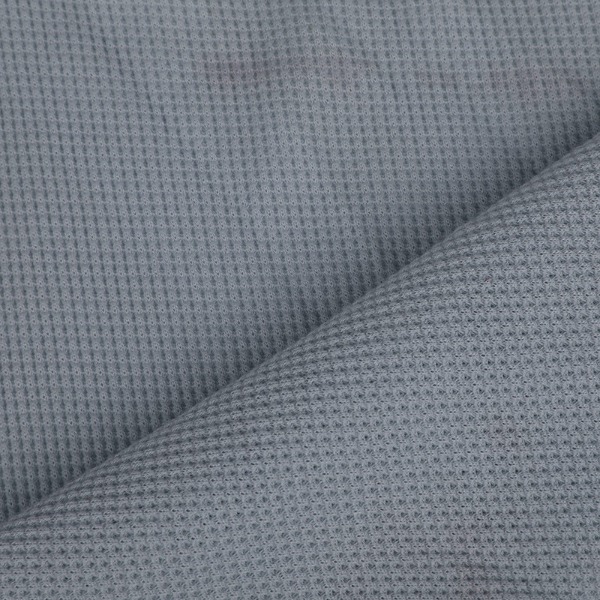
Single side sportswear fabric, as the name suggests, features a dual-textured structure where one side is engineered for moisture management while the opposite side provides skin-friendly softness. The unique construction allows the fabric to actively transport sweat from the inner layer to the outer surface, where it can evaporate rapidly. This dynamic process ensures the wearer remains dry and comfortable even during high-intensity workouts.
Unlike traditional fabrics, single side sportswear fabric often incorporates synthetic fibers such as polyester, nylon, or elastane, which are lightweight and resilient. These fibers contribute to the material’s ability to maintain shape, resist wear, and offer stretch for enhanced mobility. The interplay between fiber composition and weaving techniques ensures airflow, contributing to the fabric’s renowned breathability.
Core Benefits of Single Side Sportswear Fabric
Superior Moisture-Wicking Capabilities
Moisture-wicking refers to a fabric’s ability to pull perspiration away from the skin and disperse it across a wider surface area for quicker evaporation. Single side sportswear fabric achieves this through capillary action facilitated by hydrophobic fibers that guide sweat toward the outer layer. This characteristic reduces skin irritation and prevents the heavy, sticky feeling often associated with sweat accumulation.
Enhanced Breathability
Breathability is a critical factor for comfort and thermal regulation. The porous structure of single side sportswear fabric allows air to circulate freely, aiding in temperature management. This ventilation prevents overheating during rigorous physical activity and helps maintain consistent body temperature, which is vital for endurance and performance.
Lightweight and Stretchable
Single side sportswear fabric is engineered to combine lightweight construction with elasticity. This balance enables athletes to move unrestricted while reducing the overall weight of the apparel. Elasticity ensures a snug yet flexible fit, accommodating various body types and supporting dynamic movements without compromising comfort.
Quick-Drying Performance
Quick-drying properties are another essential feature for sports fabric. The hydrophobic fibers and surface design allow moisture to disperse efficiently, minimizing drying time. This makes single side sportswear fabric particularly suitable for outdoor sports, travel, and multi-session workouts where clothing may need to dry rapidly between uses.
Durability and Maintenance
Despite its lightweight nature, single side sportswear fabric exhibits impressive durability. Its resistance to stretching, shrinkage, and pilling ensures long-lasting performance. Additionally, the fabric’s smooth surface allows for easy maintenance, with single side sportswear fabric suitable for machine washing without loss of quality.
Structural Design and Fabric Construction
The efficiency of single side sportswear fabric lies in its innovative structural design. Typically, the fabric features a knit or woven construction with a distinct dual-surface functionality:
| Layer | Function | Fiber Type | Benefits |
|---|---|---|---|
| Inner Side | Moisture-wicking | Polyester/Nylon | Rapid sweat transport, skin dryness |
| Outer Side | Breathable and soft | Polyester/Spandex blend | Comfort, air circulation, flexibility |
| Overall | Lightweight and stretchable | Elastane-infused | Freedom of movement, shape retention |
This configuration allows manufacturers to target specific functional requirements while keeping the fabric lightweight and versatile. Variations in knitting density, fiber blend, and finishing techniques enable customization for sportswear applications ranging from running apparel to yoga garments.
Applications Across Sportswear Segments
Single side sportswear fabric is versatile, catering to a broad spectrum of athletic apparel:
Running and Jogging Gear – Provides moisture management during high-output cardiovascular activities.
Gym and Fitness Clothing – Enhances flexibility and comfort during strength and resistance training.
Outdoor Sports Apparel – Ensures rapid drying and ventilation under varying weather conditions.
Yoga and Pilates Wear – Offers soft touch and elasticity for body-aligned movements.
Team Sports Uniforms – Keeps players comfortable and dry during extended periods of activity.
The material’s adaptability makes it an essential component for both high-performance and leisure sportswear, emphasizing the need for moisture-wicking and breathability in modern athletic clothing.
Enhancing Fabric Performance Through Technology
Innovations in fiber technology and fabric engineering have significantly advanced the performance of single side sportswear fabric:
- Hydrophobic and Hydrophilic Fiber Blends: The combination of moisture-repelling and moisture-attracting fibers creates an effective moisture transport system.
- Micro-Perforation Techniques: Tiny perforations increase airflow and facilitate rapid evaporation without compromising the fabric’s structural integrity.
- Surface Finishing: Specialized finishes can further enhance softness, reduce friction, and improve stain resistance.
These technologies collectively contribute to the high-performance characteristics that define single side sportswear fabric in contemporary sports apparel.
Sustainability and Environmental Considerations
In addition to functionality, modern sportswear fabrics are increasingly evaluated for environmental impact. Single side sportswear fabric can be engineered with recycled fibers or low-impact synthetic materials, reducing ecological footprint. Furthermore, the durable nature of the fabric extends garment life, supporting sustainable consumption practices. Breathable, quick-drying, and low-maintenance properties also reduce energy and water use during washing, aligning with eco-conscious manufacturing and lifestyle choices.
Practical Considerations for Sportswear Manufacturers
When incorporating single side sportswear fabric into products, manufacturers consider several critical factors:
Fiber Selection: Choosing the right combination of polyester, nylon, and elastane for moisture transport and stretch.
Fabric Weight: Balancing lightness for comfort with sufficient thickness for durability and opacity.
Surface Finish: Applying finishes to enhance softness, reduce odor retention, and improve aesthetic appeal.
Sewing Techniques: Using flatlock seams or stretch-compatible stitching to maintain elasticity and prevent chafing.
By carefully selecting and engineering these parameters, manufacturers can produce garments that fully exploit the advantages of single side sportswear fabric.
Comparative Table of Key Attributes
| Feature | Single Side Sportswear Fabric | Conventional Sports Fabric | Advantage |
|---|---|---|---|
| Moisture-Wicking | High | Medium | Rapid sweat management |
| Breathability | High | Medium | Better ventilation and comfort |
| Elasticity | Medium-High | Medium | Supports dynamic movement |
| Quick-Drying | High | Medium | Shorter drying time |
| Durability | High | Medium | Long-lasting performance |
| Maintenance | Easy | Moderate | Low-effort care |
The comparison highlights the superiority of single side sportswear fabric for applications where moisture control, comfort, and performance are paramount.
Conclusion
Single side sportswear fabric represents a convergence of advanced fiber technology, innovative fabric construction, and user-centric design. Its exceptional moisture-wicking, breathability, and quick-drying capabilities make it indispensable in modern sportswear. Whether for professional athletes or everyday fitness enthusiasts, garments constructed from single side sportswear fabric provide enhanced comfort, flexibility, and performance.
FAQ
Q1: What is single side sportswear fabric used for?
A1: It is primarily used for athletic and activewear, providing moisture-wicking, breathability, and comfort for activities like running, yoga, gym training, and team sports.
Q2: How does single side sportswear fabric manage moisture?
A2: The fabric features hydrophobic fibers and a dual-surface design that transport sweat from the inner side to the outer side, allowing quick evaporation and keeping the skin dry.
Q3: Is single side sportswear fabric suitable for all seasons?
A3: Yes, its breathability and quick-drying properties make it adaptable for both warm and cold-weather activities when layered appropriately.
Q4: Can single side sportswear fabric be machine washed?
A4: Most types are machine washable and maintain performance and durability after multiple washes, though following care instructions is recommended.
Q5: What makes it different from regular sports fabrics?
A5: Single side sportswear fabric offers moisture-wicking, quick-drying, and breathability compared to conventional sports fabrics, while remaining lightweight and elastic for enhanced comfort and performance.

CONTACT US
If you need a quote or have any questions, you can fill out the following form to contact us.

ABOUT
PRODUCT
CONTACT US
-
 West 3rd Floor, Building 5, Zone A, Hangpai Garment Industrial Park, Changan Town, Haining City, Jiaxing City, Zhejiang Province
-
 +886978217318
-
 [email protected]/[email protected]
Copyright © Haining Junrui Textile Co., Ltd. All Rights Reserved.
