


 English
 中文简体
中文简体 Español
 日本語
日本語Submit feedback
 Home / News / Industry News / How Can Single Side Sportswear Fabric Improve the Fit and Comfort of Activewear?
Industry News
How Can Single Side Sportswear Fabric Improve the Fit and Comfort of Activewear?
2026-02-26
Introduction
The activewear market has seen a tremendous surge in recent years, driven by the increasing demand for performance-oriented clothing that blends functionality with comfort. One key material that plays a pivotal role in achieving this balance is single side sportswear fabric. This fabric is designed with specific properties that enhance the fit and comfort of sports clothing, making it a popular choice for various types of activewear, from leggings to sports bras and athletic tops.
What is Single Side Sportswear Fabric?
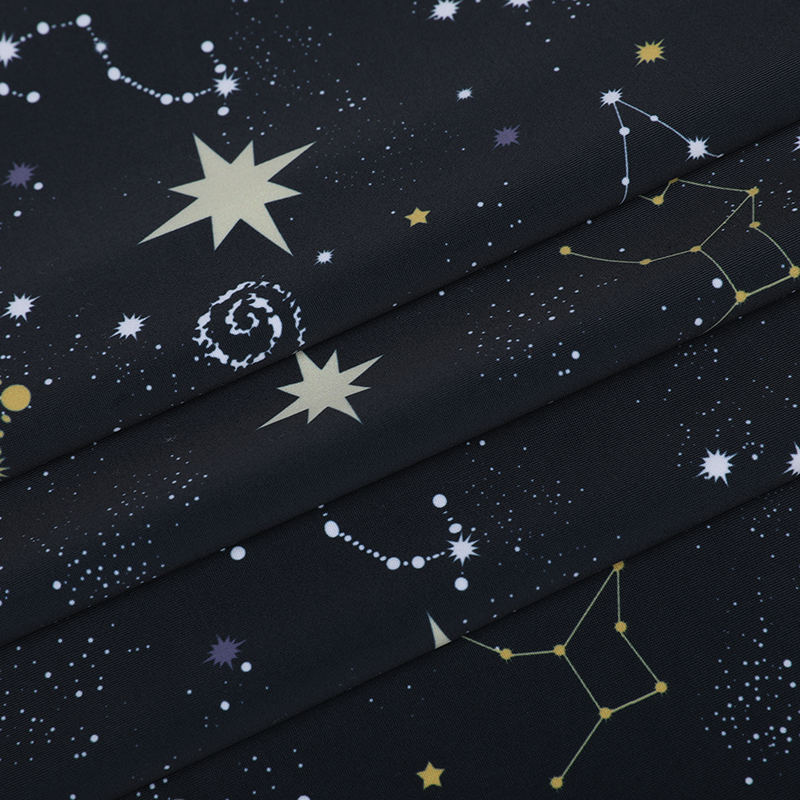
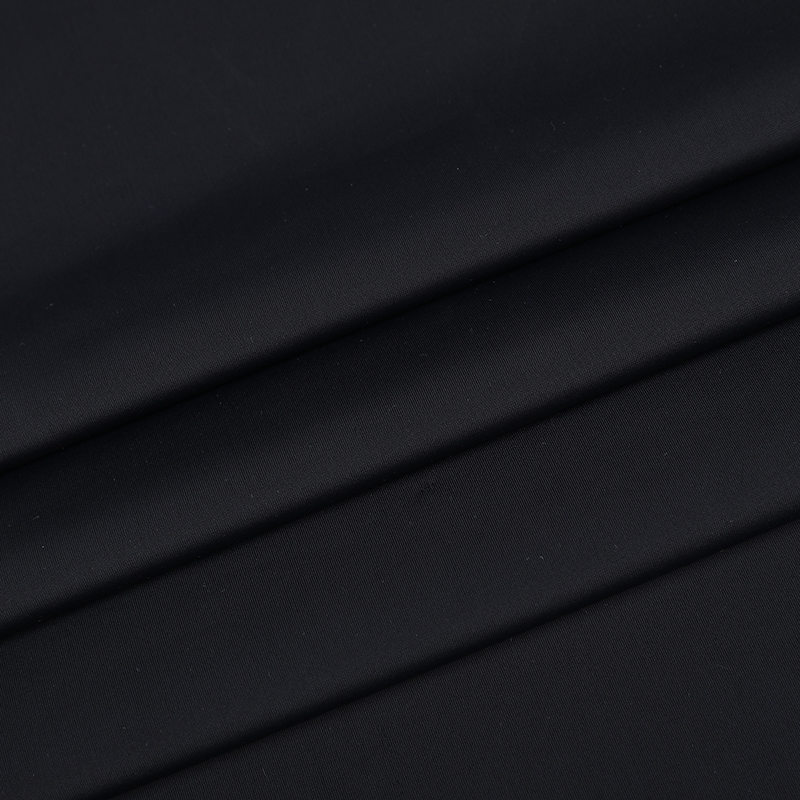
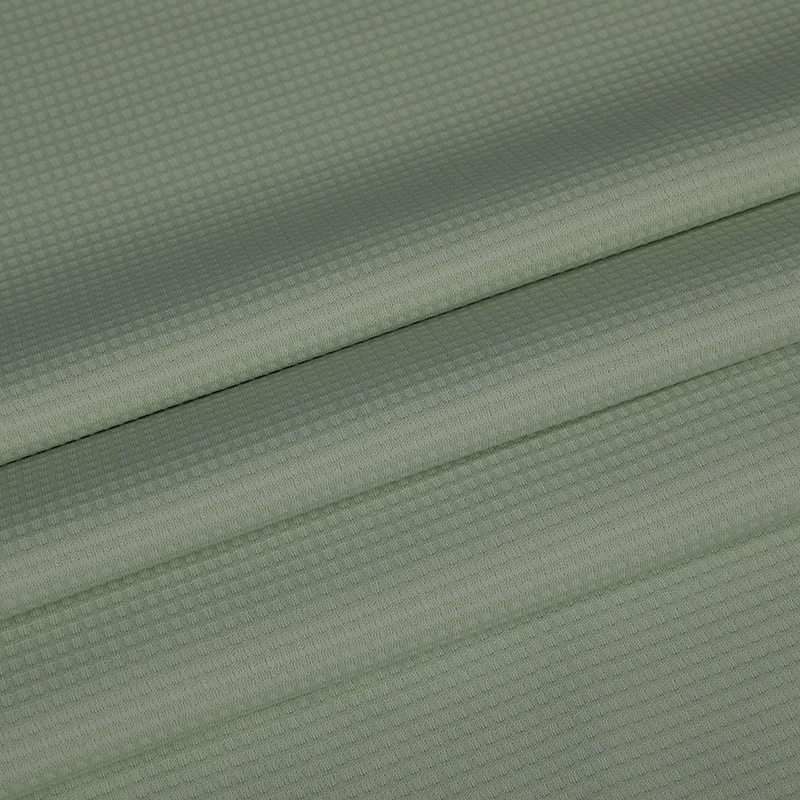
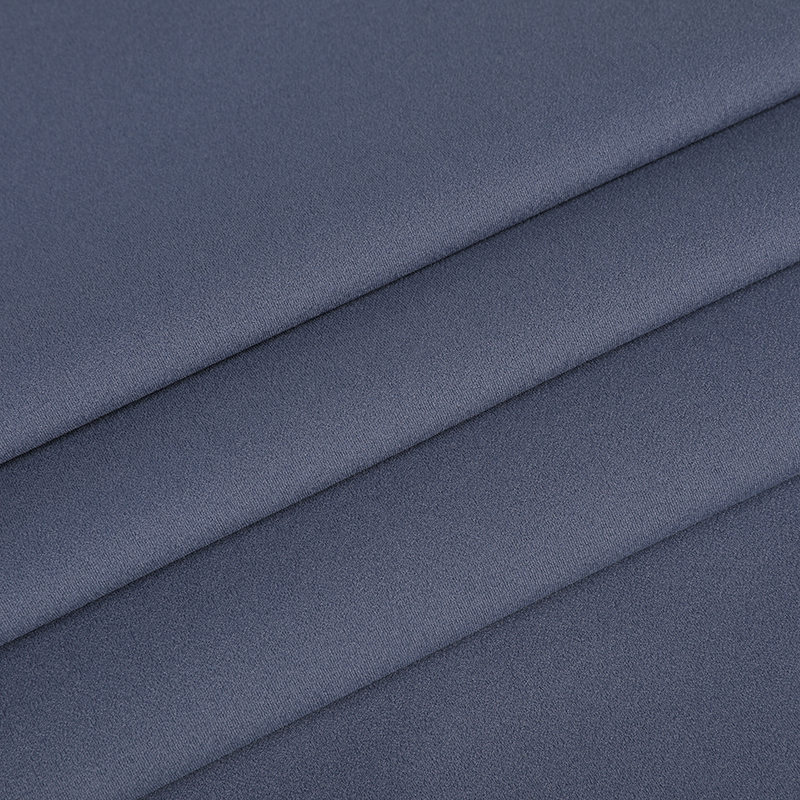
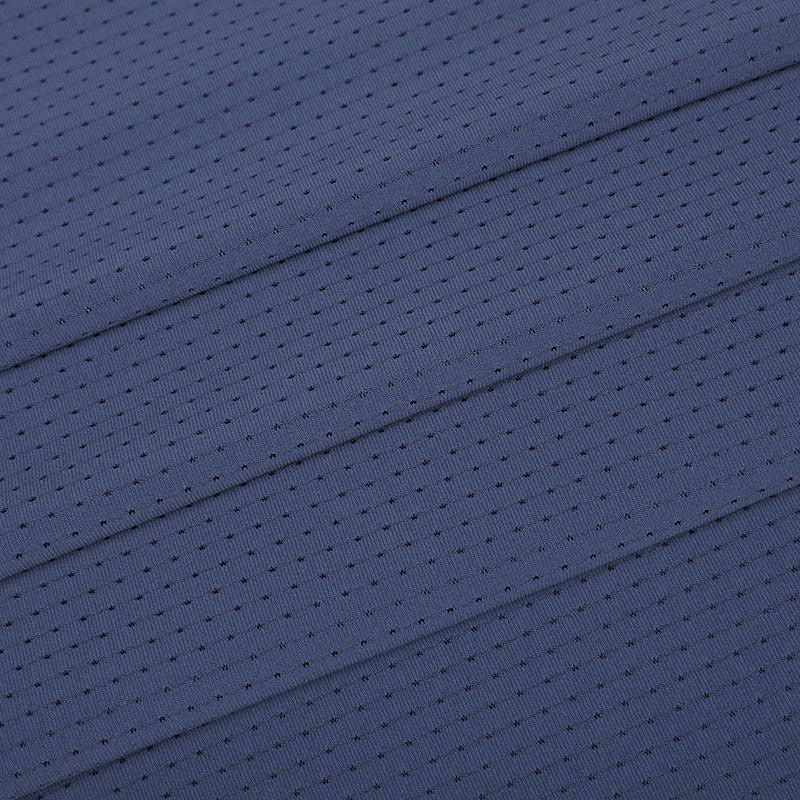
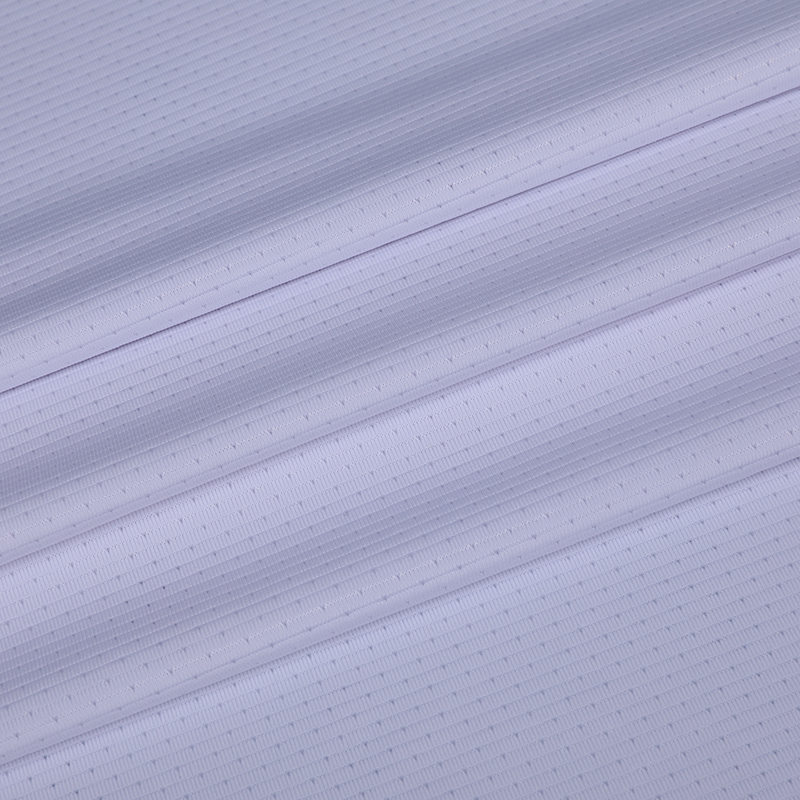
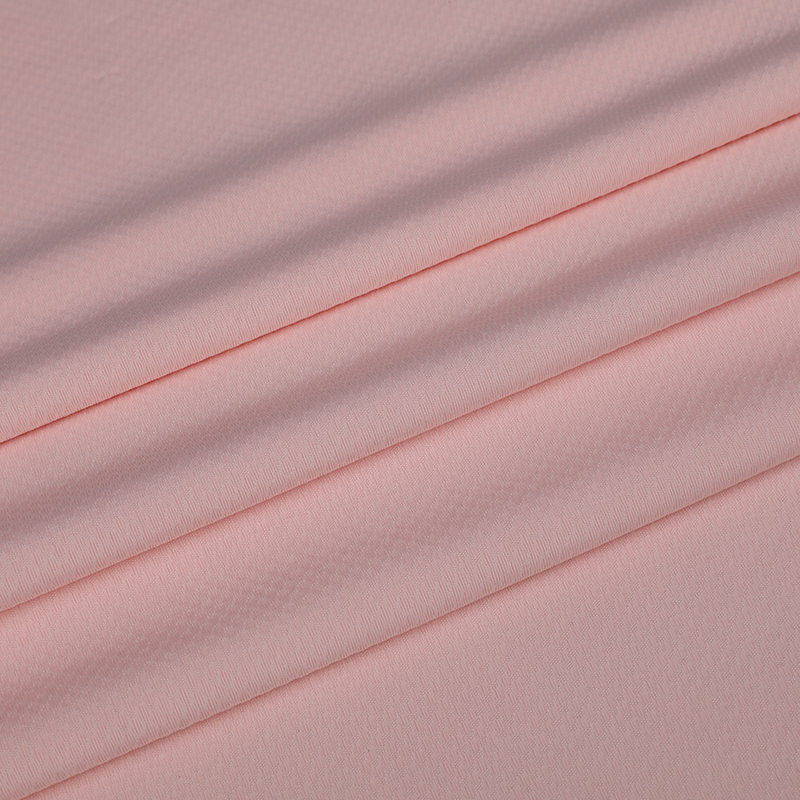
Single side sportswear fabric is a versatile textile material designed primarily for sports and activewear applications. Unlike double-sided fabrics, which have equal texture and finish on both sides, single side sportswear fabric features a distinct design or finish on one side, while the other side remains smoother and more functional. This unique structure offers specific advantages, particularly in terms of moisture-wicking, breathability, and comfort.
Typically made from synthetic fibers such as polyester, spandex, or nylon, single side sportswear fabric is engineered to stretch, support, and move with the body. The fabric is often treated with special coatings or processes to enhance its properties, such as water resistance, UV protection, or antimicrobial treatment.
How Does Single Side Sportswear Fabric Enhance the Fit of Activewear?
Fit is one of the important factors when choosing activewear. Single side sportswear fabric contributes to a fit in several ways:
a) Elasticity and Flexibility
The stretchability of single side sportswear fabric ensures that it moves with the body. This elasticity is crucial for activewear, as it allows the garment to retain its shape while providing freedom of movement. Whether performing high-intensity workouts or engaging in yoga, the fabric’s flexibility ensures that it hugs the body without feeling restrictive.
b) Tailored Structure
The structure of single side sportswear fabric is designed to provide a customized fit. The fabric’s ability to stretch in specific directions allows it to conform to the contours of the body. This means that activewear made from this fabric can offer a more flattering and supportive fit, with garments that are less likely to bunch or ride up during physical activity.
c) Comfortable Seams
Single side sportswear fabrics often feature flat seams or seamless constructions, reducing friction and chafing during wear. This is especially important for activities like running or cycling, where skin irritation can be a significant issue. The smooth side of the fabric, when placed against the skin, minimizes discomfort and promotes a more enjoyable workout experience.
Comfort Benefits of Single Side Sportswear Fabric
In addition to its fit, single side sportswear fabric significantly enhances comfort for athletes and fitness enthusiasts. Here’s how:
a) Moisture-Wicking Properties
One of the key features of high-performance activewear is its ability to wick moisture away from the skin. Single side sportswear fabric is often designed with moisture-wicking capabilities that draw sweat away from the body, keeping the wearer dry and comfortable during intense physical activities. This fabric helps prevent the feeling of heaviness caused by perspiration and reduces the risk of skin irritation or chafing.
b) Breathability and Ventilation
Breathability is another essential aspect of comfort, particularly for athletes engaged in endurance sports. Single side sportswear fabric is engineered with breathable fibers that allow air to flow freely through the garment, preventing overheating. This helps regulate body temperature and ensures that the wearer stays cool even during high-intensity workouts.
c) Soft and Smooth Texture
The side of the fabric designed for direct contact with the skin is typically smooth and soft, offering a gentle feel against the body. This makes it more comfortable to wear for extended periods and ideal for long training sessions, ensuring that the wearer doesn’t experience any discomfort from rough textures or irritating fabrics.
Durability and Performance of Single Side Sportswear Fabric
Durability is a crucial factor when it comes to sportswear. Activewear must withstand constant movement, washing, and exposure to sweat and environmental elements. Single side sportswear fabric provides durability due to the following features:
a) Resilience to Wear and Tear
Sports fabrics like single side sportswear are built to endure the rigors of athletic performance. The fabric’s robust fibers and innovative construction techniques allow it to retain its shape and performance properties over time. Even with frequent washing, the fabric remains intact, resisting fading, shrinking, or losing its stretch.
b) UV Protection
Some variations of single side sportswear fabric are treated with UV-resistant coatings to protect the skin from harmful sun exposure. This is especially important for outdoor sports and activities, where prolonged sun exposure can cause damage to the skin.
c) Anti-Odor and Antimicrobial Properties
Certain treatments applied to single side sportswear fabric provide antimicrobial properties, reducing the buildup of odor-causing bacteria. This keeps the garments fresh for longer periods, which is particularly beneficial for athletes who engage in prolonged training sessions or multi-day events.
Single Side Sportswear Fabric vs. Other Sports Fabrics
When comparing single side sportswear fabric to other types of sports fabrics, such as double-sided fabrics or natural fiber-based fabrics, several key differences emerge:
| Feature | Single Side Sportswear Fabric | Double-Sided Sports Fabric | Natural Fabrics (e.g., Cotton) |
|---|---|---|---|
| Fit | Offers a more tailored, flexible fit | Less flexible, bulkier construction | Less stretch, may lose shape over time |
| Breathability | High, keeps skin cool and dry | Moderate to high | Moderate, may retain moisture |
| Moisture-Wicking | Excellent, moisture is drawn away | Good to moderate | Low, tends to absorb moisture |
| Durability | Highly durable, retains shape | Durable but may wear out faster | Less durable, prone to damage |
| Comfort | Soft, smooth against the skin | Varies by fabric type | Soft but can feel heavy when wet |
| UV Protection | Some variants offer UV protection | Limited UV protection | Limited UV protection |
As shown in the table, single side sportswear fabric outperforms many alternatives in terms of flexibility, moisture-wicking, and durability. While double-sided fabrics may offer some benefits in insulation, they tend to be bulkier and less breathable. Natural fabrics, though comfortable, do not provide the same level of performance as synthetic sports fabrics.
Applications of Single Side Sportswear Fabric
Single side sportswear fabric is ideal for a wide range of activewear applications, including:
- Yoga Pants and Leggings: The fabric’s stretchability and moisture-wicking properties make it for high-mobility activities.
- Sports Bras: Soft and breathable, ensuring comfort during high-impact exercises.
- Running Shorts and Tops: Designed for breathability, offering comfort and temperature regulation during endurance sports.
- Compression Garments: Single side sportswear fabric helps provide the necessary compression while remaining comfortable for prolonged wear.
FAQ
1. What is the difference between single side sportswear fabric and double-sided fabric?
Single side sportswear fabric has one textured side and one smooth side, offering better stretch and moisture-wicking properties. Double-sided fabrics tend to be bulkier and less breathable.
2. Can single side sportswear fabric be used for all types of activewear?
Yes, single side sportswear fabric is versatile and can be used for various activewear, including leggings, sports bras, running tops, and compression garments.
3. Is single side sportswear fabric comfortable for long periods of wear?
Yes, the fabric’s smooth texture and moisture-wicking capabilities make it ideal for extended wear during intense activities.
4. How does single side sportswear fabric compare to natural fibers like cotton?
While cotton is soft, single side sportswear fabric offers better moisture-wicking, breathability, and durability, making it a choice for activewear.
5. Can single side sportswear fabric offer UV protection?
Yes, certain variants of single side sportswear fabric come with UV-resistant treatments to protect against harmful sun exposure.
Conclusion
Single side sportswear fabric plays a crucial role in enhancing the fit, comfort, and performance of activewear. With its moisture-wicking, breathable, and stretchable properties, it provides athletes and fitness enthusiasts with the support they need to perform at their best. Whether it’s for yoga, running, or strength training, this fabric delivers the blend of comfort, durability, and functionality, making it an essential choice for anyone looking to improve their activewear collection.

CONTACT US
If you need a quote or have any questions, you can fill out the following form to contact us.

ABOUT
PRODUCT
CONTACT US
-
 West 3rd Floor, Building 5, Zone A, Hangpai Garment Industrial Park, Changan Town, Haining City, Jiaxing City, Zhejiang Province
-
 +886978217318
-
 [email protected]/[email protected]
Copyright © Haining Junrui Textile Co., Ltd. All Rights Reserved.
