


 English
 中文简体
中文简体 Español
 日本語
日本語Submit feedback
 Home / News / Industry News / What Is Tricot Fabric and How Is It Different from Other Knitted Fabrics?
Industry News
What Is Tricot Fabric and How Is It Different from Other Knitted Fabrics?
2026-03-13
Introduction
When it comes to textiles, understanding the various types of fabric is essential for both manufacturers and consumers. Tricot fabric is a unique and versatile material that often gets overshadowed by more commonly known fabrics like cotton, polyester, or wool. However, tricot fabric has distinctive features that set it apart from other knitted fabrics.
What Is Tricot Fabric?
Tricot fabric is a type of warp-knit fabric that is produced by weaving the yarns in a series of vertical loops. The key feature of tricot fabric is that it’s created with a special knitting technique, known as the warp knitting method, which sets it apart from other common knitted fabrics. Unlike weft-knitted fabrics that stretch in multiple directions, tricot fabrics tend to be more stable, with limited stretch in one direction.
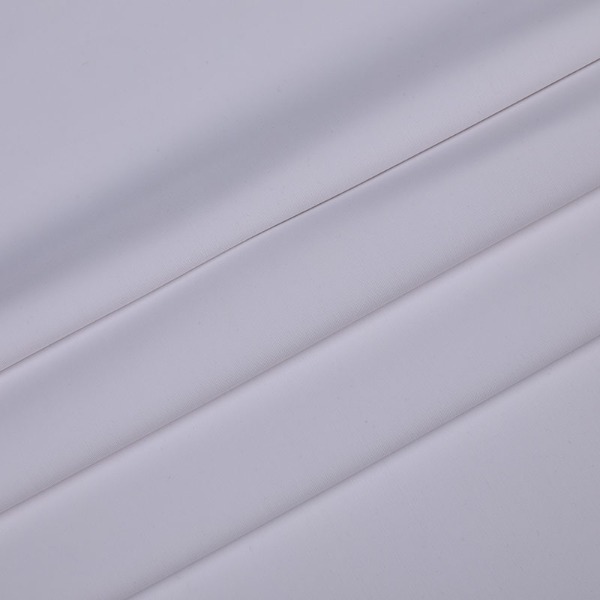
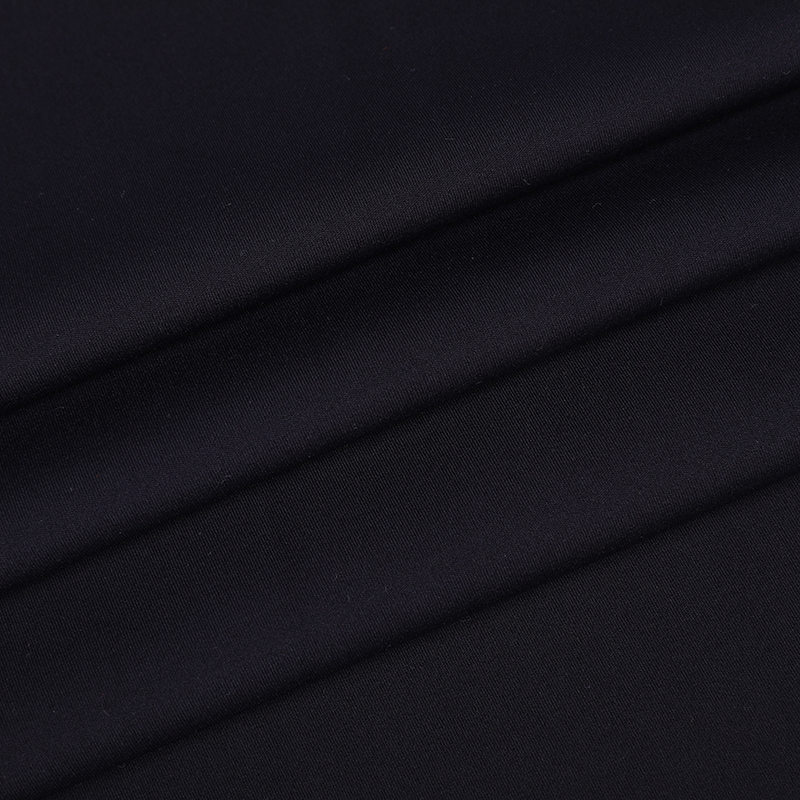
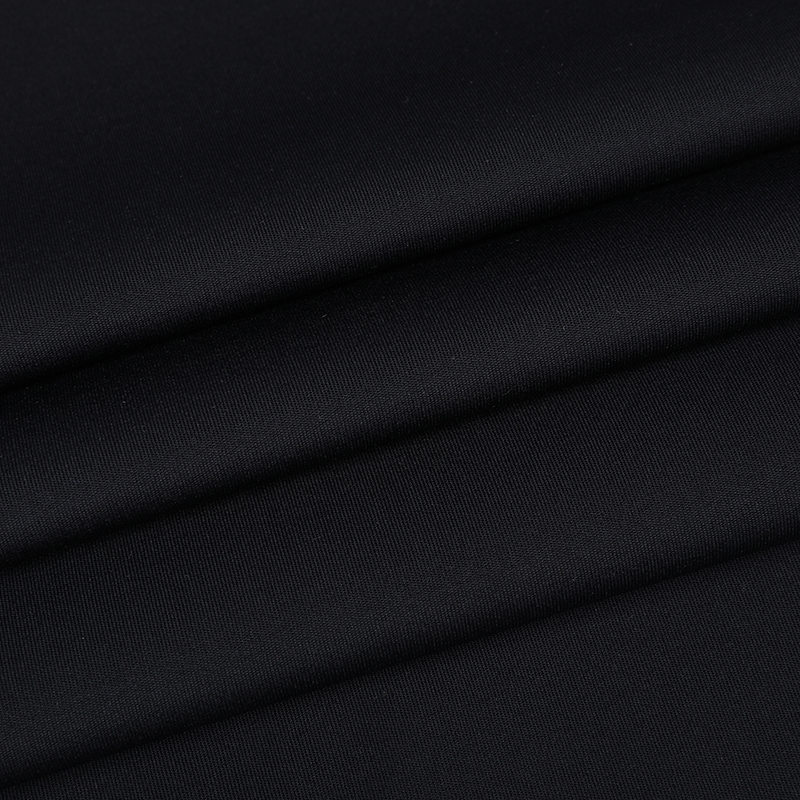
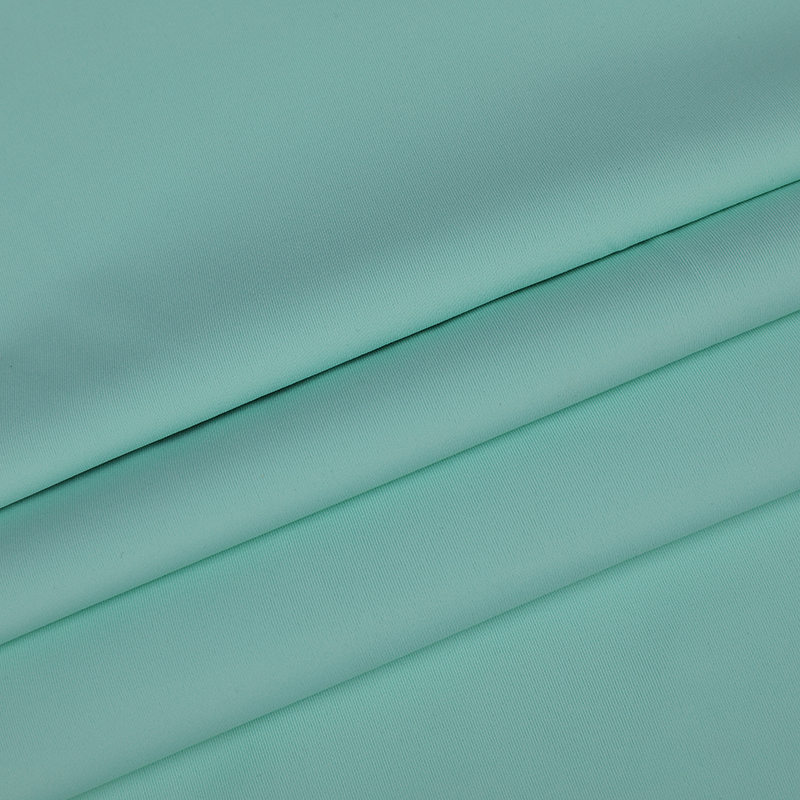
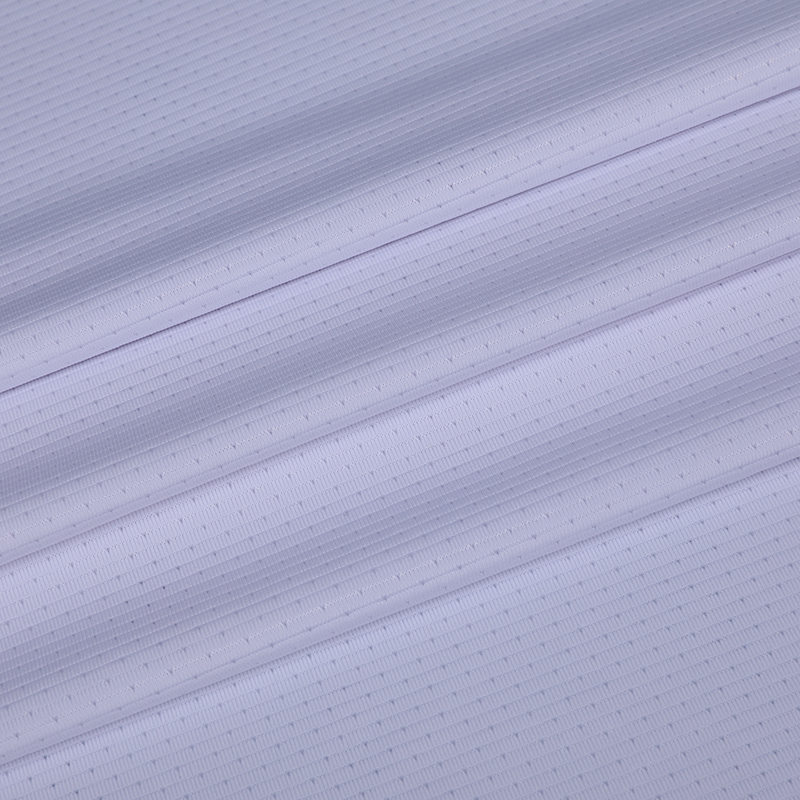
The fabric has a smooth, almost silky texture, which makes it a popular choice in applications requiring soft, flexible, and durable material. Tricot fabric is commonly used in the production of undergarments, athletic wear, lingerie, and activewear due to its smooth surface and stretchability.
The Composition of Tricot Fabric
Tricot fabric can be made from various fibers, including synthetic materials like nylon, polyester, and spandex, or natural fibers like cotton and wool. The choice of fiber influences the fabric’s texture, durability, and stretchability. Polyester and nylon are the common fibers used in tricot fabrics, as they provide a high level of flexibility and durability while maintaining a soft feel.
How Is Tricot Fabric Made?
The production of tricot fabric involves the use of a specialized warp knitting machine, where the yarns are knitted in a zig-zag pattern. This method allows for a finer and smoother texture compared to weft knitting. During the production process, the machine produces vertical loops along the fabric’s length, which gives tricot its signature smooth finish on one side, while the reverse side may feature a subtle texture.
The knitting technique used in tricot fabric ensures that the material is stable and won’t stretch excessively, offering greater durability. Unlike other types of knit fabrics, which can have a lot of give in both directions, tricot’s stretch is primarily along its width, which makes it more shape-retentive.
Differences Between Tricot Fabric and Other Knitted Fabrics
Tricot fabric stands out from other knitted fabrics because of the unique way it’s constructed. Below, we’ll compare tricot fabric with some other popular knitted fabrics to highlight the differences:
| Fabric Type | Construction | Stretch | Texture | Common Uses |
|---|---|---|---|---|
| Tricot Fabric | Warp-knit, vertical loops | Limited stretch (one direction) | Smooth, silky | Lingerie, activewear, sportswear |
| Jersey Knit | Weft-knit, horizontal loops | Stretch in all directions | Soft, flexible | T-shirts, dresses, casual wear |
| Interlock Knit | Double-knit, two sets of yarns | Stretch in all directions | Thick, firm | Sportswear, baby clothing, casual wear |
| Rib Knit | Weft-knit, vertical ribs | Stretch in all directions | Textured, firm | Sweaters, cuffs, collars |
Key Features of Tricot Fabric
Smooth Surface: Tricot fabric has a smooth surface, which makes it ideal for garments that require a soft, silky feel against the skin. This is one reason why it is often used in lingerie and sportswear.
Durability: Due to its unique construction, tricot fabric is durable and resists wear and tear better than other types of knitted fabrics. It holds its shape well and does not lose its elasticity quickly.
Stretchability: Tricot fabric has limited stretch, especially in the length direction. This gives it a more controlled fit, making it suitable for items that require a more structured form, like swimsuits and athletic wear.
Moisture-Wicking Properties: Tricot fabric is often made from synthetic fibers like polyester and nylon, which have moisture-wicking properties. This makes it a popular choice for athletic wear as it helps keep the skin dry during exercise.
Applications of Tricot Fabric
Tricot fabric is highly versatile, making it a popular choice in various industries. Below are some common applications:
-
Undergarments and Lingerie: Tricot fabric’s smooth texture and stretchability make it for creating comfortable and form-fitting undergarments.
-
Activewear and Sportswear: Due to its moisture-wicking properties, tricot fabric is frequently used in the production of athletic wear, including leggings, sports bras, and swimsuits.
-
Sleepwear: The soft feel of tricot fabric makes it an ideal choice for sleepwear, including nightgowns and pajamas.
-
Shapewear: Tricot fabric is commonly used in shapewear as it provides a smooth and supportive fit while remaining comfortable.
How Tricot Fabric Differs from Jersey and Interlock Fabrics
While both jersey and interlock fabrics are popular knitted fabrics, they differ significantly from tricot. As noted earlier, tricot fabric is made using warp knitting, which provides stability and structure. In contrast, jersey and interlock fabrics are produced using the weft-knitting method, which results in a fabric with more stretch in both directions.
Jersey fabric is softer and more flexible, making it ideal for casual wear like T-shirts and dresses. Interlock fabric, on the other hand, is thicker and more substantial than jersey, making it suitable for items that require a bit more structure, such as leggings and baby clothing. Tricot fabric, while not as stretchy as jersey or interlock, is known for its smooth finish and is for garments that require a sleek, form-fitting look.
Advantages of Using Tricot Fabric
Enhanced Comfort: The smooth and soft texture of tricot fabric makes it incredibly comfortable to wear, especially in garments that are worn close to the skin.
Shape Retention: Tricot fabric retains its shape better than many other knitted fabrics, making it ideal for use in structured garments that require a precise fit.
Lightweight: Despite its durability, tricot fabric is lightweight, making it a comfortable option for activewear and undergarments.
Low Maintenance: Tricot fabric is easy to care for and generally resistant to wrinkles, meaning garments made from tricot require less ironing and maintenance.
FAQ
1. Is tricot fabric stretchy?
Tricot fabric has limited stretch, mainly along its width. It’s less stretchy than fabrics like jersey or interlock but still offers flexibility for a comfortable fit.
2. Can tricot fabric be used for activewear?
Yes, tricot fabric is commonly used in activewear due to its moisture-wicking properties and comfortable, form-fitting nature.
3. How does tricot fabric compare to jersey fabric?
Tricot fabric is smoother and more structured compared to jersey fabric, which is softer and more flexible. Tricot is also made with a different knitting method (warp knitting) than jersey (weft knitting).
4. Is tricot fabric suitable for undergarments?
Yes, tricot fabric is often used in the production of lingerie and undergarments due to its smooth texture and comfortable fit.
5. How should I care for tricot fabric garments?
Tricot fabric is easy to care for and typically resistant to wrinkles. It can be machine washed and dried, though it’s to follow the manufacturer’s care instructions to ensure longevity.
CONTACT US
If you need a quote or have any questions, you can fill out the following form to contact us.

ABOUT
PRODUCT
CONTACT US
-
 West 3rd Floor, Building 5, Zone A, Hangpai Garment Industrial Park, Changan Town, Haining City, Jiaxing City, Zhejiang Province
-
 +886978217318
-
 [email protected]/[email protected]
Copyright © Haining Junrui Textile Co., Ltd. All Rights Reserved.
