


 English
 中文简体
中文简体 Español
 日本語
日本語Submit feedback


Industry News
How Is Weft Knitting Fabric Used in Activewear and Sportswear?
2025-12-11
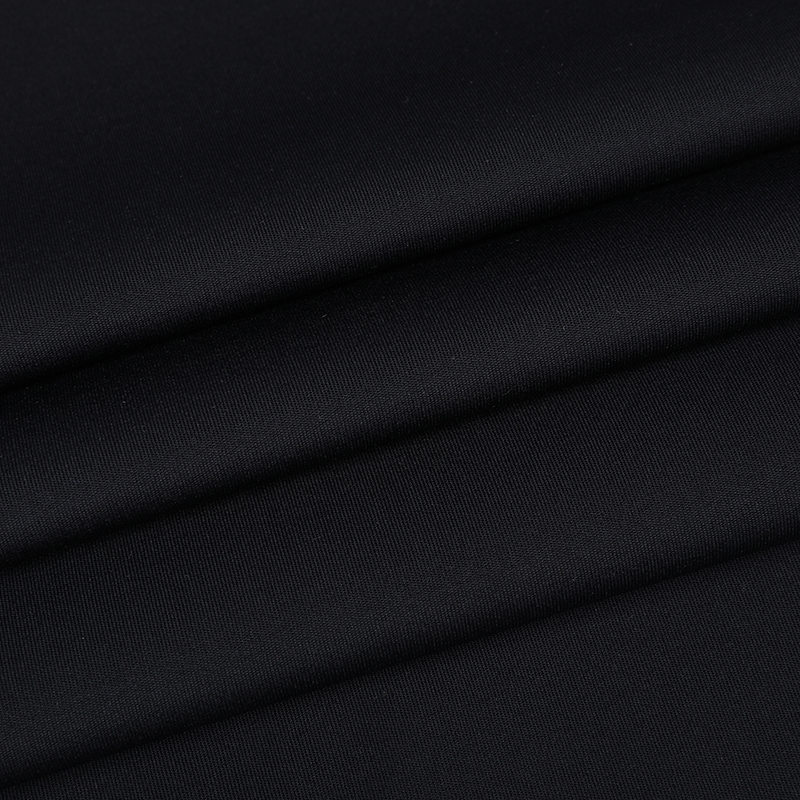
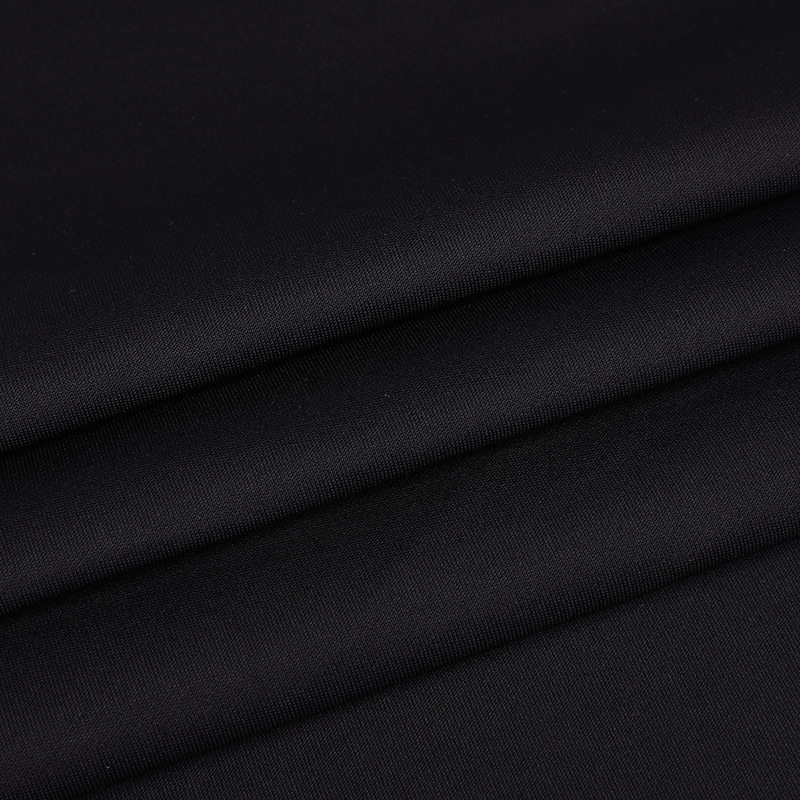
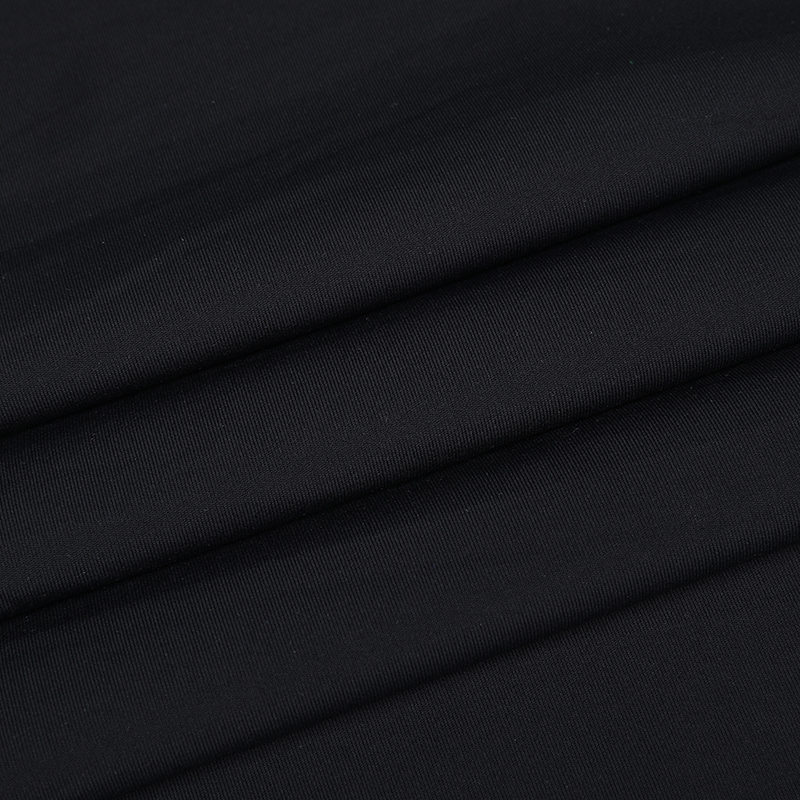
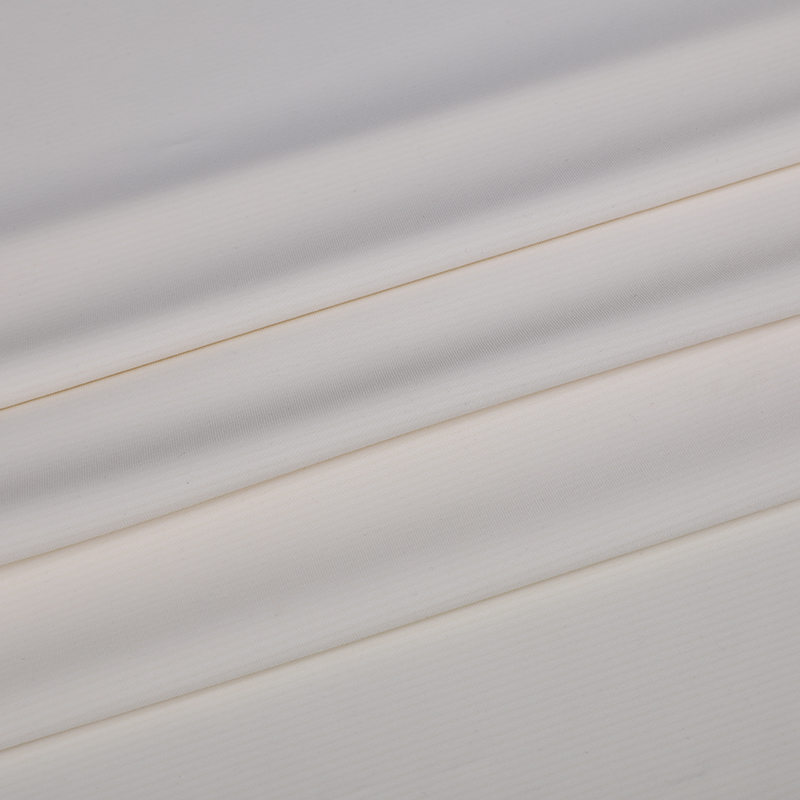
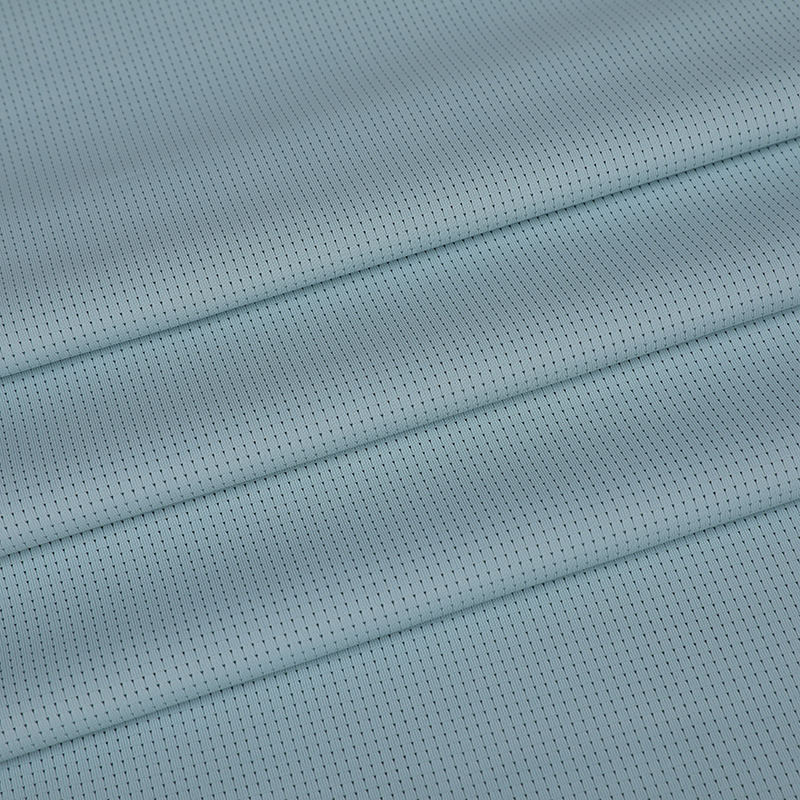
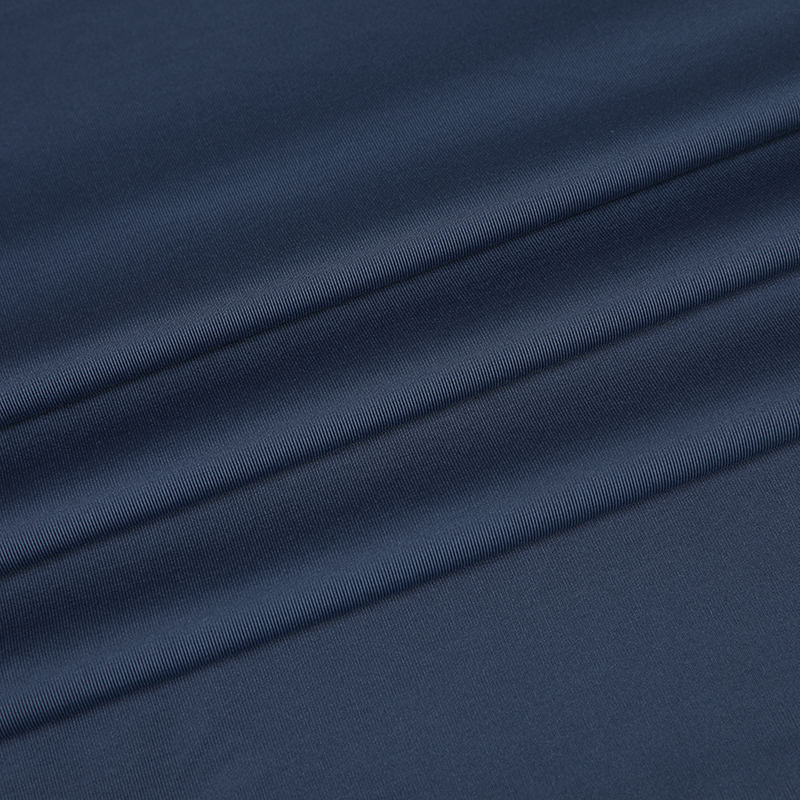
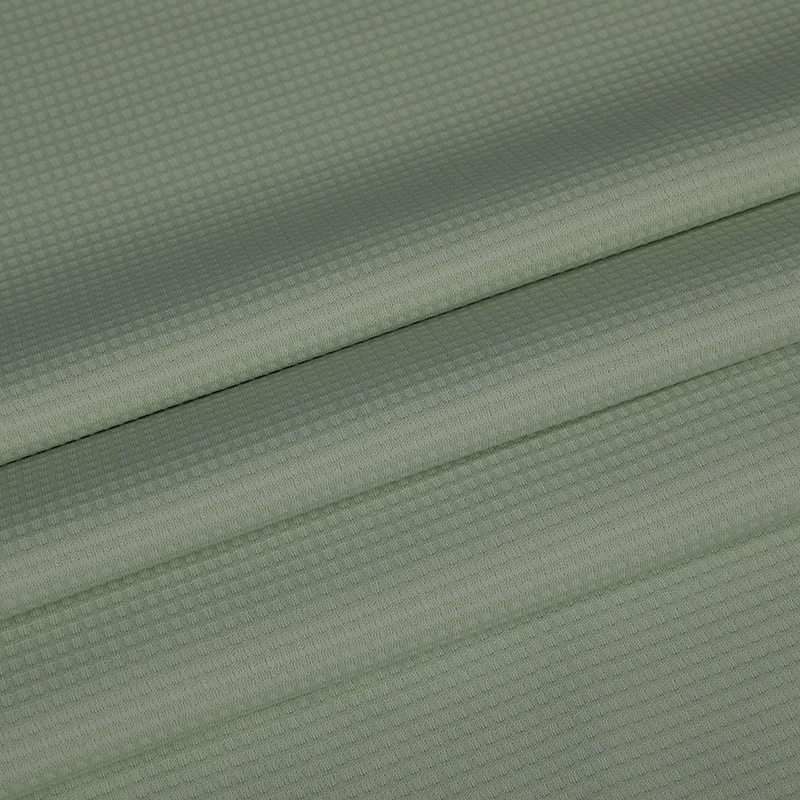
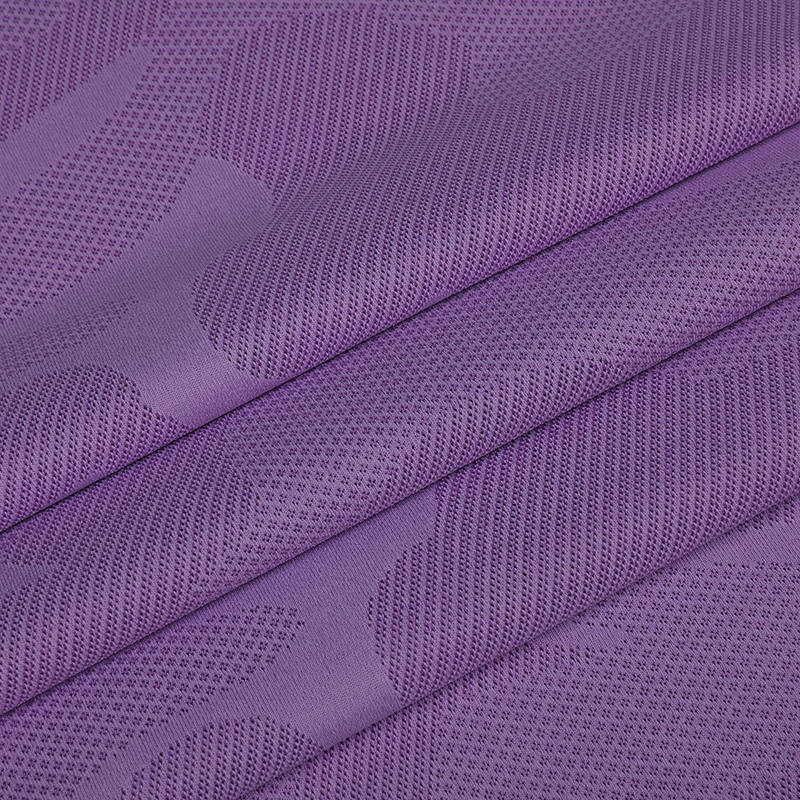
Weft knitting fabric has increasingly become a popular choice in the design and manufacture of activewear and sportswear due to its unique properties. The stretchability, comfort, and moisture-wicking abilities of this fabric make it an ideal solution for clothing intended for physical activities.
Introduction to Weft Knitting Fabric
Weft knitting is a method where yarns are knitted horizontally, forming a fabric that is highly stretchable and durable. Unlike warp knitting, where yarns are interlaced vertically, weft knitting allows for the creation of flexible, elastic materials. This feature is especially useful in the production of activewear and sportswear, where mobility and comfort are key requirements. The process involves a range of yarns, including synthetic fibers like polyester, nylon, and elastane, which contribute to the fabric’s functional attributes.
Weft knitting fabric is known for its ability to retain shape, resist deformation, and offer elasticity. These characteristics, along with its moisture-wicking capabilities, make it a preferred choice for garments designed for high-intensity physical activities.
Properties of Weft Knitting Fabric
-
Elasticity and Comfort
Weft knitting fabric offers exceptional stretch and flexibility, making it comfortable to wear during intense physical activities. The fabric moves with the body, reducing friction and enhancing freedom of movement. This is particularly important in sports and fitness clothing, where unrestricted motion is essential. -
Breathability and Moisture-Wicking
Activewear and sportswear require fabrics that can manage moisture and promote ventilation. Weft knitting fabric excels in this area by allowing air to circulate through the fibers, keeping the wearer cool and dry. The moisture-wicking properties of the fabric help to pull sweat away from the skin, preventing discomfort during physical exertion. -
Durability and Strength
The durability of weft knitting fabric is another key reason for its popularity in activewear. The fabric is resilient to wear and tear, making it ideal for items that are subjected to frequent use and rigorous movement, such as gym wear, leggings, and sports bras. -
Soft Texture
Despite its durability, weft knitting fabric is often soft to the touch, providing a comfortable experience for the wearer. This tactile quality makes it suitable for close-fitting garments such as tights and base layers. -
Shape Retention
Weft knitting fabrics retain their shape over time, which means that activewear garments made from this material won’t lose their fit, even after repeated washing or extended use. This makes weft knitting a popular choice for sportswear brands aiming to maintain garment longevity.
Weft Knitting Fabric in Activewear
Activewear refers to clothing designed specifically for exercise, fitness activities, or sports. The primary characteristics of activewear include comfort, breathability, stretch, and moisture control. Weft knitting fabric has proven to be a top choice for activewear garments because it checks all these boxes. The fabric’s stretch and recovery make it suitable for body-hugging designs like leggings and sports bras, which need to conform to the wearer’s body without compromising on comfort.
Common Activewear Products Made from Weft Knitting Fabric:
-
Leggings and Tights: Weft knitted fabric provides the balance between stretch, support, and comfort, making it ideal for leggings and tights. These garments require both flexibility and the ability to maintain their shape throughout intense activities.
-
Sports Bras: Weft knitting allows for a high degree of elasticity, making it a common choice for sports bras, which need to offer both support and comfort. The fabric’s moisture-wicking properties ensure that the skin remains dry, reducing the risk of chafing.
-
Workout Tops: Whether it’s tank tops, short-sleeve shirts, or long-sleeve compression shirts, weft knitting fabric offers the ideal combination of stretch and breathability, ensuring that workout tops are comfortable and practical during exercise.
Weft Knitting Fabric in Sportswear
Sportswear encompasses a wide range of garments, from team uniforms to specialized gear for particular sports. Like activewear, sportswear demands fabrics that offer stretch, breathability, and moisture-wicking properties, but it also requires higher levels of durability and performance.
Key Applications of Weft Knitting in Sportswear:
-
Performance Jerseys: Weft knitted fabric is often used for jerseys due to its lightweight nature and stretchability. This ensures that players can move freely while also benefiting from moisture management during high-energy activities.
-
Compression Garments: Compression wear, such as tights and shirts, is designed to improve circulation and support muscle performance. Weft knitting fabric provides the necessary stretch to maintain a tight fit while offering comfort and flexibility.
-
Base Layers: Weft knitted fabric is an choice for base layers, providing comfort and temperature regulation. The fabric’s breathability allows the wearer to stay dry, while its elasticity ensures a snug fit that aids in performance.
-
Outdoor Gear: Sports such as hiking, cycling, and running require specialized gear that is both lightweight and durable. Weft knitting fabric is used in many outdoor sports garments to provide flexibility, moisture management, and comfort in a range of conditions.
Advantages of Weft Knitting Fabric Over Other Fabrics
When compared to woven fabrics or other types of knitted materials, weft knitting stands out in several areas. It is more flexible and elastic, making it ideal for garments that require a high degree of stretch. Additionally, the fabric’s ability to retain shape ensures that the garments maintain their fit over time. Unlike woven fabrics, which may lack the flexibility needed for sports and activewear, weft knitting offers a high level of comfort without compromising on strength.
Another key advantage is the speed at which weft knitted fabrics can be produced, making it a cost-effective option for manufacturers looking to mass-produce high-performance sportswear and activewear garments.
Selecting Weft Knitting Fabric for Activewear and Sportswear
When choosing weft knitting fabric for activewear or sportswear, it is important to consider several factors:
-
Fiber Composition: The fiber content of the fabric plays a significant role in its performance. Synthetic fibers like polyester, nylon, and elastane are commonly used in weft knitting fabric for their stretch and moisture-wicking properties.
-
Fabric Weight: The weight of the fabric affects its overall feel and performance. Lightweight fabrics are suitable for garments like sports bras and performance jerseys, while heavier fabrics may be better for outerwear or compression garments.
-
Breathability and Moisture-Wicking: As moisture management is crucial in activewear, selecting a fabric with breathability and moisture-wicking properties is essential for comfort and performance.
-
Durability: Sportswear is subject to frequent use, so durability is key. Opt for weft knitting fabrics that are designed to withstand wear and tear without losing their stretch or shape.
FAQ
1. What makes weft knitting fabric suitable for activewear and sportswear?
Weft knitting fabric is ideal for activewear and sportswear due to its stretch, comfort, breathability, and moisture-wicking properties. These characteristics make it for garments that require flexibility and durability during physical activities.
2. Is weft knitting fabric more breathable than other fabrics?
Yes, weft knitting fabric is highly breathable due to its knitted structure, which allows air to circulate through the fabric, keeping the wearer cool and dry during exercise.
3. How does weft knitting compare to woven fabrics for sportswear?
Weft knitting fabric is more flexible and elastic than woven fabrics, making it better suited for activewear and sportswear. It also retains its shape and provides greater comfort during movement.
4. Can weft knitting fabric be used for compression garments?
Yes, weft knitting fabric is commonly used for compression garments as it offers the necessary elasticity and stretch to provide a tight, supportive fit.
5. How do I choose the right weft knitting fabric for my sportswear line?
When selecting weft knitting fabric, consider factors such as fiber composition, fabric weight, breathability, moisture-wicking properties, and durability. Choose a fabric that aligns with the specific performance needs of the intended garment.
CONTACT US
If you need a quote or have any questions, you can fill out the following form to contact us.

ABOUT
PRODUCT
CONTACT US
-
 West 3rd Floor, Building 5, Zone A, Hangpai Garment Industrial Park, Changan Town, Haining City, Jiaxing City, Zhejiang Province
-
 +886978217318
-
 [email protected]/[email protected]
Copyright © Haining Junrui Textile Co., Ltd. All Rights Reserved.
