


 English
 中文简体
中文简体 Español
 日本語
日本語Submit feedback
 Home / News / Industry News / How Does Tricot Fabric Compare to Other Stretch Fabrics in Terms of Performance?
Industry News
How Does Tricot Fabric Compare to Other Stretch Fabrics in Terms of Performance?
2025-12-18
Introduction
In the world of textiles, various fabrics serve different purposes based on their performance attributes, such as stretch, durability, comfort, and appearance. Tricot fabric, a type of knit fabric, has gained significant attention for its unique characteristics, especially its stretch and smooth finish.
What is Tricot Fabric?
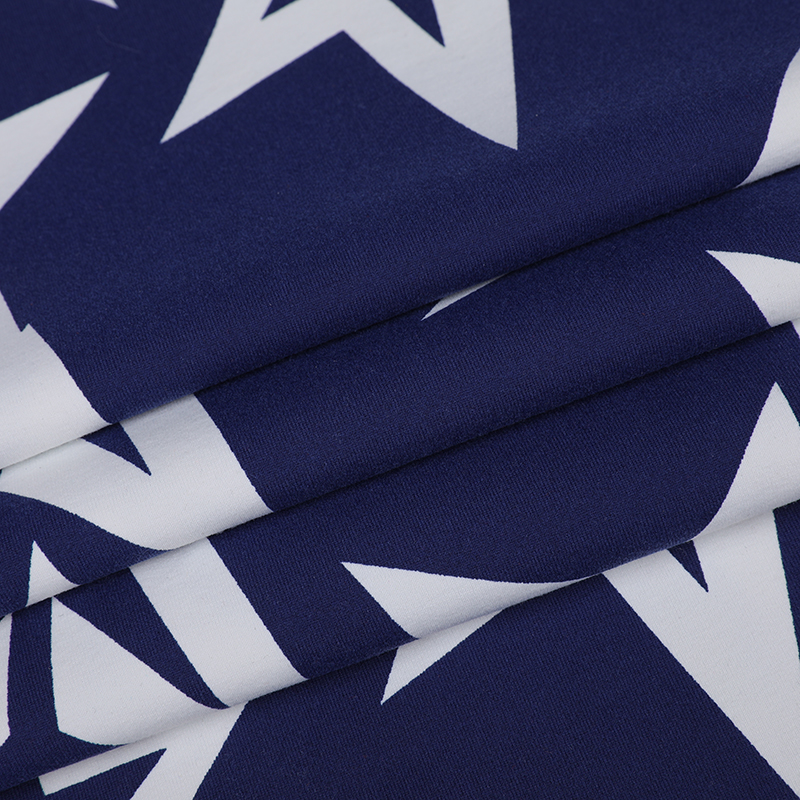
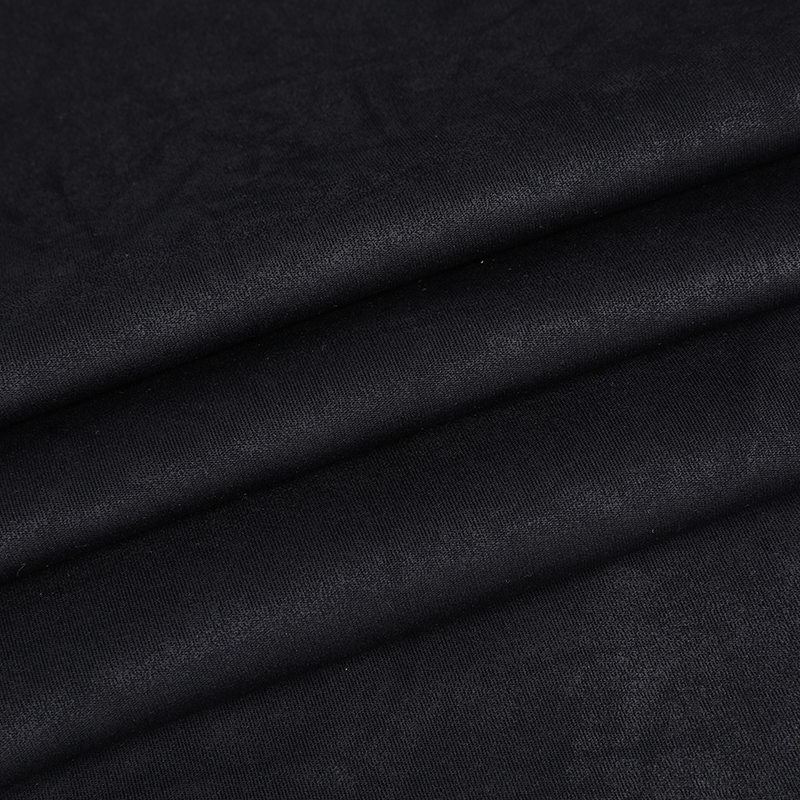
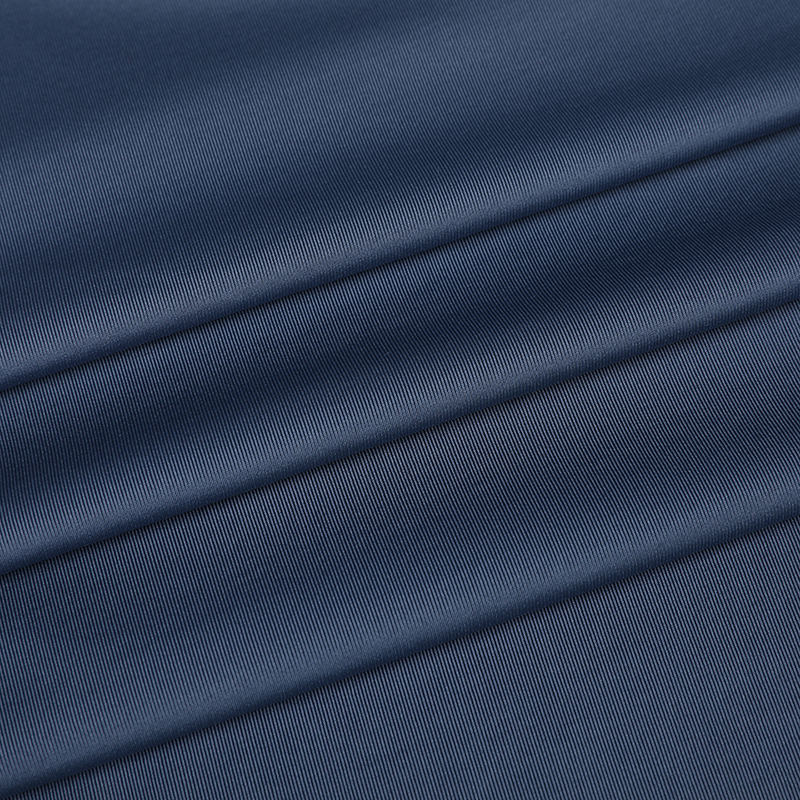
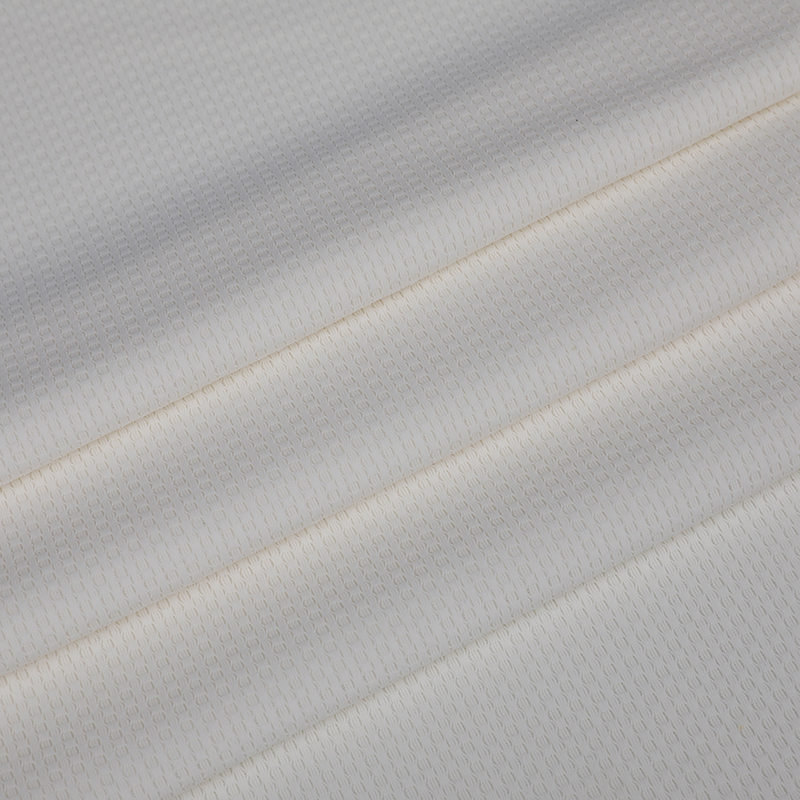
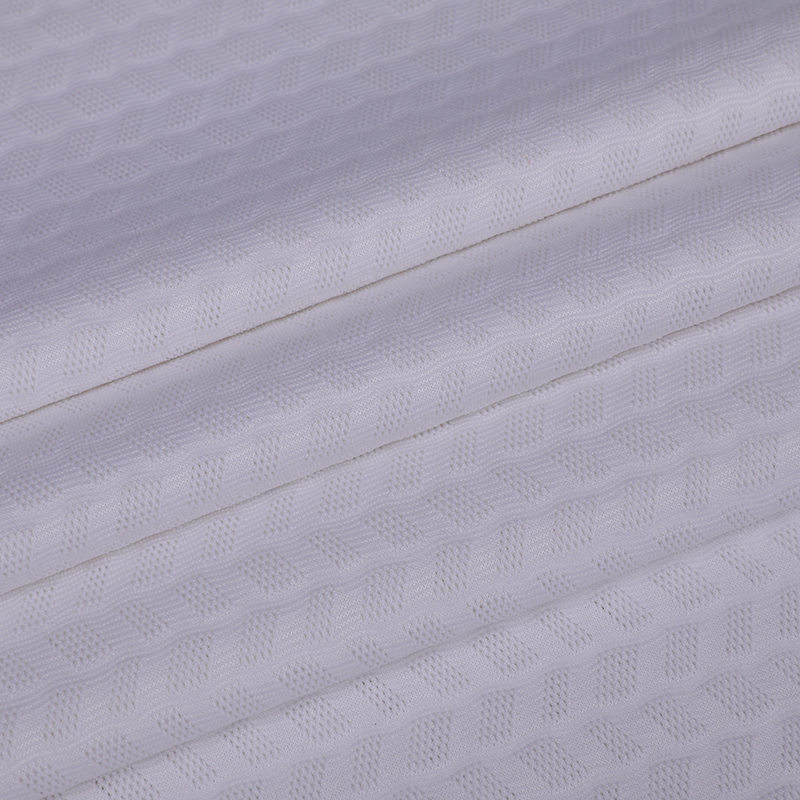
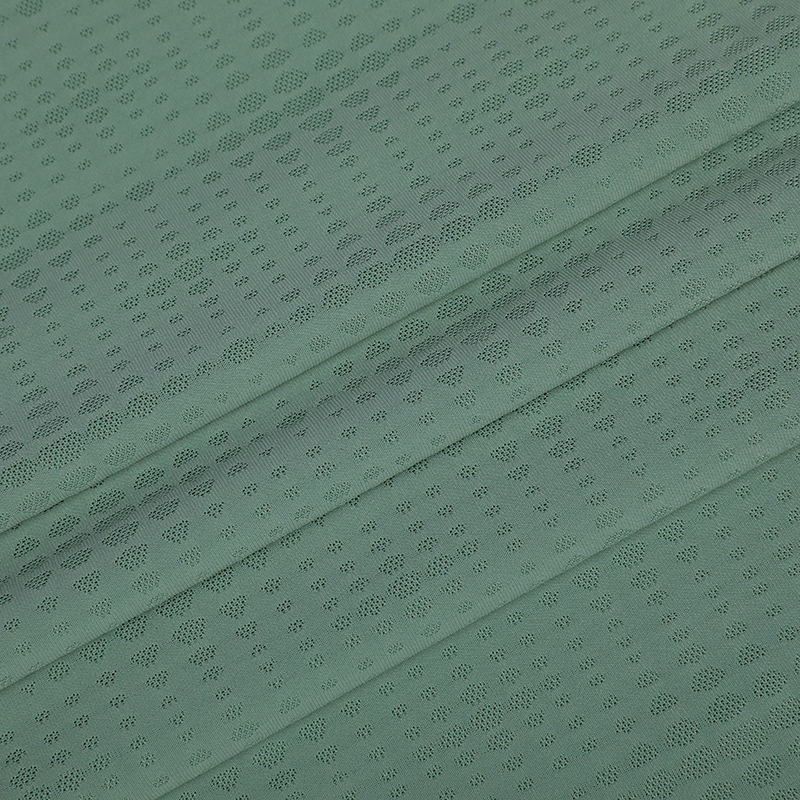
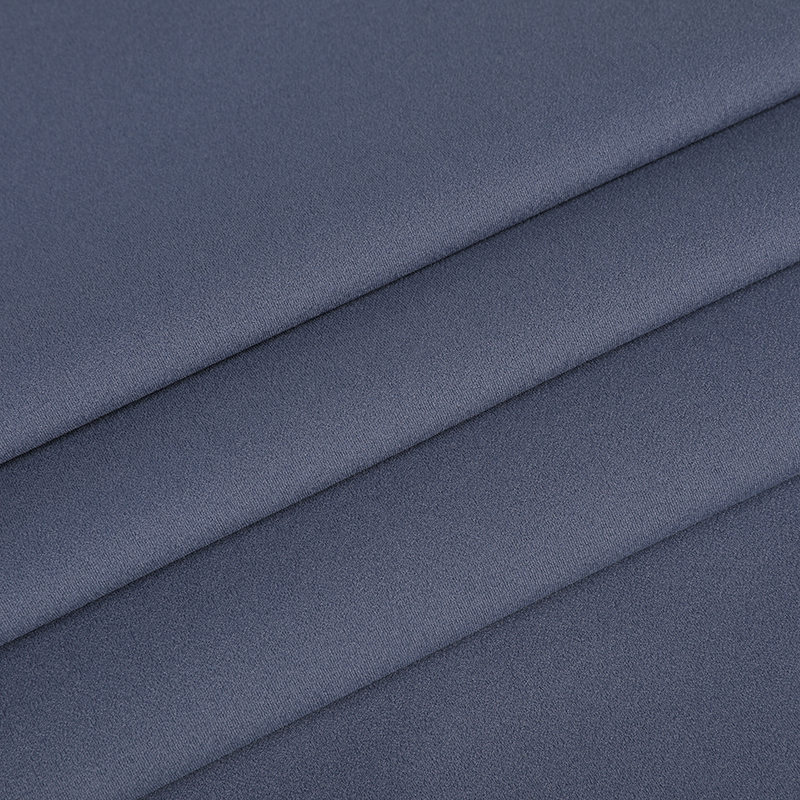
Tricot fabric is a type of warp-knit fabric characterized by its smooth, slippery surface and high elasticity. Typically made from synthetic fibers like nylon, polyester, or blends, it is primarily known for its use in activewear, lingerie, and swimwear. Unlike weft-knitted fabrics, which are made from yarns interlooped horizontally, tricot is made using vertical loops, which provides it with exceptional stretch in one direction.
Key Features of Tricot Fabric:
- Smooth Texture: It has a sleek, silky feel, making it comfortable against the skin.
- High Stretchability: The fabric stretches easily in the width direction.
- Durability: Tricot fabric is relatively durable and resistant to wear and tear.
- Lightweight: It is lightweight, making it suitable for a range of garments and uses.
Stretch Fabrics Overview
To understand how tricot compares to other stretch fabrics, it’s important to examine the general categories of stretch fabrics:
- Spandex (Lycra/Elastane): Known for its exceptional stretch and recovery properties, spandex is often used in performance wear, swimwear, and sportswear. It is a synthetic fiber that can stretch up to 5 times its original length, providing elasticity.
- Jersey Knit: A fabric commonly used in t-shirts, jerseys, and other casual clothing. While jersey fabrics offer some degree of stretch, they are not as stretchable as spandex or tricot fabrics. They are usually made from cotton, polyester, or a blend of both.
- Ribbed Knit: Characterized by its ribbed texture, this fabric provides moderate stretch and is typically used for making fitted tops and dresses.
Stretch and Elasticity Comparison
One of the critical aspects of stretch fabrics is their elasticity — how much they stretch and their ability to return to their original shape after stretching. Below is a comparison table that highlights the stretch capabilities of various fabrics, including tricot:
| Fabric Type | Stretch Capability | Recovery Ability | Applications |
|---|---|---|---|
| Tricot Fabric | Moderate to High | Excellent | Lingerie, Activewear, Swimwear |
| Spandex | Up to 5x original length | Excellent | Sportswear, Performance Apparel |
| Jersey Knit | Low to Moderate | Good | Casual wear, T-shirts, Dresses |
| Ribbed Knit | Moderate | Good | Fitted Tops, Dresses |
Tricot Fabric vs Spandex:
- Tricot Fabric provides moderate to high stretch but does not stretch as extensively as spandex. However, its recovery ability is excellent, making it durable for repeated wear.
- Spandex offers a significantly higher stretch and can regain its original shape even after being stretched to its length. This makes spandex the go-to choice for sportswear and performance gear that requires both high elasticity and comfort.
Tricot Fabric vs Jersey Knit:
- Jersey Knit offers a lower degree of stretch compared to tricot fabric. While it’s comfortable and versatile, it doesn’t provide the same smooth, sleek finish as tricot and isn’t as durable in high-stretch applications.
Durability and Wear Resistance
Another important performance factor is the durability of the fabric. Fabrics used in high-stretch applications are often subjected to friction, stretching, and repeated use, which can affect their longevity. Here’s a look at the durability comparison:
| Fabric Type | Durability | Wear Resistance | Common Uses |
|---|---|---|---|
| Tricot Fabric | High | Good | Swimwear, Activewear |
| Spandex | Moderate to High | Moderate | Sportswear, Compression Garments |
| Jersey Knit | Moderate | Moderate | Casual Clothing, Underwear |
| Ribbed Knit | Moderate | Moderate | Tops, Dresses, Sweaters |
Tricot Fabric Durability:
- Tricot fabric is made using a warp-knit process, which makes it inherently more durable than weft-knitted fabrics. It resists fraying and can handle extensive wear, making it suitable for applications like activewear and swimwear, where the fabric undergoes constant movement.
Spandex and Other Fabrics:
- Spandex is relatively durable but can lose its stretch over time, especially if exposed to heat or harsh chemicals. It’s often blended with other fibers to improve longevity.
- Jersey Knit and Ribbed Knit fabrics, while comfortable and breathable, tend to wear out faster than tricot or spandex fabrics due to their looser knit structure.
Comfort and Wearability
Comfort is another essential factor when comparing fabrics, especially in activewear and performance clothing. Tricot fabric stands out for its smooth, soft texture, making it incredibly comfortable against the skin. Its lightweight and breathable properties also add to its comfort, especially in warmer climates.
| Fabric Type | Softness | Breathability | Comfort Level |
|---|---|---|---|
| Tricot Fabric | Soft, Smooth | Good | High |
| Spandex | Smooth, Stretchy | Moderate | High |
| Jersey Knit | Soft, Cozy | Excellent | High |
| Ribbed Knit | Soft, Textured | Moderate | Moderate to High |
Tricot Fabric Comfort:
- The smooth surface of tricot fabric minimizes friction against the skin, providing a high level of comfort. Its breathability is ideal for garments that require moisture-wicking properties, such as sportswear or undergarments.
Versatility and Applications
The versatility of a fabric is determined by its ability to be used across a range of products and industries. Tricot fabric excels in versatility, especially when compared to other stretch fabrics:
| Fabric Type | Versatility | Common Applications |
|---|---|---|
| Tricot Fabric | High | Activewear, Swimwear, Lingerie, Uniforms |
| Spandex | High | Performance Wear, Sportswear, Shapewear |
| Jersey Knit | Moderate | Casual Clothing, Dresses, T-shirts |
| Ribbed Knit | Moderate | Tops, Sweaters, Dresses |
Tricot Fabric Applications:
- Due to its stretch and smooth texture, tricot fabric is ideal for creating garments that require a sleek appearance and high durability. It is widely used in lingerie, swimwear, activewear, and uniforms.
- Its versatility makes it suitable for various performance levels, providing comfort and practicality in both fashion and functional wear.
Conclusion
Tricot fabric is a strong contender in the world of stretch fabrics, offering a blend of high performance, durability, and comfort. Compared to spandex, it may not provide the same stretch, but its smooth texture and high recovery make it a choice for activewear and swimwear. When compared to jersey knit and ribbed knit, tricot stands out for its durability and smooth finish, making it more suitable for high-performance applications.
FAQ
1. What is the primary difference between tricot fabric and spandex?
Tricot fabric offers moderate stretch and is known for its smooth texture, while spandex provides higher stretch and recovery, ideal for performance wear.
2. Is tricot fabric suitable for everyday clothing?
Yes, tricot is versatile and can be used for everyday wear like activewear, lingerie, and uniforms, offering both comfort and durability.
3. How does the durability of tricot fabric compare to jersey knit?
Tricot fabric is generally more durable than jersey knit due to its warp-knit structure, making it more resistant to wear and tear.
4. Can tricot fabric be used in sportswear?
Yes, tricot fabric is ideal for sportswear due to its high stretchability, durability, and comfort.
5. Is tricot fabric breathable?
Yes, tricot fabric is breathable, making it suitable for garments like activewear and swimwear, where moisture-wicking is essential.
CONTACT US
If you need a quote or have any questions, you can fill out the following form to contact us.

ABOUT
PRODUCT
CONTACT US
-
 West 3rd Floor, Building 5, Zone A, Hangpai Garment Industrial Park, Changan Town, Haining City, Jiaxing City, Zhejiang Province
-
 +886978217318
-
 [email protected]/[email protected]
Copyright © Haining Junrui Textile Co., Ltd. All Rights Reserved.
