


 English
 中文简体
中文简体 Español
 日本語
日本語Submit feedback
 Home / News / Industry News / How Does Tricot Fabric Contribute to Durability and Comfort in Garments?
Industry News
How Does Tricot Fabric Contribute to Durability and Comfort in Garments?
2026-01-29
Introduction to Tricot Fabric
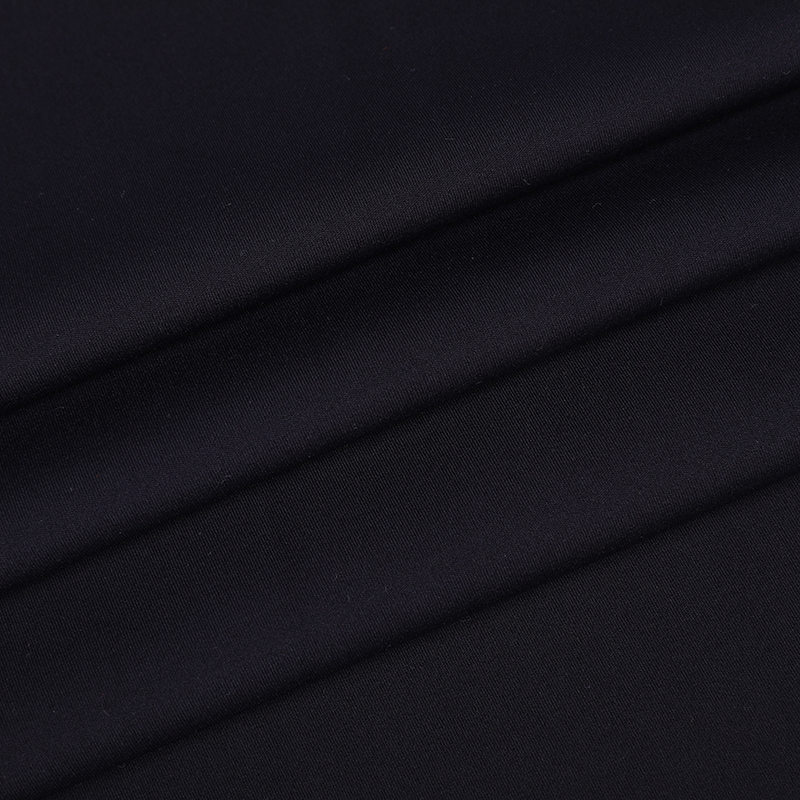
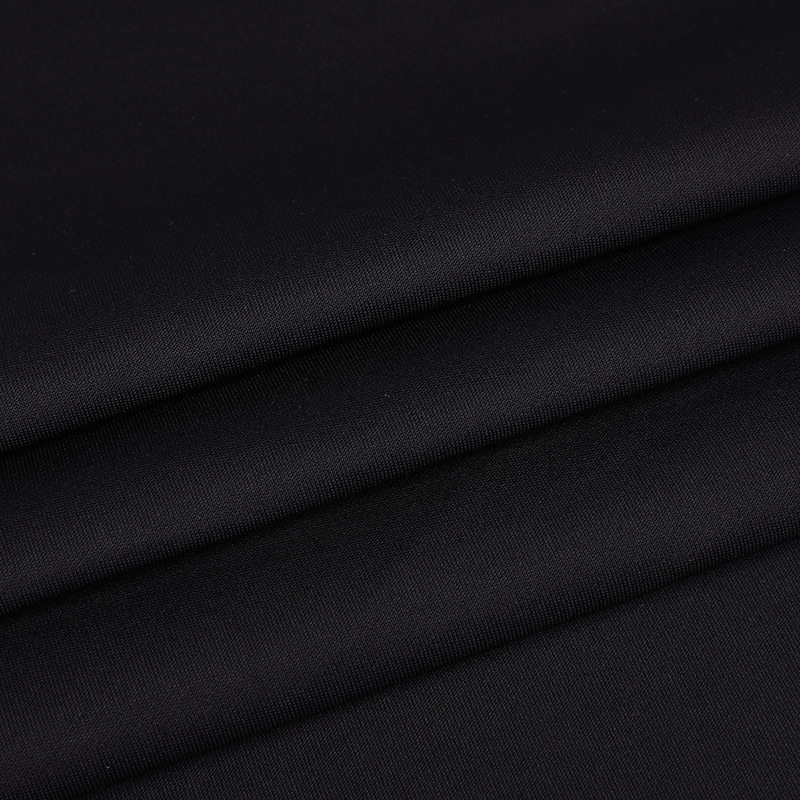
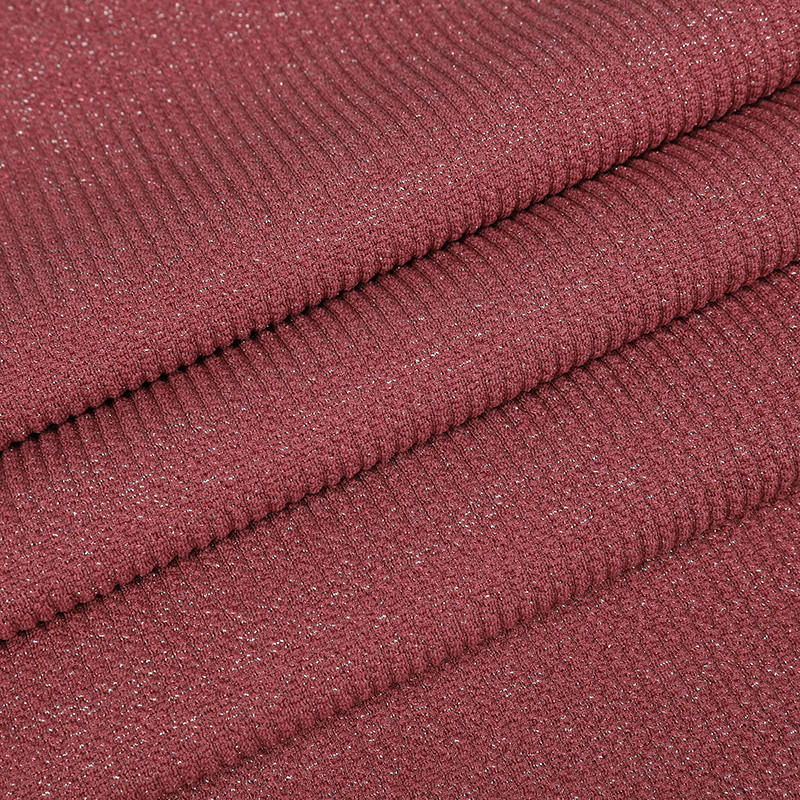
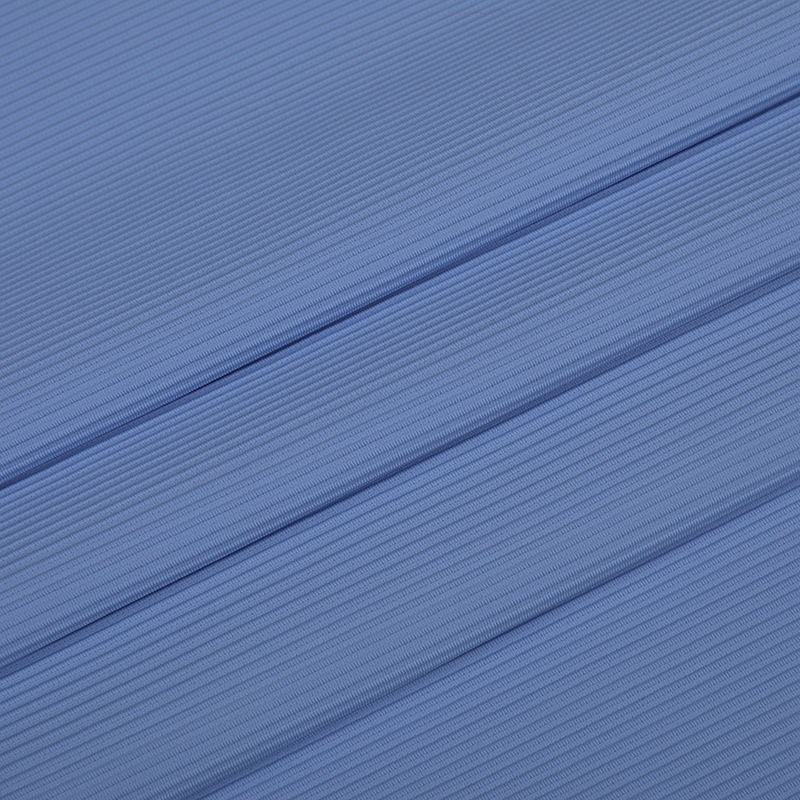
Tricot fabric, known for its unique structure and versatile applications, has become a popular choice in the garment industry. Made from a knit structure, this fabric is widely used for producing garments that require both durability and comfort. Tricot’s smooth texture and high elasticity make it a favored material for athletic wear, loungewear, and even professional attire.
What is Tricot Fabric?
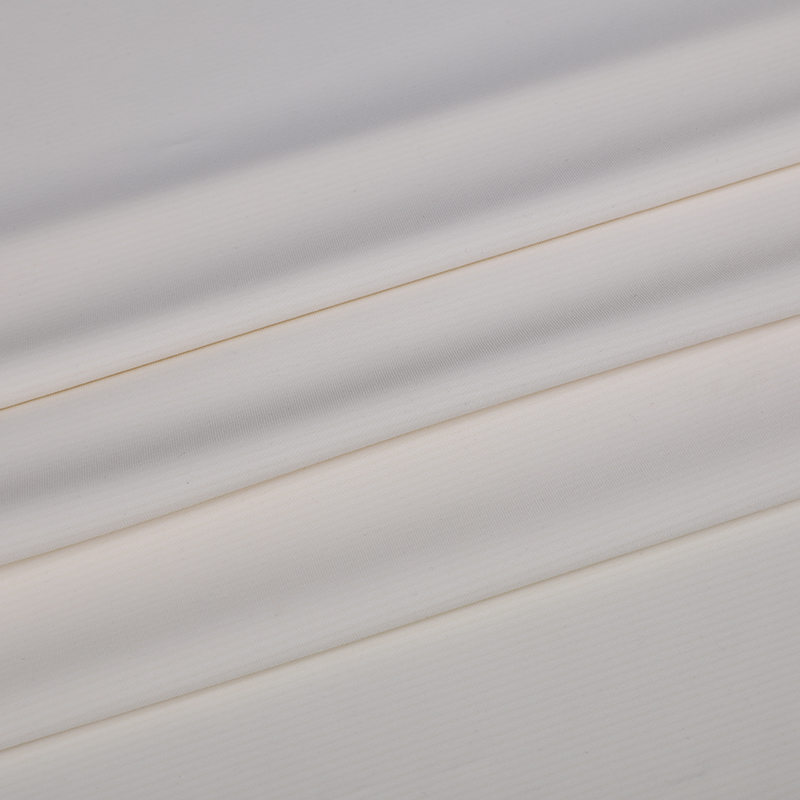
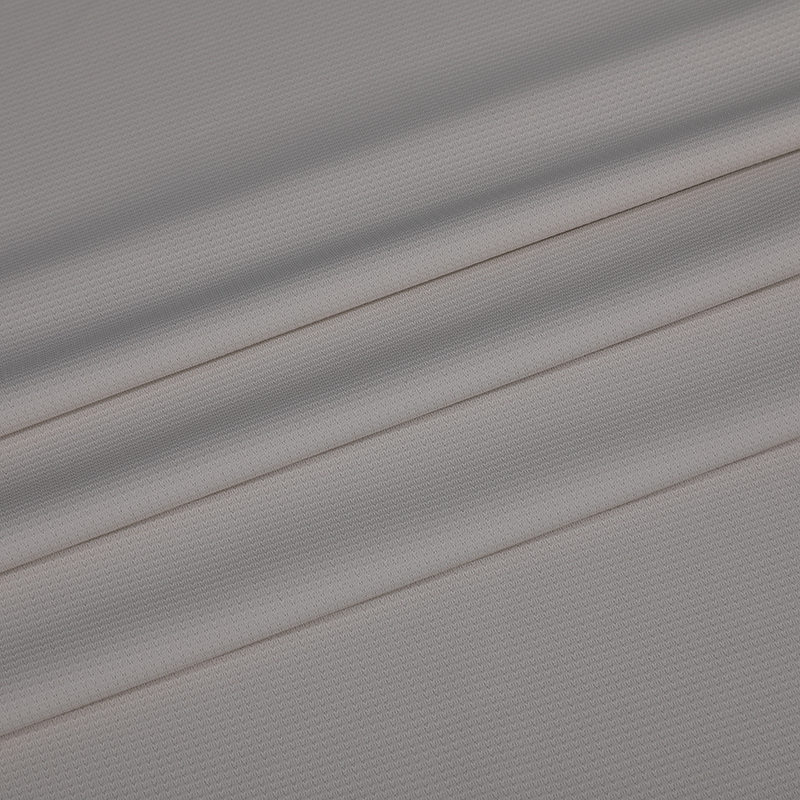
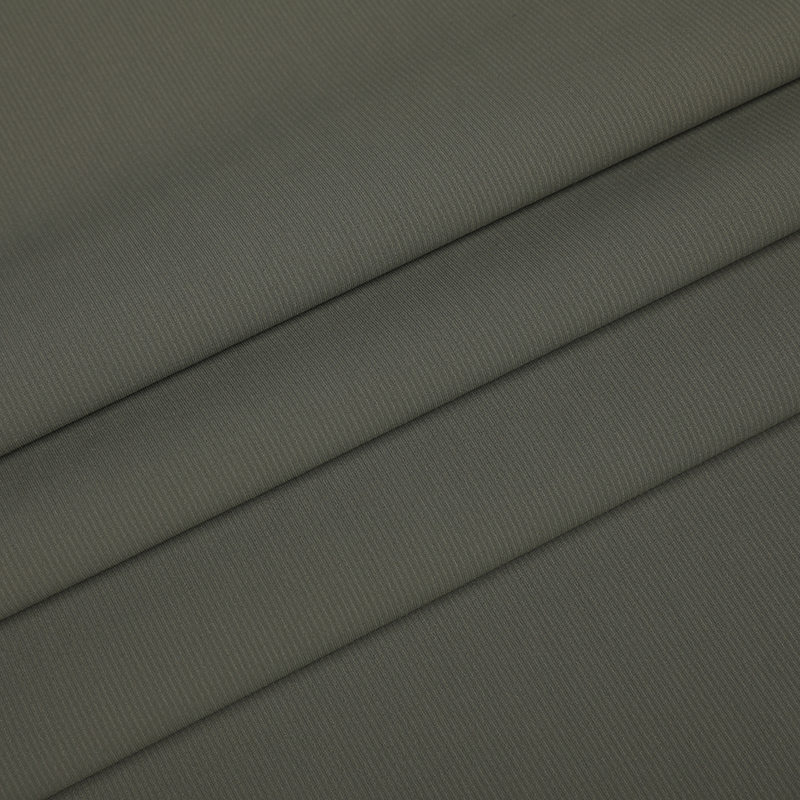
Tricot is a type of knit fabric that features a distinctive construction. The fabric is woven using a machine that creates a smooth, tight-knit surface, often with a slight stretch. The two-way stretch property of Tricot provides greater comfort and mobility, especially in garments that are worn for long periods.
Key Features of Tricot Fabric:
- Two-Way Stretch: Provides elasticity both horizontally and vertically.
- Smooth Finish: Offers a sleek, soft texture ideal for direct contact with the skin.
- Breathable: Allows air circulation, keeping the wearer cool.
- Lightweight Yet Durable: Stronger than many other knit fabrics, making it suitable for a variety of applications.
Durability of Tricot Fabric
The durability of Tricot fabric is a key factor that sets it apart from other materials used in garment manufacturing. Whether for everyday wear or more demanding uses, Tricot offers the following advantages in terms of durability:
- Resistance to Wear and Tear: Tricot is inherently more resistant to snags and stretching than other fabrics like jersey. The tight-knit structure prevents the fabric from losing its shape, which is crucial for garments that undergo regular washing and movement.
- Long-Lasting Performance: Due to its resistance to abrasion, Tricot is often used in garments exposed to frequent friction, such as activewear and uniforms.
- Shape Retention: The inherent elasticity ensures the fabric maintains its form, even after repeated use. Unlike some other fabrics, Tricot doesn’t sag or lose its original shape.
Comfort Benefits of Tricot Fabric in Garments
Comfort is another vital aspect of Tricot fabric that makes it so popular in everyday clothing. This fabric is engineered for ease of wear and flexibility, contributing to comfort in several ways:
- Soft Touch and Feel: Tricot fabric’s smooth finish ensures comfort, especially for garments that come in direct contact with the skin. The fabric’s lightweight nature also provides a soft feel without being restrictive.
- Breathability: The construction of Tricot fabric allows air to circulate, helping to regulate temperature and wick away moisture. This is particularly beneficial for activewear, where moisture management and breathability are essential.
- Stretchability: Tricot offers a balance of stretch and recovery, ensuring that garments made from it retain their original fit while still offering freedom of movement.
- Versatility in Garment Design: Tricot’s elasticity enables designers to create garments that conform to the body’s shape without being tight or uncomfortable. This is particularly beneficial in the design of garments like leggings, sports bras, and even professional attire.
Applications of Tricot Fabric in Garments
Tricot fabric’s properties make it an ideal choice for various garment types. Some of the common applications include:
| Garment Type | Reasons for Using Tricot Fabric |
|---|---|
| Activewear | Durability and moisture-wicking properties for comfort and flexibility during exercise. |
| Lingerie and Sleepwear | Soft texture and lightweight for skin comfort during rest. |
| Sports Uniforms | Stretch and durability for ease of movement and performance. |
| Outerwear | Breathability and stretch for active use without sacrificing warmth. |
| Workwear | Resistance to wear and tear while providing flexibility for mobility. |
How Tricot Fabric Enhances Comfort and Durability in Specific Garments
-
Athletic Apparel: For activewear like yoga pants and running shirts, Tricot offers the stretch needed for movement without sacrificing durability. Its moisture-wicking properties ensure that athletes stay dry and comfortable during exercise.
-
Lingerie and Sleepwear: The softness of Tricot is for delicate garments like bras and panties. The fabric’s smooth texture provides comfort throughout the day and night, while its durability ensures that the garment retains its shape after washing.
-
Uniforms: Tricot’s strength and durability make it a choice for work uniforms. The material is resilient to repeated washing and wear, ensuring that uniforms retain their appearance and functionality.
Tricot Fabric vs. Other Fabrics: Durability and Comfort Comparison
| Fabric Type | Durability | Comfort |
|---|---|---|
| Tricot | High resistance to wear and tear, retains shape over time | Smooth texture, breathable, soft against the skin |
| Cotton | Moderate durability, prone to wear and shrinkage | Soft, comfortable but may lose shape |
| Polyester | Highly durable, resistant to wrinkles | Less breathable, feels stiff |
| Spandex | Highly elastic but can lose shape | Comfortable with a lot of stretch |
Tricot Fabric Maintenance Tips for Longevity
To maximize the durability and comfort of garments made from Tricot fabric, proper care is essential. Below are some maintenance tips:
- Gentle Machine Wash: Always wash Tricot fabric garments in cold water to preserve their elasticity and prevent stretching.
- Avoid High Heat: Do not expose Tricot to high temperatures, whether in the washing machine or during ironing. High heat can break down the fibers and reduce its stretchability.
- Dry Naturally: Air dry Tricot fabric instead of using a tumble dryer to prevent any shrinkage or loss of elasticity.
- Storage: Store Tricot garments in a cool, dry place to maintain their shape and prevent them from losing their elasticity.
FAQ
1. What makes Tricot fabric different from other knit fabrics?
Tricot fabric is unique due to its smooth texture, two-way stretch, and durability. Unlike other knit fabrics, Tricot has a tighter knit that enhances its resilience to wear and tear while maintaining comfort.
2. Is Tricot fabric suitable for all seasons?
Yes, Tricot fabric is breathable and lightweight, making it suitable for both warm and cooler weather. Its moisture-wicking properties also make it ideal for activewear throughout the year.
3. Can Tricot fabric be used for heavy-duty garments?
Yes, Tricot’s durability makes it a suitable choice for garments exposed to heavy use, such as work uniforms, sportswear, and outerwear.
4. How does Tricot fabric help in moisture management?
Tricot fabric allows air circulation and wicks moisture away from the skin, ensuring that the wearer stays dry and comfortable, particularly during physical activities.
5. Is Tricot fabric easy to care for?
Yes, Tricot fabric is relatively low-maintenance. It should be washed gently in cold water and air-dried to preserve its elasticity and durability.
Conclusion
Tricot fabric’s combination of durability and comfort makes it a standout choice in the garment industry. Its unique knit structure ensures longevity, while its softness and stretch properties provide comfort for wearers. From athletic apparel to lingerie, Tricot proves to be an essential fabric for garments that need to withstand regular wear while maintaining comfort. By understanding how Tricot fabric contributes to both durability and comfort, consumers and manufacturers can make more informed decisions when selecting materials for various clothing types.

CONTACT US
If you need a quote or have any questions, you can fill out the following form to contact us.

ABOUT
PRODUCT
CONTACT US
-
 West 3rd Floor, Building 5, Zone A, Hangpai Garment Industrial Park, Changan Town, Haining City, Jiaxing City, Zhejiang Province
-
 +886978217318
-
 [email protected]/[email protected]
Copyright © Haining Junrui Textile Co., Ltd. All Rights Reserved.
