


 English
 中文简体
中文简体 Español
 日本語
日本語Submit feedback
 Home / News / Industry News / What Are the Key Features to Look for in High-Quality Single Side Sportswear Fabric?
Industry News
What Are the Key Features to Look for in High-Quality Single Side Sportswear Fabric?
2026-01-22
Introduction
Sportswear has evolved from basic functionality to a vital component of modern athletic performance. The fabric used in sportswear plays an essential role in determining comfort, durability, and overall performance. Among the various options available, single side sportswear fabric has become particularly popular for its versatility and unique features.
What is Single Side Sportswear Fabric?
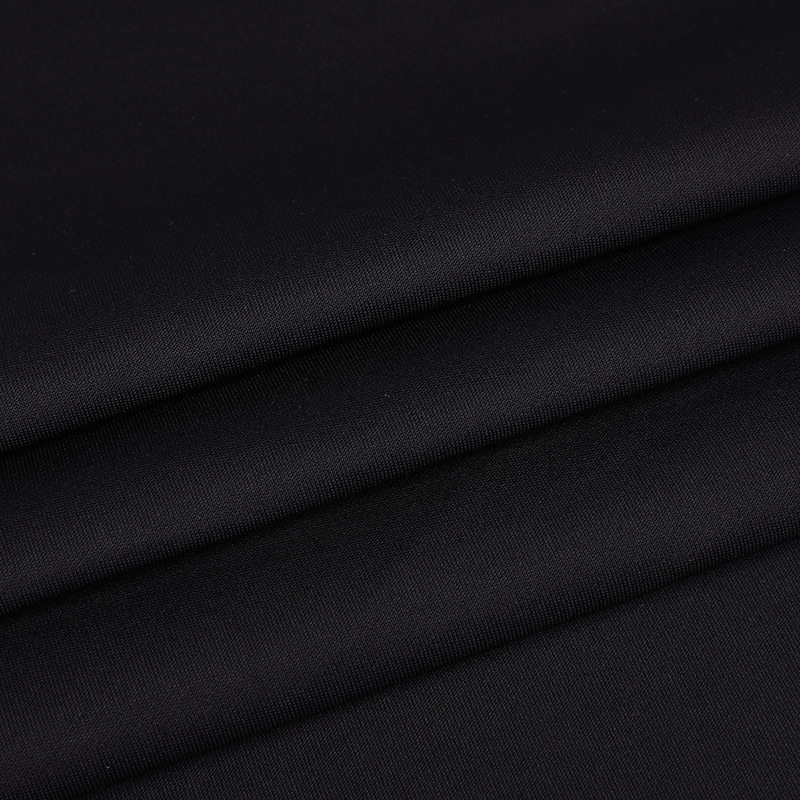
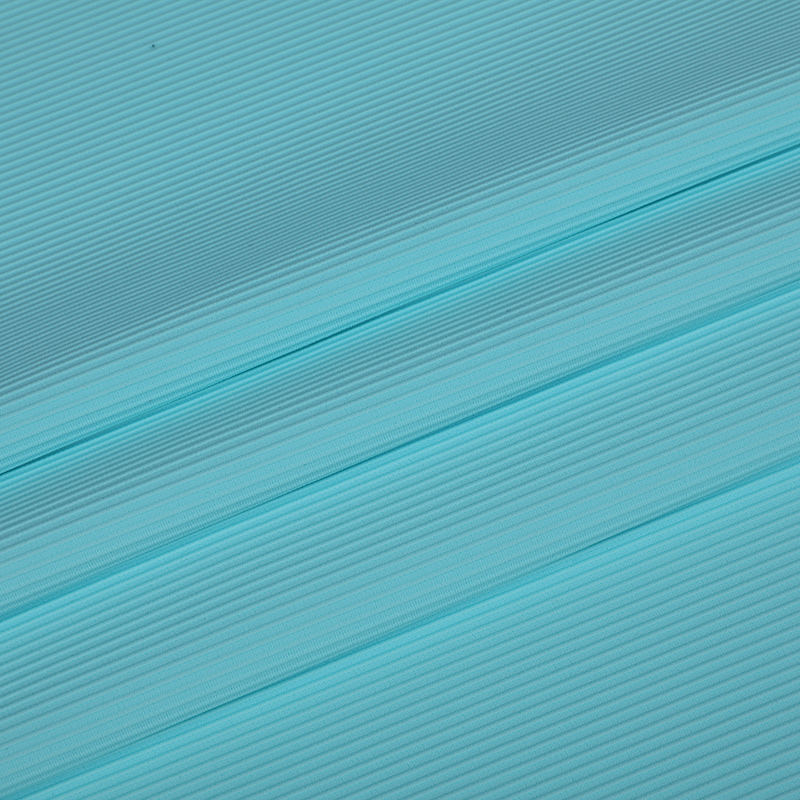
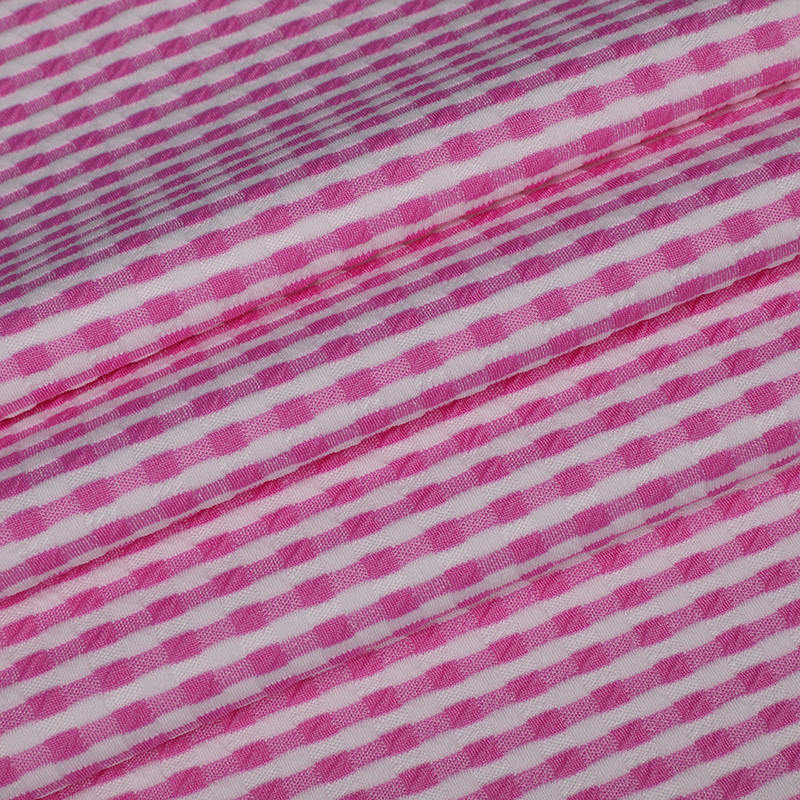
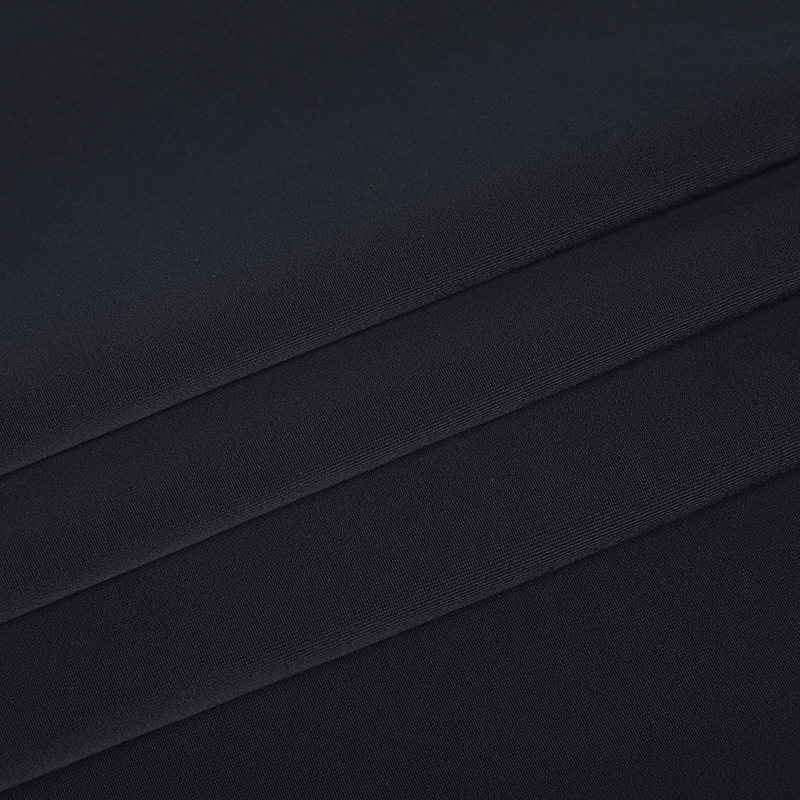
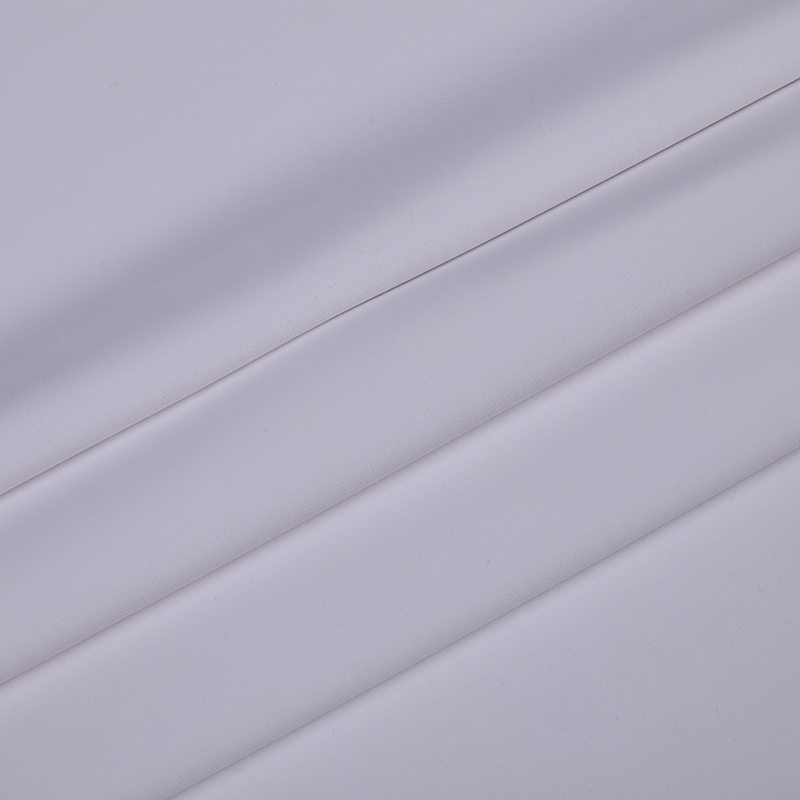
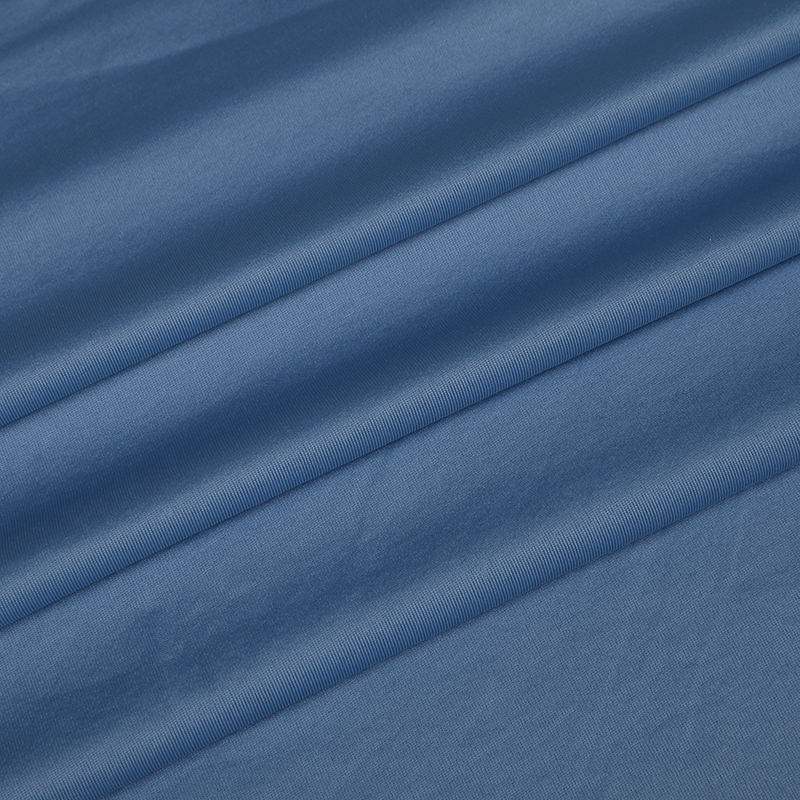
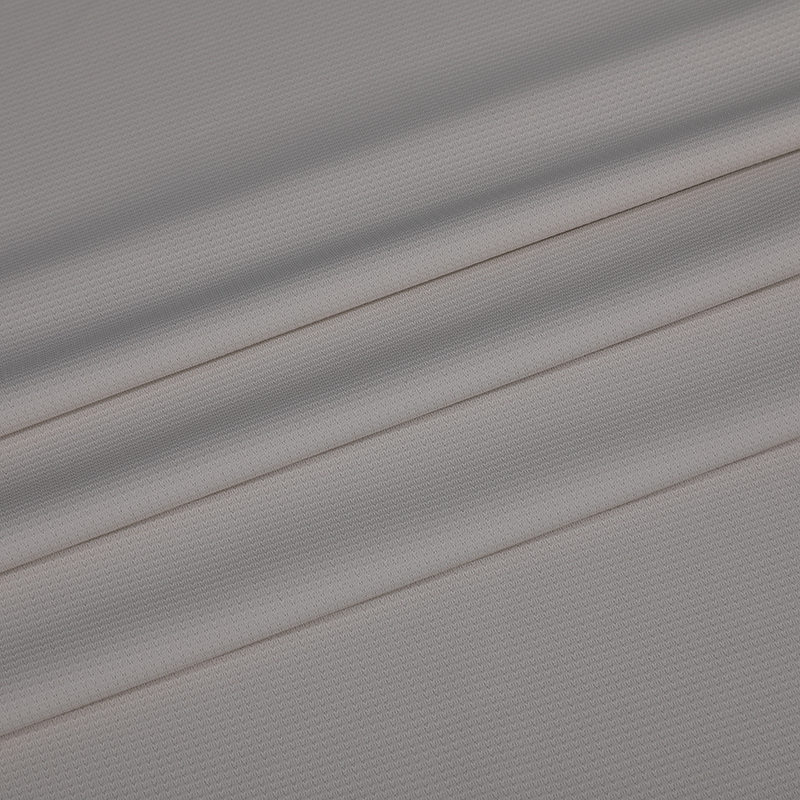
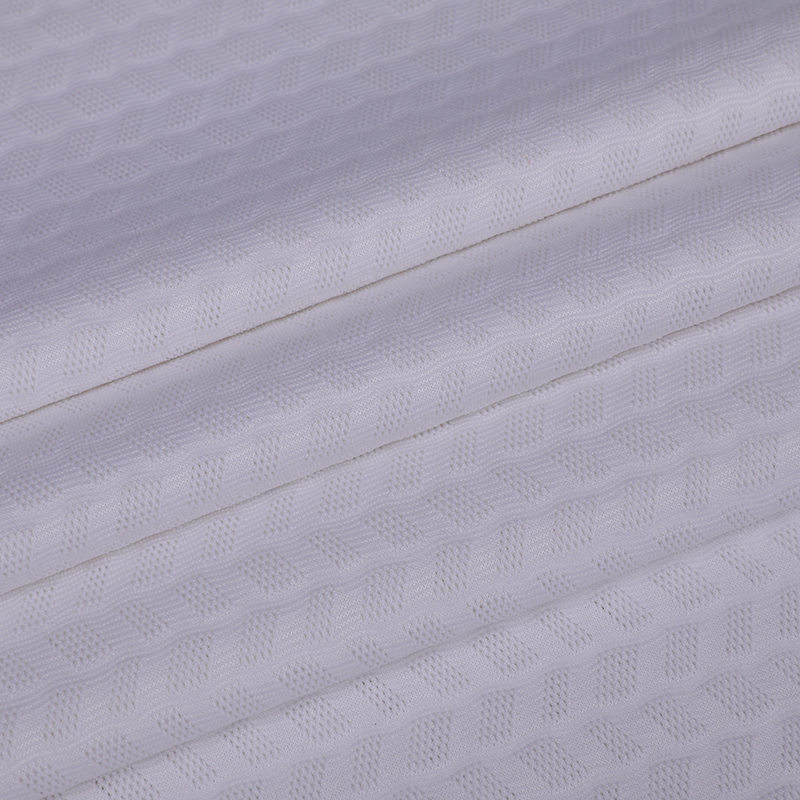
Single side sportswear fabric refers to a textile material that is designed with a specific structure suitable for activewear. Unlike double-sided fabrics, which have similar properties on both sides, single side fabrics have one smooth or textured surface, with the reverse side often simpler or less textured. This design makes it ideal for performance-driven sportswear as it can offer targeted properties such as moisture-wicking, breathability, and flexibility.
Key Features of High-Quality Single Side Sportswear Fabric
Moisture-Wicking Properties
One of the important features to consider is moisture-wicking capability. Fabrics with moisture-wicking properties pull sweat away from the skin, keeping the wearer dry and comfortable. High-quality sports fabric will efficiently absorb moisture and allow it to evaporate, preventing the fabric from feeling heavy or uncomfortable during physical activity.
Moisture-Wicking Fabric Comparison
| Fabric Type | Moisture-Wicking Efficiency | Drying Time |
|---|---|---|
| Single Side Sportswear Fabric | High | Fast |
| Polyester | Medium | Medium |
| Nylon | High | Fast |
Breathability
Breathability is another vital feature of sportswear fabric. A high-quality single side sportswear fabric should allow air to flow through the material, preventing overheating and ensuring body temperature regulation during exercise. Look for fabrics with open weaves or micro-perforations that enhance airflow.
Stretch and Flexibility
Flexibility is essential for comfort and performance. Fabrics with the right amount of stretch will allow for a full range of motion, particularly for activities like running, yoga, and cycling. Elastane, spandex, or Lycra blends are commonly used to add stretch to sports fabrics without compromising durability.
Durability and Abrasion Resistance
Sportswear fabrics undergo significant wear and tear during use. A high-quality single side fabric will offer durability, maintaining its integrity even after repeated use and washing. Abrasion resistance is a key indicator of durability, especially for fabrics used in high-impact sports.
Lightweight and Comfortable
Weight is crucial when choosing sportswear fabric. Lightweight materials are preferable as they reduce drag and provide comfort. A well-designed single side fabric will be soft to the touch, enhancing the overall wearing experience without sacrificing performance.
UV Protection
UV protection is becoming an increasingly important consideration for outdoor athletes. Fabrics with built-in UV protection can block harmful rays, reducing the risk of skin damage during prolonged exposure to the sun. High-quality single side sportswear fabric often features UV-blocking technologies, making it suitable for outdoor sports.
UV Protection Levels of Different Fabrics
| Fabric Type | UV Protection Level | Recommended Usage |
|---|---|---|
| Single Side Sportswear Fabric | High | Outdoor Activities |
| Polyester | Medium | Casual Wear |
| Nylon | Low | Indoor Activities |
Odor Control
Activewear is notorious for developing odors due to sweat and bacteria buildup. High-quality fabrics often feature antimicrobial treatments that prevent odor development, keeping your sportswear fresh for longer periods. This is especially useful for athletes who train regularly.
Color Retention
Long-lasting color is a feature that should not be overlooked. Good-quality single side fabrics are resistant to fading, even after multiple washes. This ensures that your activewear remains vibrant and visually appealing throughout its lifespan.
Eco-friendliness
Sustainability is becoming increasingly important in the textile industry. Many manufacturers are focusing on producing eco-friendly sportswear fabrics made from recycled materials or with lower environmental impact. Look for certifications like Global Recycled Standard (GRS) or OEKO-TEX® Standard 100 to ensure the fabric’s sustainability.
Benefits of Single Side Sportswear Fabric
- Enhanced Comfort: The fabric is designed to be lightweight and flexible, offering the comfort during high-intensity activities.
- Breathability and Moisture Control: With moisture-wicking and breathable properties, athletes can stay dry and cool throughout their workout.
- Durability: Its resistance to wear and tear ensures long-lasting performance, even after frequent use and washing.
- Variety of Applications: Single side sportswear fabric is suitable for various sports, including running, cycling, yoga, and team sports.
How to Choose the Right Single Side Sportswear Fabric for Your Needs?
Choosing the fabric depends on the specific requirements of the activity. For high-performance sports, opt for fabrics with moisture management, breathability, and stretch. For outdoor activities, consider fabrics with UV protection and durability. Always test the fabric for comfort and performance before making a final decision.
Maintenance Tips for Sportswear Fabric
To maximize the lifespan of your single side sportswear fabric, follow proper care instructions. Wash in cold water to preserve the fabric’s integrity, avoid fabric softeners, and dry the garments on a low setting to prevent damage.
FAQ
1. What makes single side sportswear fabric different from double-sided fabrics?
Single side fabrics have one textured surface, offering enhanced performance for sportswear, while double-sided fabrics are generally uniform on both sides. The specific texture or smoothness of the single side allows for better moisture management and breathability.
2. Can I use single side sportswear fabric for all types of sports?
Yes, single side sportswear fabric is versatile and suitable for a variety of sports, from high-intensity workouts to casual activities. The key is to select the right blend and features (like stretch or moisture-wicking) for the specific activity.
3. How do I know if my sportswear fabric has good moisture-wicking properties?
A high-quality sports fabric should pull moisture away from the body and dry quickly. If the fabric feels damp and heavy after exercise, it may not have strong moisture-wicking properties.
4. Is single side sportswear fabric environmentally friendly?
Many manufacturers are now producing eco-friendly single side sportswear fabrics made from recycled materials or using sustainable production processes. Look for certifications like GRS or OEKO-TEX® to ensure eco-friendliness.
5. How do I care for my single side sportswear fabric?
To ensure longevity, wash sportswear fabrics in cold water, avoid fabric softeners, and dry them on low heat. Always follow the manufacturer’s care instructions for results.
CONTACT US
If you need a quote or have any questions, you can fill out the following form to contact us.

ABOUT
PRODUCT
CONTACT US
-
 West 3rd Floor, Building 5, Zone A, Hangpai Garment Industrial Park, Changan Town, Haining City, Jiaxing City, Zhejiang Province
-
 +886978217318
-
 [email protected]/[email protected]
Copyright © Haining Junrui Textile Co., Ltd. All Rights Reserved.
