


 English
 中文简体
中文简体 Español
 日本語
日本語Submit feedback


Industry News
What Are the Different Types of Warp Knitting Fabrics and Their Uses?
2026-02-05
Warp knitting fabrics have become an essential component in various industries, ranging from fashion to industrial applications. With their unique structure and qualities, they offer distinct advantages over other types of knitted fabrics.
What Is Warp Knitting?
Warp knitting is a technique used to create fabrics by interlacing multiple yarns. Unlike weft knitting, where the yarn is fed horizontally, warp knitting involves feeding the yarns vertically. This process is done with specialized machines that create a fabric with greater stability, durability, and stretch.
The key characteristic of warp knitted fabrics is their interlocking structure, which provides enhanced strength and resistance to fabric distortions. This makes warp knitting a preferred choice in applications requiring high-performance materials.
Key Types of Warp Knitting Fabrics
Tricot Fabric
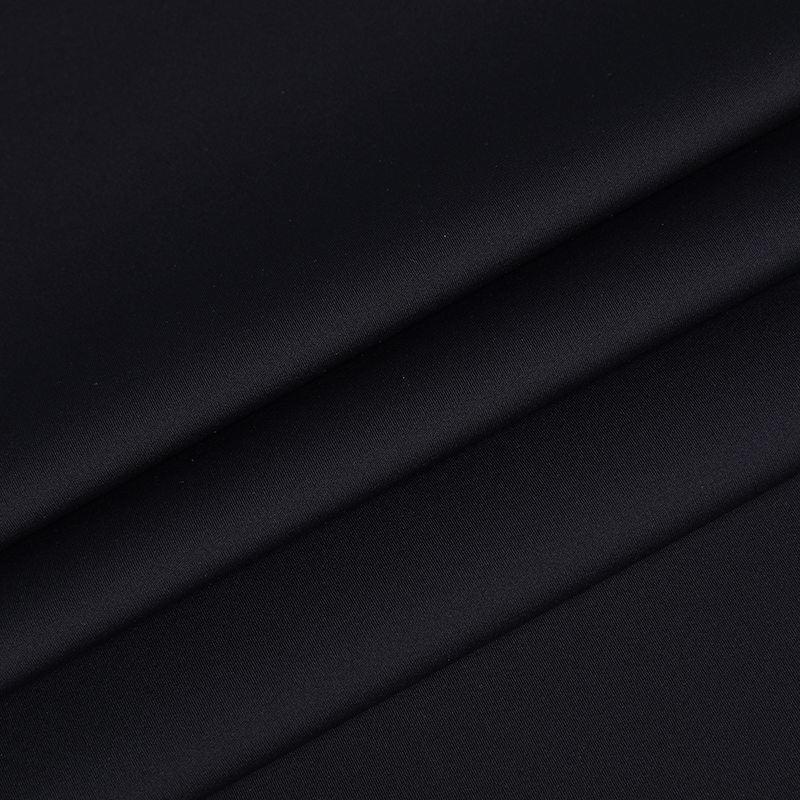
Tricot is one of the common warp knitting fabrics. Known for its smooth texture and fine finish, tricot fabric is widely used in the fashion and lingerie industries. It is produced with fine yarns, resulting in a lightweight, soft fabric.
Characteristics:
- Smooth texture
- Lightweight
- Soft and stretchable
- Durable
Uses:
- Lingerie and sleepwear
- Sportswear
- Swimwear (including polyester swimwear fabric)
Raschel Fabric
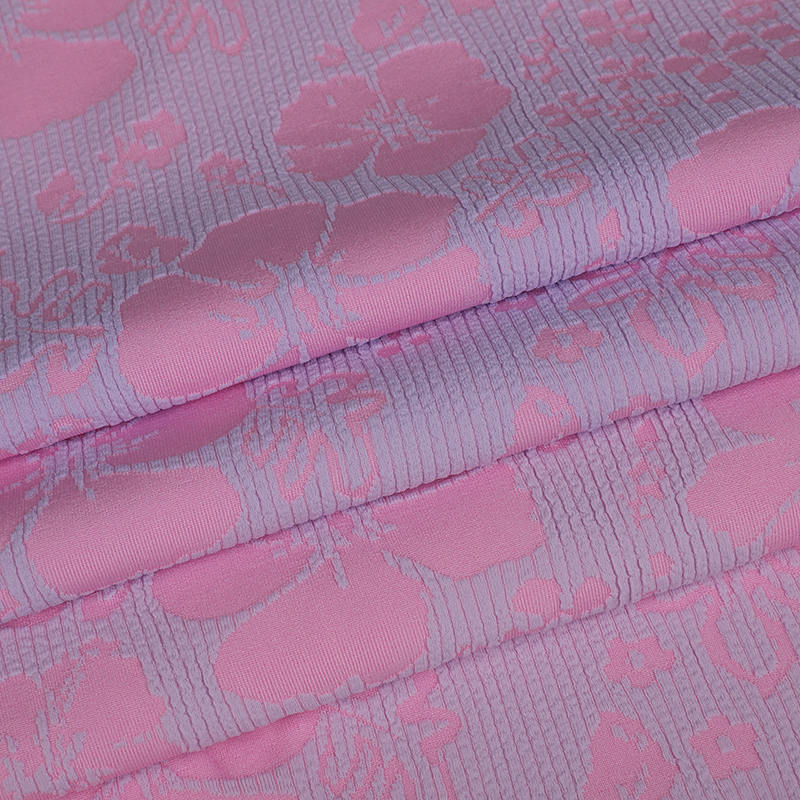
Raschel fabrics are known for their intricate, lace-like designs. These fabrics are typically thicker than tricot and feature a variety of textures and patterns. Raschel fabrics are highly versatile and are used in both fashion and industrial applications.
Characteristics:
- Heavyweight compared to other warp knits
- Offers different patterns and textures
- Highly versatile
Uses:
- Curtains and upholstery
- Sportswear
- Outdoor wear
- Industrial textiles
Milanese Fabric
Milanese is a dense, strong warp knitted fabric with a unique diagonal pattern. This fabric type is often used in industrial applications and is known for its durability and resilience under stress.
Characteristics:
- Dense and strong
- Diagonal pattern
- High durability
Uses:
- Automotive upholstery
- Industrial clothing
- Safety nets
Georgette Warp Knit
Georgette is a lightweight and slightly textured fabric that offers a great deal of stretch. It is often used in formal wear, as it flows beautifully and holds its shape without being overly rigid.
Characteristics:
- Lightweight and flowing
- Slightly textured
- Stretchable
Uses:
- Dresses and skirts
- Activewear
- Evening wear
Lycra Warp Knit
Lycra is a popular elastomeric fabric known for its stretch and recovery properties. This fabric is highly elastic and retains its shape even after multiple uses.
Characteristics:
- Excellent stretch and recovery
- Smooth finish
- High performance
Uses:
- Sportswear
- Swimwear
- Gym apparel
Polyester Swimwear Fabric
One of the standout materials produced through warp knitting techniques is polyester swimwear fabric. Known for its durability and resistance to chlorine, polyester swimwear fabric is commonly used in the production of swimsuits, sportswear, and other water-based clothing.
Characteristics:
- Chlorine-resistant
- Durable and long-lasting
- Lightweight
Uses:
- Swimwear
- Water sports apparel
- Fitness wear
Polyester is a synthetic fiber that is resistant to shrinkage, making it an ideal choice for swimwear. In addition, warp knitting allows for stretch and recovery, ensuring that the fabric maintains its form even after frequent use.
Benefits of Warp Knitting Fabrics
Warp knitting offers several advantages over other fabric production techniques. These benefits include:
Durability: The interlocking structure of warp knitting makes these fabrics more resistant to tearing and fraying.
Stretch and Recovery: Warp knitted fabrics, especially those like Lycra and polyester, offer significant stretch and are designed to recover their original shape after stretching.
Versatility: Warp knitting can be used to create a wide variety of textures, from delicate lace to durable industrial fabrics.
Lightweight Yet Strong: These fabrics can be lightweight yet offer significant strength and stability, making them suitable for both fashion and industrial applications.
Breathability: Many warp-knitted fabrics, such as tricot, offer breathability, making them comfortable to wear for long periods.
Key Considerations When Choosing Warp Knitting Fabrics
When selecting a warp-knitted fabric for a specific application, it is essential to consider the following factors:
Purpose: The end-use of the fabric plays a significant role in determining the type of warp knit required. For instance, polyester swimwear fabric is ideal for swimwear, whereas Lycra is better suited for activewear.
Strength: Some warp-knitted fabrics are designed for heavy-duty applications and must be able to withstand stress and wear. Milanese, for example, is known for its durability in industrial settings.
Elasticity: Fabrics with high stretch and recovery properties, such as Lycra, are for activewear, sportswear, and swimwear.
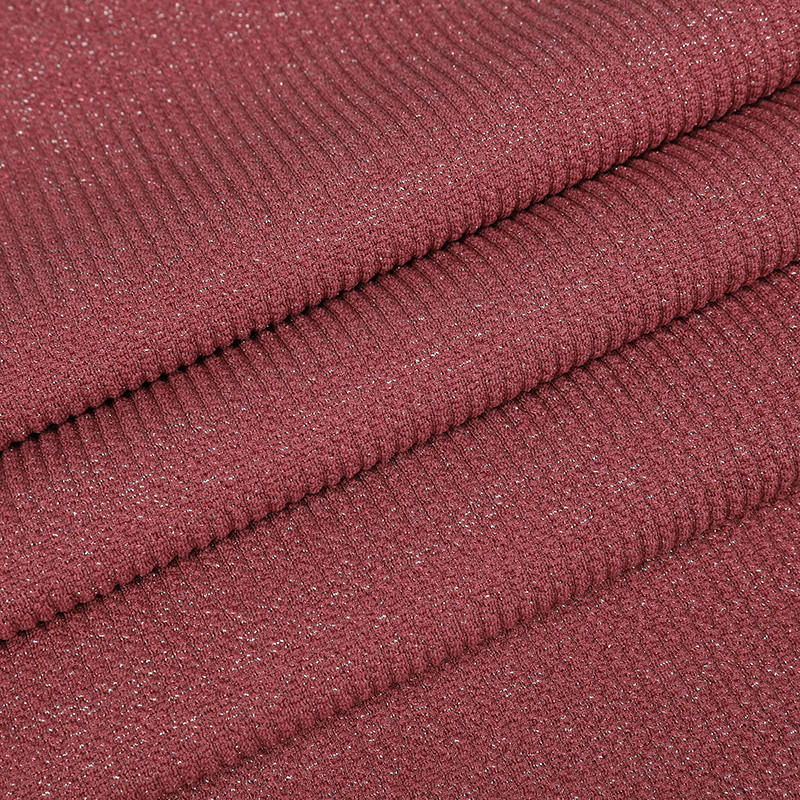
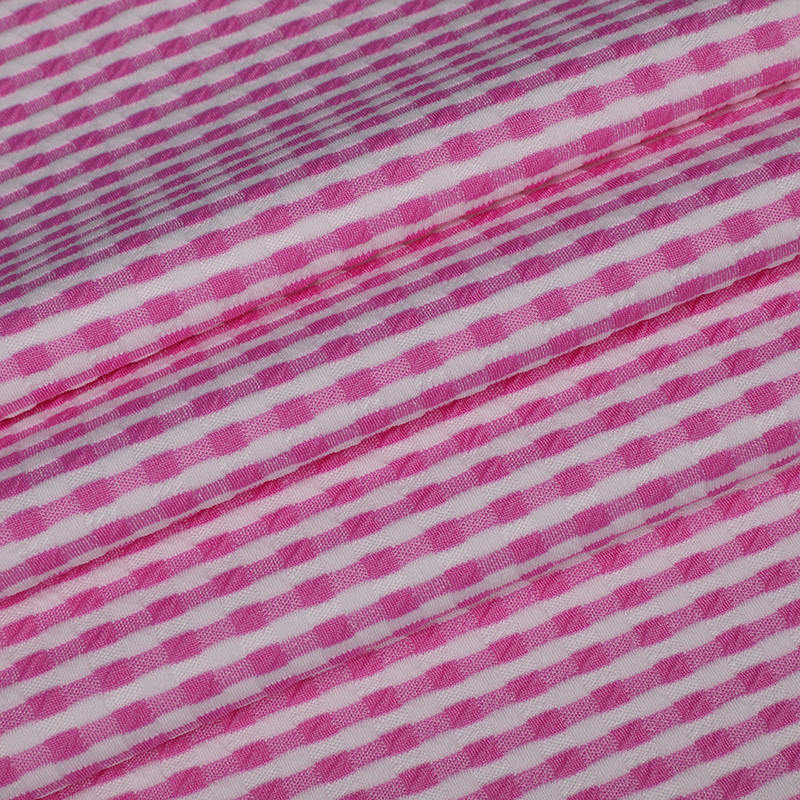
Texture and Finish: Depending on the aesthetic requirements, the texture of the fabric (e.g., smooth like tricot or textured like raschel) will influence the choice of material.
Warp Knitting Fabric Applications in Various Industries
Warp-knitted fabrics are not just used in the fashion industry; they also play a crucial role in a variety of other industries:
Fashion and Apparel Industry: Warp-knitted fabrics are used extensively in lingerie, swimwear, sportswear, and activewear due to their stretch, comfort, and durability.
Automotive Industry: Fabrics like Milanese and raschel are used for automotive seat covers, upholstery, and safety nets due to their strength and resilience.
Home Textiles Industry: Raschel fabrics are commonly used in curtains, blinds, and upholstery, offering both beauty and functionality.
Medical Industry: The elasticity and comfort provided by warp-knit fabrics make them ideal for medical bandages, braces, and other wearable items.
Warp Knitting Fabric Trends
As consumer demands evolve, there has been an increasing trend toward sustainable and eco-friendly fabrics. The use of recycled polyester in warp knitting fabrics is on the rise, particularly in swimwear and activewear. Additionally, innovations in fabric finishes, such as UV protection, moisture-wicking properties, and antimicrobial treatments, are enhancing the functionality of warp-knitted fabrics.
Conclusion
Warp knitting is a versatile and innovative technique that produces a wide range of fabrics, from delicate tricot to durable Milanese. Whether for fashion, industrial, or specialized applications, warp-knitted fabrics provide unparalleled performance and durability. With the increasing demand for high-performance materials, particularly in swimwear and activewear, warp knitting continues to be a valuable manufacturing process.
FAQ
1. What makes warp knitting fabrics different from weft knitting fabrics?
Warp knitting uses vertical yarns to create fabric, providing greater stability, stretch, and durability compared to weft knitting.
2. Why is polyester swimwear fabric so popular?
Polyester is chlorine-resistant, durable, and lightweight, making it ideal for swimwear, especially in chlorinated pools.
3. Can warp-knitted fabrics be used for industrial applications?
Yes, warp-knitted fabrics such as Milanese and raschel are commonly used in industrial settings due to their strength and durability.
4. What industries use warp-knitted fabrics?
Warp-knitted fabrics are used in fashion, automotive, medical, and home textile industries, among others.
5. Are there any eco-friendly options in warp-knitted fabrics?
Yes, there is a growing trend of using recycled polyester and eco-friendly finishes in warp-knitted fabrics, especially in swimwear and activewear.

CONTACT US
If you need a quote or have any questions, you can fill out the following form to contact us.

ABOUT
PRODUCT
CONTACT US
-
 West 3rd Floor, Building 5, Zone A, Hangpai Garment Industrial Park, Changan Town, Haining City, Jiaxing City, Zhejiang Province
-
 +886978217318
-
 [email protected]/[email protected]
Copyright © Haining Junrui Textile Co., Ltd. All Rights Reserved.
