


 English
 中文简体
中文简体 Español
 日本語
日本語Submit feedback
 Home / News / Industry News / Why Is Tricot Fabric Preferred for Sportswear and Performance Clothing?
Industry News
Why Is Tricot Fabric Preferred for Sportswear and Performance Clothing?
2026-02-19
Introduction
Tricot fabric has gained widespread popularity in the production of sportswear and performance clothing due to its unique combination of characteristics, such as elasticity, durability, moisture-wicking properties, and comfort. Unlike other fabrics used in activewear, tricot offers specific advantages that make it highly suitable for high-performance applications.
What is Tricot Fabric?
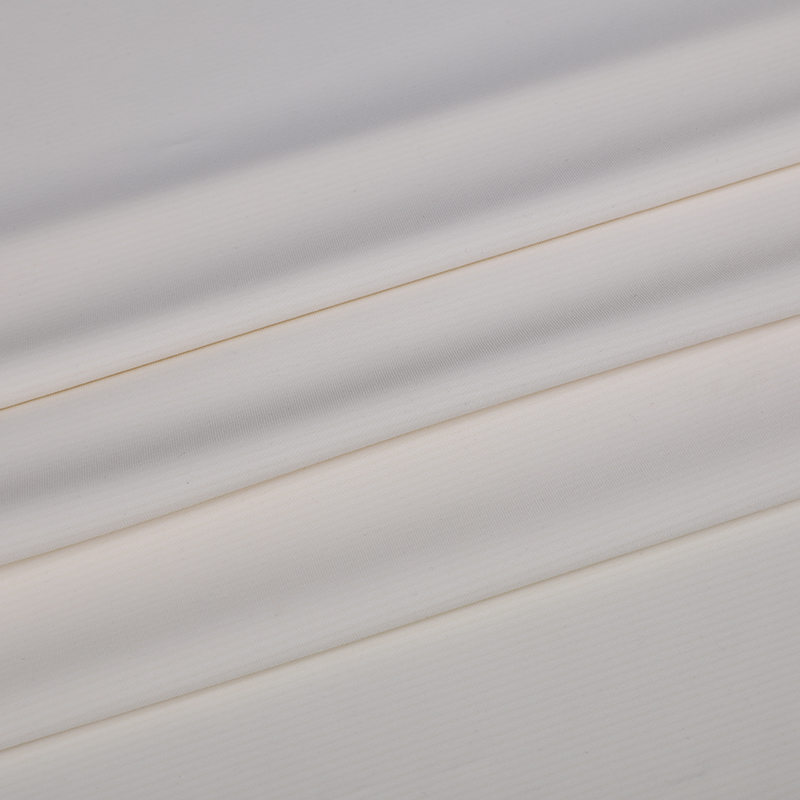
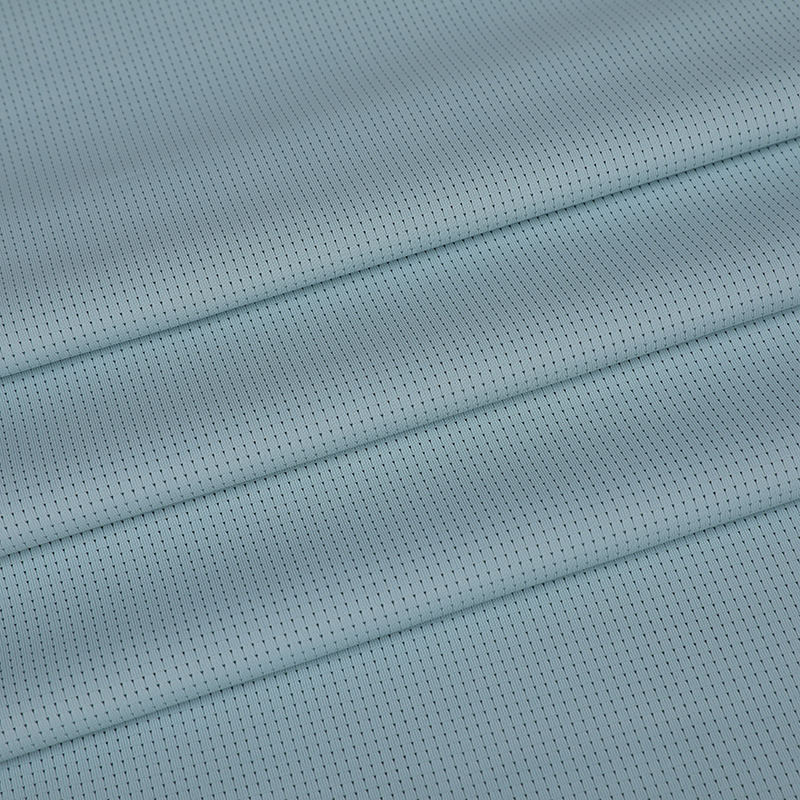
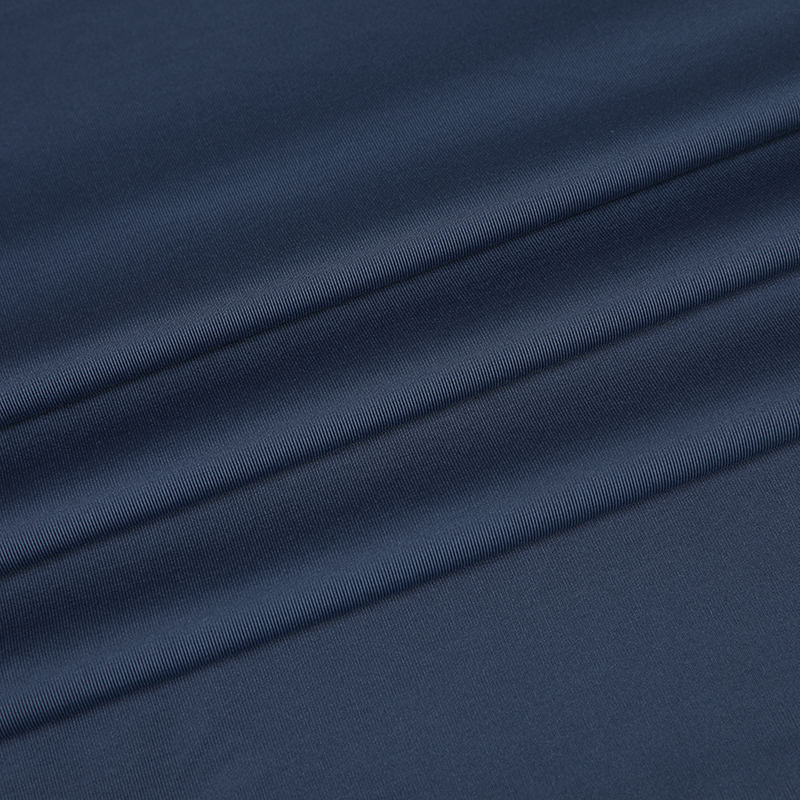
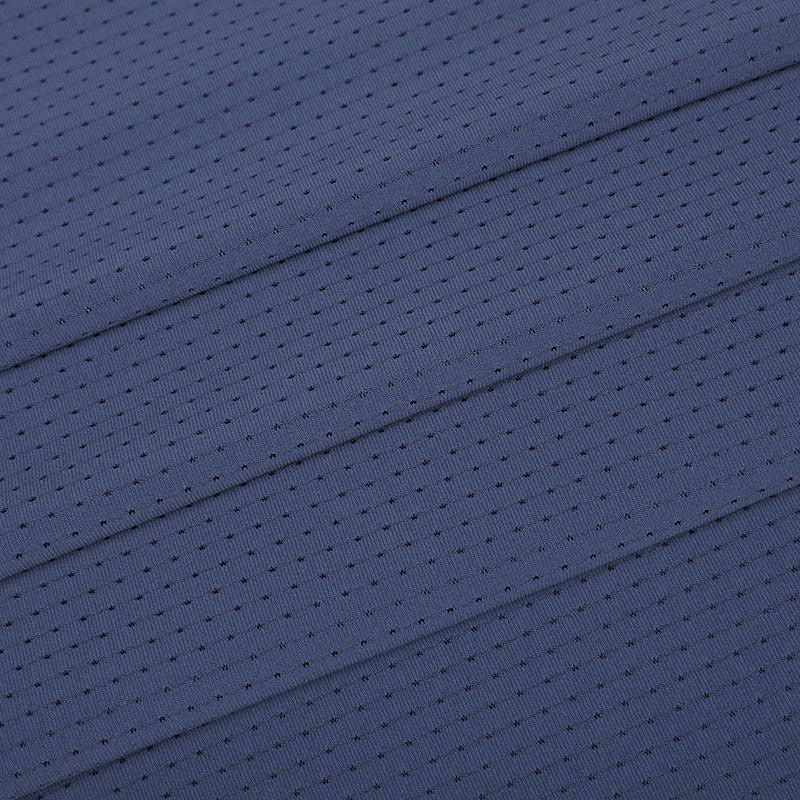
Tricot fabric is a type of knitted fabric known for its fine, smooth texture and stretchability. It is produced using a warp knitting technique, where each yarn is woven into a loop to create a dense, yet lightweight structure. This type of knit allows the fabric to stretch in both directions, making it highly flexible and suitable for dynamic activities like sports and exercise.
The key features of tricot fabric include:
- Smooth surface: Tricot fabric has a soft, silky texture that feels gentle on the skin, enhancing comfort during physical activities.
- Elasticity: The warp knit structure of tricot fabric provides stretch, ensuring a snug fit that moves with the body.
- Moisture-wicking: Tricot is engineered to wick away sweat, keeping the wearer dry and comfortable during intense workouts.
- Durability: Despite its lightweight nature, tricot fabric is highly durable, with resistance to wear and tear from repeated use.
Why Tricot Fabric Is Preferred for Sportswear
Elasticity and Flexibility
One of the primary reasons why tricot fabric is favored for sportswear is its elasticity. The warp knitting technique gives it the ability to stretch in both directions, making it ideal for activities that require a high degree of movement. Whether it’s running, cycling, or yoga, tricot fabric ensures that the garment moves with the body, providing unrestricted motion and support.
The elasticity of tricot fabric allows for garments to maintain their shape and fit, even after extended use. This is especially important for sportswear, where garments need to retain their form without losing stretch over time.
Breathability and Moisture-Wicking Properties
Performance clothing needs to keep athletes cool and dry, even during high-intensity activities. Tricot fabric’s moisture-wicking properties make it a choice for such applications. The fabric is designed to pull sweat away from the skin, allowing it to evaporate more efficiently and keeping the wearer comfortable throughout their workout.
Breathability is another key feature of tricot fabric. It allows air to circulate through the material, preventing overheating and ensuring that the skin remains cool and dry.
Comfort and Softness
Comfort is paramount when it comes to performance clothing. Tricot fabric’s smooth surface provides a soft, luxurious feel against the skin. This makes it an ideal material for close-fitting sportswear, such as leggings, sports bras, and compression garments. The fabric’s silky texture also reduces friction, minimizing the risk of irritation and chafing during prolonged physical activities.
Durability and Resistance to Wear
Tricot fabric’s durability is another significant factor that makes it a preferred choice for sportswear. Its strong, tightly-knit construction ensures that it holds up well under stress and frequent washing. This makes it a long-lasting material for athletic wear that undergoes constant movement and exertion.
Additionally, tricot fabric is resistant to pilling, which is a common issue with other knitted fabrics. This means that sportswear made from tricot fabric maintains its appearance and performance over time, even with regular use.
Applications of Tricot Fabric in Sportswear
Tricot fabric is used in a variety of sportswear applications, ranging from activewear to specialized performance clothing. Below are some common applications where tricot fabric is frequently used:
| Application | Benefits of Tricot Fabric |
|---|---|
| Sports Leggings | Provides stretch, comfort, and moisture-wicking properties for long-duration activities. |
| Sports Bras | Offers a smooth texture and breathability, with support and elasticity for active movements. |
| Compression Garments | Supports muscles and enhances blood circulation while maintaining comfort. |
| Running Shorts | Lightweight, breathable, and moisture-wicking to keep the wearer cool during intense runs. |
| Yoga Pants | Provides full flexibility and comfort for stretching and yoga poses. |
| Swimwear | Tricot’s moisture resistance and quick-drying properties make it a choice. |
Each of these applications benefits from tricot fabric’s unique properties, ensuring that athletes and active individuals remain comfortable, dry, and free to move during their activities.
Performance Benefits of Tricot Fabric
Shape Retention
Tricot fabric is known for its ability to retain its shape over time. This is particularly important in sportswear, where garments need to provide consistent support and structure. The fabric’s stretch recovery ensures that it maintains its original form after being worn and washed multiple times.
Odor Resistance
Another benefit of tricot fabric in sportswear is its natural resistance to odor. The fabric’s moisture-wicking properties help to reduce the accumulation of sweat, which is often a primary cause of unpleasant odors in activewear. As a result, tricot-based garments tend to stay fresher for longer, even after extended use during workouts.
UV Protection
Some types of tricot fabric are treated to provide UV protection, making them suitable for outdoor sports. This added layer of protection helps athletes stay safe from harmful UV rays while engaging in activities like hiking, cycling, or running.
Tricot Fabric vs. Other Fabrics in Sportswear
While tricot fabric is a choice for sportswear, it’s important to compare it to other fabrics to understand its advantages. The table below compares tricot fabric with some other common materials used in sportswear:
| Property | Tricot Fabric | Polyester | Nylon | Spandex |
|---|---|---|---|---|
| Elasticity | High | Medium | High | Very High |
| Moisture-Wicking | Excellent | Good | Good | Good |
| Breathability | High | Medium | Medium | Low |
| Durability | High | High | High | Medium |
| Comfort | Very High | Medium | High | High |
| UV Protection | Yes (some) | No | No | No |
As seen from the table, tricot fabric stands out for its combination of elasticity, moisture-wicking ability, and breathability. While polyester and nylon also offer durability, tricot fabric provides comfort and performance for high-intensity activities.
FAQ
1. What makes tricot fabric different from other types of knit fabrics?
Tricot fabric is a warp-knit fabric, which gives it a smooth surface and stretchability. Unlike weft-knitted fabrics, which stretch in only one direction, tricot offers stretch in both directions, making it more suitable for sportswear.
2. Is tricot fabric suitable for all types of sports?
Yes, tricot fabric is highly versatile and can be used in a variety of sportswear applications, from running shorts and leggings to compression garments and swimwear. Its moisture-wicking and stretch properties make it ideal for high-performance sports.
3. Can tricot fabric be used in outdoor sportswear?
Yes, some types of tricot fabric are treated to offer UV protection, making them a suitable option for outdoor activities like hiking, cycling, and running.
4. How does tricot fabric help with comfort during physical activity?
Tricot fabric provides a soft, smooth texture that feels comfortable against the skin. It also reduces friction, preventing chafing during movement and ensuring that the wearer remains comfortable throughout their workout.
5. How long does tricot fabric last?
Tricot fabric is highly durable and resistant to wear and tear. It holds up well even with frequent washing and use, making it a long-lasting option for sportswear.
Conclusion
Tricot fabric has proven to be one of the materials for sportswear and performance clothing due to its unique combination of features like elasticity, breathability, moisture-wicking properties, and durability.
CONTACT US
If you need a quote or have any questions, you can fill out the following form to contact us.

ABOUT
PRODUCT
CONTACT US
-
 West 3rd Floor, Building 5, Zone A, Hangpai Garment Industrial Park, Changan Town, Haining City, Jiaxing City, Zhejiang Province
-
 +886978217318
-
 [email protected]/[email protected]
Copyright © Haining Junrui Textile Co., Ltd. All Rights Reserved.
