


 English
 中文简体
 Español
 日本語
Submit feedback
 Home / News / Industry News / Why All Polyester Polar Fleece Fabric Is Becoming the Default Choice for Fashion Clothing Brands

Industry News
Why All Polyester Polar Fleece Fabric Is Becoming the Default Choice for Fashion Clothing Brands
2026-11-27
Choosing the Right Fleece for Modern Apparel Lines
Apparel brands that once relied on blended knits are increasingly moving toward a single-fiber fleece. Among these options, all polyester polar fleece fabric has become a practical choice for designers and sourcing teams who need softness, warmth, and consistent performance across large production runs. This guide explains what the fabric is, how its properties affect garment outcomes, and what buyers should check before placing a bulk order.
Fast fashion cycles demand materials that cut quickly, sew predictably, and hold their appearance after repeated washing. A fully polyester construction answers these needs better than many natural or blended alternatives, because it avoids shrinkage variation and dries quickly. Procurement teams also benefit from simpler dye matching and more stable lead times when a single fiber type is used across multiple styles.
What Defines Polar Fleece Made From 100 Percent Polyester
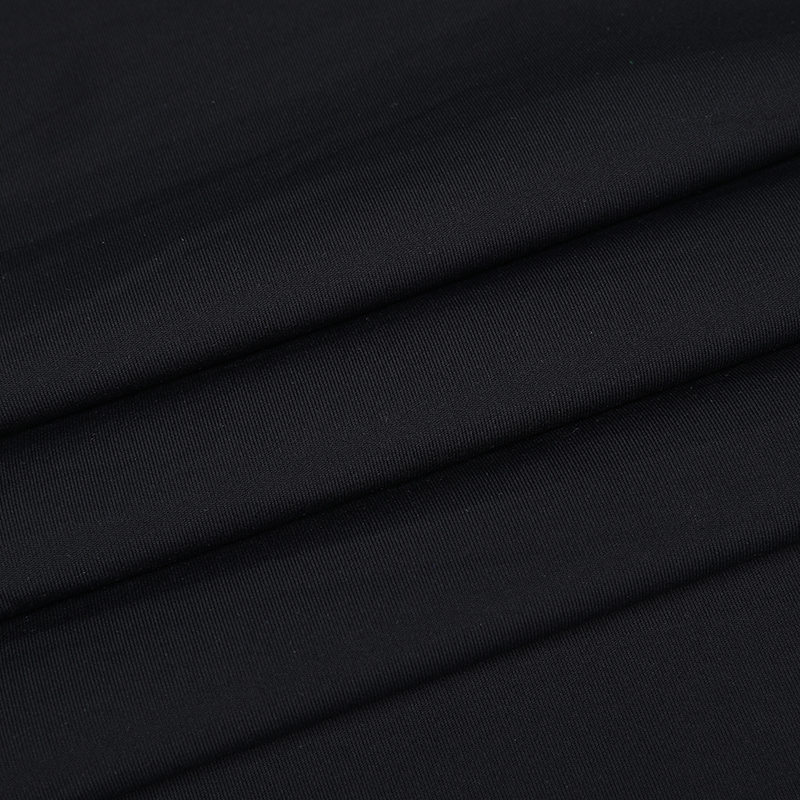
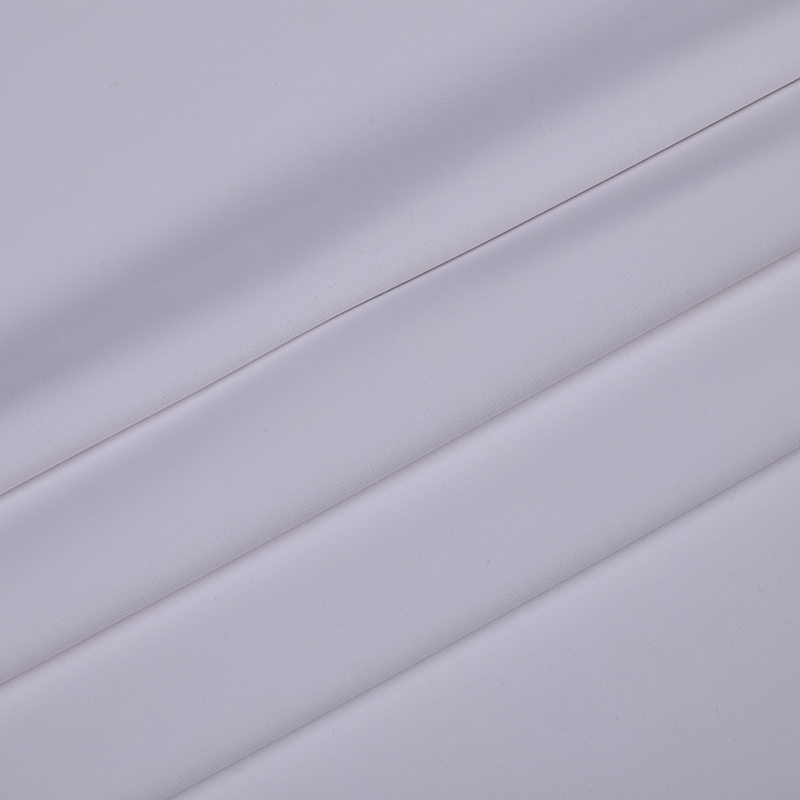
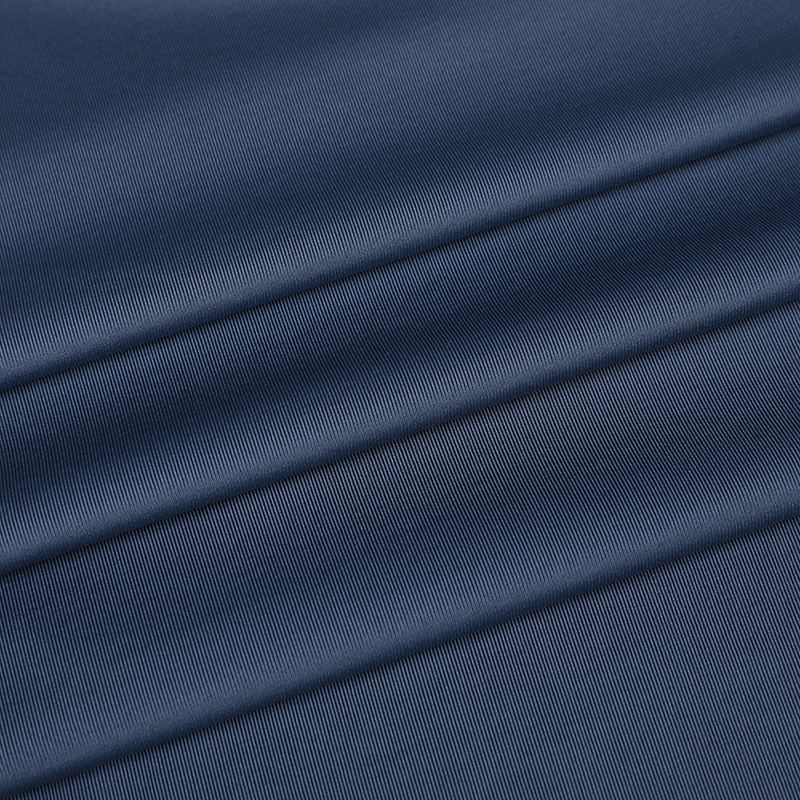
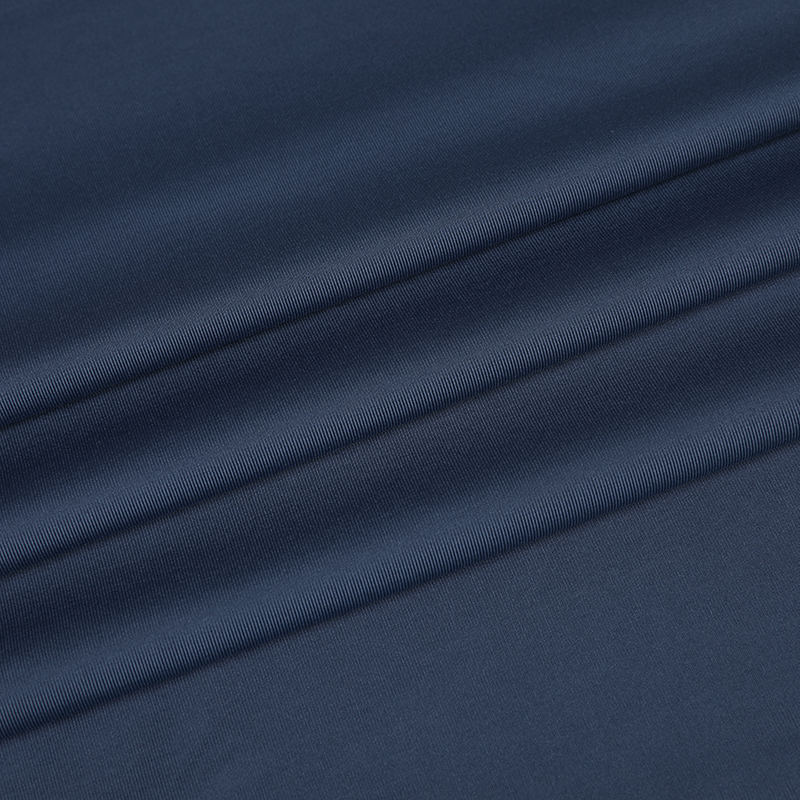
Polar fleece is a napped knit fabric in which the surface fibers are brushed to create a soft, insulating pile. When the base yarn is 100 percent polyester, the fabric gains predictable recovery, low moisture absorption, and good colorfastness. These traits make it suitable for garments that will be worn close to the body and washed frequently.
Construction and Surface Structure
Single-face and double-face brushing produce different hand feels. A single-face fleece has a plush surface on one side and a flatter knit on the other, which suits hoodies and lightweight jackets. Double-face constructions are denser and warmer, often selected for outerwear linings and premium loungewear.
| Construction | Surface Feel | Typical Use |
|---|---|---|
| Single-face brushed | Soft plush front | Hoodies, sweatshirts |
| Double-face brushed | Dense and warm both sides | Jackets, premium loungewear |
| Anti-pill finished | Smoother, reduced fiber migration | Frequently washed casualwear |
Performance Characteristics That Matter in Garment Production
Buyers usually evaluate four properties first: warmth-to-weight ratio, breathability, pilling resistance, and dimensional stability. Polyester fleece typically retains its shape after laundering better than cotton-based knits, and it dries within a short period after washing, which reduces finishing time in the factory and improves wear comfort for end users.
- Warmth without bulk: Brushed pile traps air efficiently, allowing a thin garment to deliver meaningful insulation.
- Moisture management: Hydrophobic fibers move perspiration away from the skin rather than absorbing it.
- Dimensional stability: Lower shrinkage supports consistent sizing across repeat production runs.
- Colour retention: Disperse dyeing methods deliver stable results when processed under controlled conditions.
Selecting the Right Weight for Each Clothing Category
Fabric weight, expressed in grams per square metre, is the most important specification after composition. Lighter fleece drapes well and suits layering pieces, while heavier grades provide structure for outerwear. Many apparel brands standardise on two or three weights to simplify purchasing and reduce the number of fabric SKUs in their supply chain.
180 to 220 GSM
Lightweight Layering
Suited to casual tops, mid-layer pullovers, and lightweight loungewear where breathability matters most.
230 to 280 GSM
Core Hoodie Weight
The most common range for hoodies and sweatshirts, balancing warmth, drape, and cost efficiency.
290 to 320 GSM
Heavy Outerwear
Used in fleece jackets and vests where thickness and wind resistance are expected by end consumers.
Where Polyester Polar Fleece Fits in Fashion Collections
The versatility of this fabric allows it to appear across many product categories within a single brand portfolio. Designers often use it as a base material for seasonal drops, capsule collections, and everyday basics. The following applications represent the most frequent uses in current apparel production.
- Casual hoodies and sweatshirts: The fabric holds its shape through repeated wear and accepts screen printing and embroidery well.
- Loungewear sets: Soft hand feel and quick drying make it suitable for comfort-focused product lines.
- Fleece jackets and vests: Used both as outer shell layers and as insulating linings in combination with woven fabrics.
- Children and seasonal collections: Easy care and colour stability reduce complaints from parents and retail buyers.
For brands that also offer premium textures, a complementary option is all polyester polar fleece fabric in heavier constructions, which can be paired with sherpa-style pile for contrast panels and collar details.
Custom Development Options for Apparel Buyers
Many fashion brands need more than a standard catalogue fabric. Custom development allows buyers to align fleece performance with brand identity, target price points, and the functional requirements of specific garment styles. Discussing these options early in the design phase usually shortens sampling time and reduces revision cycles.
Weight, Colour, and Surface Finish
Weight can be tuned to within a narrow tolerance, and colour can be matched to approved standards through lab dips and approval swatches. Surface finishing options such as anti-pilling treatment, anti-static processing, or water-repellent coating can be added depending on the intended end use.
Sustainability Pathways
Brands with environmental commitments often request recycled polyester content or certified fibre traceability. Recycled constructions can be produced to match the visual and tactile qualities of virgin material, allowing sustainability goals to be met without sacrificing performance.
Sampling Before Bulk Production
A structured sampling process typically includes a technical brief, a development swatch, a pre-production sample, and a final approval submission. Each stage gives the buyer an opportunity to verify hand feel, shrinkage, colour fastness, and seam performance before committing to volume.
01
Brief and specification
02
Development swatch
03
Pre-production sample
04
Final approval
05
Bulk production
Certifications and Quality Control Checkpoints
Certifications help apparel brands demonstrate compliance with export markets and sustainability frameworks. Two standards are frequently requested in fleece sourcing: a recycled content standard that verifies material origin and processing, and a supply chain assessment tool used to evaluate environmental and social performance across production sites.
Quality control is most effective when it begins with raw material inspection and continues through dyeing, knitting, finishing, and final roll inspection.
A reliable quality system typically checks yarn consistency, fabric density, pilling grade, colour fastness to washing and rubbing, and dimensional change after laundering. Documenting these results for each lot gives buyers traceable records for audits and retail compliance reviews.
Practical Sourcing Checklist for Fleece Buyers
Before issuing a purchase order, buyers should confirm several technical points that directly affect garment performance and customer satisfaction. The table below summarises the most important checks.
| Check Item | Target Standard | Why It Matters |
|---|---|---|
| Fabric weight | Within 5 percent of spec | Affects warmth and garment cost |
| Pilling resistance | Grade 4 or higher | Maintains appearance after washing |
| Colour fastness | Grade 4 or higher | Prevents staining and fading |
| Dimensional change | Within agreed tolerance | Protects size consistency |
| Certification scope | Matches target markets | Supports export compliance |
Buyers should also request a physical sample from the same production line that will supply bulk orders. Lab results on a development swatch do not always predict behaviour in full production, so a pre-shipment check remains a sound investment.
Frequently Asked Questions About Polyester Polar Fleece for Apparel
Q1: What garments are most commonly made from all polyester polar fleece fabric?
Hoodies, sweatshirts, loungewear sets, fleece jackets, vests, and children's outerwear are the most common categories. The fabric's warmth, softness, and easy care make it useful across both casual and seasonal product lines.
Q2: How does polyester fleece compare with sherpa-style fleece for fashion clothing?
Standard polar fleece has a flatter, more uniform pile and is generally easier to cut and sew at volume. Sherpa-style fabric has a deeper, curly pile that suits textured looks. Many brands use both, with polar fleece as the main body and sherpa as a contrast detail.
Q3: What GSM range should I choose for a fleece hoodie?
Most hoodies perform well between 230 and 280 GSM. Lighter weights suit warm-weather layering, while heavier weights give a more structured silhouette and greater insulation.
Q4: Can polyester polar fleece be made with recycled content?
Yes. Recycled polyester versions can be produced with verified recycled content and matched to the visual and tactile qualities of virgin fabric, provided the supplier maintains proper traceability documentation.
Q5: How long does sampling usually take before bulk production?
Timelines vary with complexity, but a typical sequence of development swatch, pre-production sample, and approval can take several weeks. Early communication about weight, colour, and finishing requirements helps shorten this period.
Next Steps for Sourcing Polyester Polar Fleece
Selecting a fleece fabric is a decision that affects product quality, production efficiency, and customer satisfaction for an entire season. By clarifying weight, finish, certification needs, and sampling expectations early, apparel teams can move from concept to bulk production with fewer surprises. Buyers who require tailored specifications can discuss their development needs with a manufacturer directly to begin the sampling process.



CONTACT US
If you need a quote or have any questions, you can fill out the following form to contact us.

ABOUT
PRODUCT
CONTACT US
-
 West 3rd Floor, Building 5, Zone A, Hangpai Garment Industrial Park, Changan Town, Haining City, Jiaxing City, Zhejiang Province
-
 +886978217318
-
 [email protected]/[email protected]
Copyright © Haining Junrui Textile Co., Ltd. All Rights Reserved.
