


 English
 中文简体
 Español
 日本語
Submit feedback
 Home / News / Industry News / What Makes High Stretch Brocade Fabric for Swimwear Different and How to Source It Well

Industry News
What Makes High Stretch Brocade Fabric for Swimwear Different and How to Source It Well
2026-11-06
Why Swimwear Brands Are Turning to Jacquard Textures
Swimwear design has moved well beyond plain solid colors. Brands now look for surface richness, sculpted textures and patterns that stay sharp after repeated wear. Yet the garment must still meet the demanding physical conditions of swimming: constant stretch, chlorinated water, sun exposure and frequent washing. Meeting both sets of requirements is the core challenge that high stretch brocade fabric for swimwear is designed to solve.
Standard knit fabrics can deliver stretch, but they often lack the dimensional texture that designers want. Printed fabrics offer pattern variety, yet the color sits on the surface and can fade or crack over time. Woven or jacquard structures, by contrast, build the pattern directly into the fabric, so the design remains visible even after many cycles of stretching and recovery.
This guide explains what defines a swimwear-grade brocade, which performance properties matter most, how to read a technical specification sheet, and what questions to ask a supplier before placing an order. Each section is written from the viewpoint of a sourcing professional who needs reliable, repeatable results from a production run.
What Is High Stretch Brocade Fabric for Swimwear?
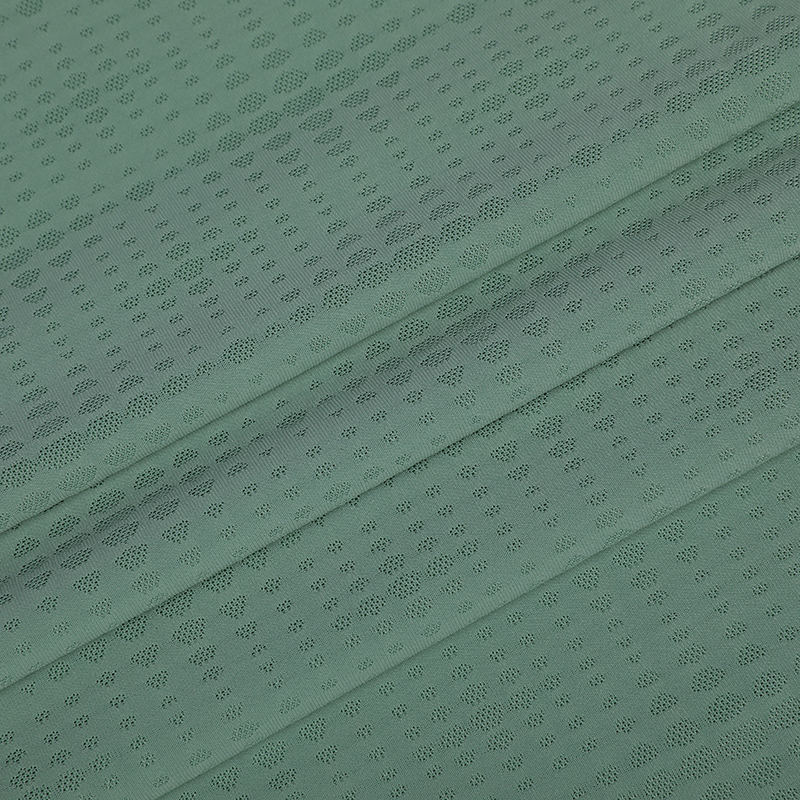
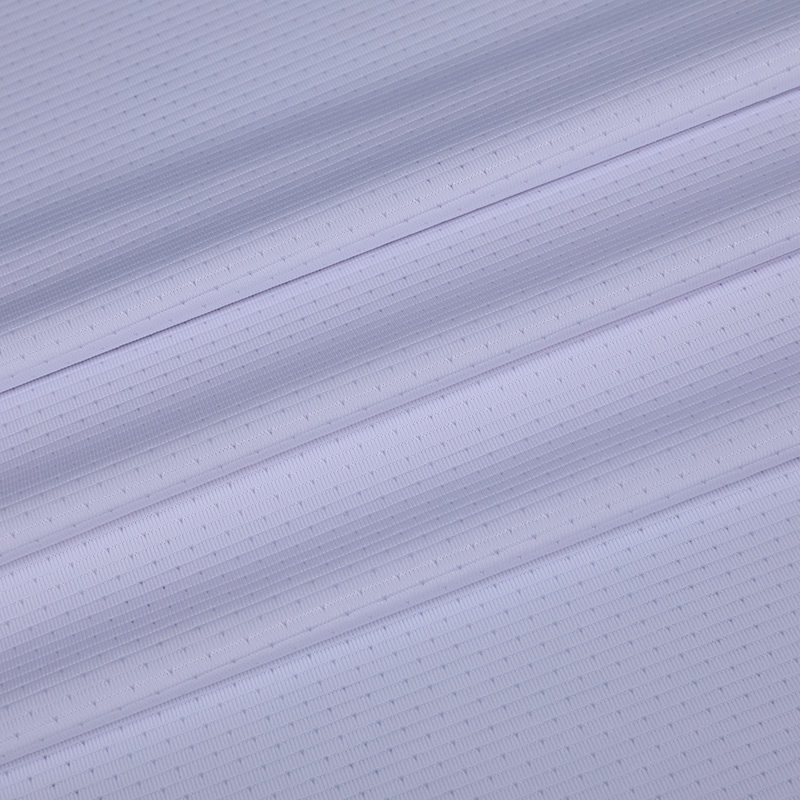
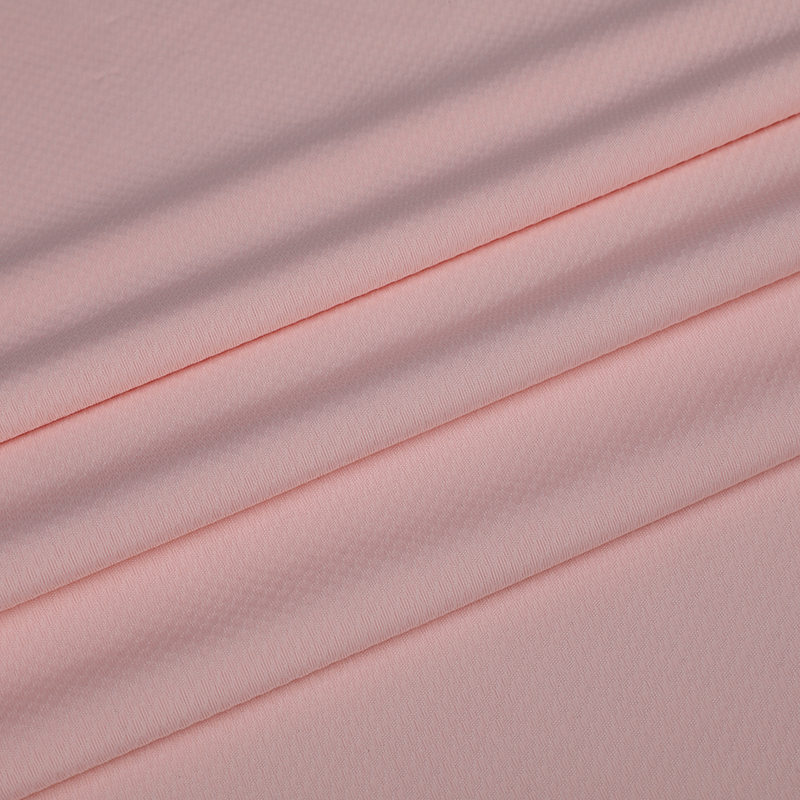
Brocade is a richly patterned woven or jacquard fabric in which the design is formed by selectively lifting warp threads during weaving. In decorative home textiles, brocade is often made with stiff, non-elastic yarns. A swimwear version is engineered differently: it combines a nylon base with spandex, usually in the range of around 15 to 20 percent elastane, so the fabric can stretch in multiple directions and return to its original shape.
The most common construction for this category is a four-way stretch structure. Stretch runs both lengthwise and crosswise, which allows the fabric to follow body movement without bagging or distorting the pattern. A four-way stretch brocade is especially suited to 4-way stretch brocade fabric for bikini swimwear, where the garment is cut close to the body and must hold its shape during active use.
Key distinction: A jacquard pattern is woven into the structure, while a printed pattern is applied to the surface. In swimwear, this difference determines how well the design survives chlorine exposure, friction and repeated stretching.
Using a standard decorative brocade for swimwear usually leads to problems. Non-elastic yarns cause the fabric to feel stiff, reduce comfort, and fail to recover after stretching. The result is a garment that loses its fit within a few wears.
Key Performance Benefits for Swimwear Production
Buyers evaluating this fabric typically focus on five performance areas. Each one connects directly to garment fit, durability and customer satisfaction.
Strong Four-Way Stretch and Elastic Recovery
A well-constructed swimwear brocade should stretch comfortably in every direction and return to its original length. Industry test methods usually measure recovery after a set number of stretch cycles. Fabrics that retain most of their dimension after repeated cycles keep the garment snug for longer, which is a key factor in customer repeat purchases.
Pattern Retention After Stretching
Because the design is woven in, the motif should remain clear when the fabric is pulled and released. Sourcing teams should look for samples that show minimal distortion of the pattern under tension. Tight, well-balanced weave structures generally perform better than loose ones.
Chlorine Resistance and Quick-Drying Behavior
Swimwear is regularly exposed to pool water with high chlorine levels. The fabric should maintain color and elasticity after repeated exposure to chlorinated water. Nylon-based constructions dry faster than heavier cotton blends, which improves comfort between swims and reduces the time garments stay damp.
Matte and Glossy Finish Options
Finish strongly influences the visual identity of a collection. Matte surfaces give a soft, premium look that suits minimalist and resort-style lines. Brighter or more reflective finishes work well for performance-oriented or high-fashion designs. Many manufacturers can adjust the finish during production, so the choice should be made early in the development process.
Recycled and Certified Material Options
Brands with sustainability commitments often require recycled content. Recycled nylon can be used in place of virgin yarn, provided the supplier can document the material chain. Certifications covering recycled content and social or environmental practices help buyers meet their own reporting obligations.
Technical Specifications Buyers Should Compare
Quantifiable parameters make it possible to compare offers objectively. Vague descriptions such as soft or high quality are not enough to judge a fabric. The table below lists the specifications most commonly requested in a quotation.
| Parameter | Typical Range | Why It Matters |
|---|---|---|
| Composition | Nylon with spandex, or recycled nylon with spandex | Determines stretch, recovery and chlorine tolerance |
| Weight | 180 to 220 GSM | Affects opacity, lining needs and garment drape |
| Width | 150 to 160 cm | Influences cutting efficiency and fabric waste |
| Finish | Matte or bright, customizable | Sets the visual character of the collection |
| Minimum Order | Custom color and sample quantities | Impacts cost planning for new designs |
Once specifications are agreed, the supplier should confirm them in writing. Any change in yarn count, weave density or finish after sampling can alter stretch behavior, so approved samples should be treated as a reference standard for bulk production.
For buyers comparing multiple options, reviewing the full high stretch brocade fabric for swimwear range can help match a specific weight, width and finish to a design brief.
Typical Applications in Swimwear Design
High stretch brocade suits a wide range of garment types. The fabric works best where texture is part of the design and the garment must fit closely.
- Bikini sets: Structured texture on triangle tops and bottoms without loss of fit.
- One-piece swimsuits: Sculpting panels that rely on fabric recovery for shaping.
- Beachwear and cover-ups: Textured layers that stay opaque and hold their form in the sun.
- Active-swim hybrids: Garments designed for both sport and leisure use.
- Capsule collections: Limited runs where a distinctive surface sets the line apart.
How to Source High-Quality Fabric Effectively
A structured sourcing process reduces the risk of fit problems, color mismatch and delayed deliveries. The following four checkpoints cover the most common areas where orders go wrong.
Step 1: Review Stretch Recovery and Chlorine Test Data
Ask for laboratory data on stretch recovery and chlorine resistance rather than relying on verbal assurances. Compare results across suppliers using the same test conditions.
Step 2: Confirm Certifications for Sustainable Projects
If your brand publishes sustainability targets, confirm that the supplier holds certifications covering recycled content and environmental management. Request current certificates and check their validity dates.
Step 3: Verify Customization Capability
Confirm that the mill can adjust pattern scale, color, and fiber blend within your required timeframe. Ask for examples of previous custom runs of similar complexity.
Step 4: Clarify Lead Times and Minimum Orders
Establish sample turnaround, bulk minimum order quantity and production lead time before committing to a schedule. Build in buffer time for a second sampling round, since most first samples require minor adjustments.
Practical tip: Request a physical swatch and wash it under chlorinated conditions before approving a bulk order. A few days of testing can prevent costly returns later.
Choosing a Supplier for Long-Term Partnership
Beyond individual fabric quality, a reliable supplier offers consistency across seasons. Buyers often evaluate a mill on five factors:
- Ability to customize weave, color and finish to a brief
- Documented quality control at each production stage
- Stable capacity for repeat bulk orders
- Responsive sampling and clear communication
- Experience shipping to the markets where your brand sells
A supplier that meets these criteria can support a brand from first sample through repeat seasons, reducing the need to re-qualify materials each time a collection is updated.
Frequently Asked Questions
Q1: Is brocade fabric suitable for swimwear?
Yes, provided it is a swimwear-grade construction with nylon and spandex content. Standard decorative brocade lacks the elasticity and chlorine resistance needed for swimming garments.
Q2: Can high stretch brocade for swimwear be made with recycled yarn?
Many suppliers can use recycled nylon in place of virgin yarn. Buyers should request documentation of the recycled content and confirm that stretch and color performance match the standard version.
Q3: What affects the minimum order quantity for custom fabric?
Minimum order quantities depend on the complexity of the weave, the number of colors and whether the design requires new yarn dyeing. Custom colors usually carry higher minimums than stock options.
Q4: Does this type of fabric support a matte finish?
Matte finishing is available on many swimwear-grade brocades. Buyers should confirm the finish on a physical sample before approving bulk production, since surface appearance can vary with dye lot and finishing process.
Final Thoughts on Sourcing Swimwear Brocade
High stretch brocade offers swimwear designers a way to combine texture, pattern and fit in a single material. Its performance depends on careful construction, verified stretch recovery, chlorine resistance and a supplier who can deliver consistent results across production runs. By comparing specifications objectively, testing samples under real conditions and confirming certifications early, buyers can build collections that look distinctive and hold their shape season after season. To review available options or request a quotation and physical swatches, visit the high stretch brocade fabric for swimwear page.

CONTACT US
If you need a quote or have any questions, you can fill out the following form to contact us.

ABOUT
PRODUCT
CONTACT US
-
 West 3rd Floor, Building 5, Zone A, Hangpai Garment Industrial Park, Changan Town, Haining City, Jiaxing City, Zhejiang Province
-
 +886978217318
-
 [email protected]/[email protected]
Copyright © Haining Junrui Textile Co., Ltd. All Rights Reserved.
