


 English
 中文简体
 Español
 日本語
Submit feedback


Industry News
What Is Weft Knitting Fabric and How Should You Choose the Right One?
2026-11-13
Defining Weft Knitting Fabric in Plain Terms
A weft knitting fabric is produced when yarn travels across the width of the cloth and forms loops row by row. Each row is created by one yarn or a small group of yarns moving horizontally, so the loops within a row connect in a single continuous line. This construction gives the material its characteristic stretch, softness and drape, and it forms the basis of many T-shirts, underwear items, sportswear pieces and everyday knitwear.
Because the loops interlock sideways, the fabric can extend across its width more easily than woven cloth and return to its original shape once tension is released. Designers choose it when comfort against the skin and freedom of movement matter more than rigid structure. The same principle works across a broad weight range, from fine lightweight jerseys for summer tops to dense double-faced constructions for cool-weather layers.
How Weft Knitting Is Produced
Weft knitting machines carry one or more needle beds arranged in a horizontal line. Yarn is drawn from cones or packages, passes through feeders and is pulled into new loops by the needles. Those loops are then drawn down and wound onto a take-down roller while the next row forms above them. Because the process runs continuously, weft knitting is well suited to large production runs with consistent results.
A typical production sequence follows five stages:
- Yarn is prepared on creels and tensioned to a consistent level.
- Feeders deliver yarn to the needle bed at a controlled rate.
- Needles draw new loops through the previous ones to form each row.
- The greige fabric is taken down at a steady speed to keep loop size uniform.
- The fabric is relaxed, dyed, finished and inspected before cutting.
Weft Knitting Versus Warp Knitting
The most frequent question about this material concerns the difference from warp knitting. The distinction lies in the direction of loop formation. In weft knitting, loops form across the width of the fabric. In warp knitting, many yarns run lengthwise and form loops together along the length. This difference influences stretch, production economics and the garments each method serves best.
| Feature | Weft knitting | Warp knitting |
|---|---|---|
| Loop direction | Across the width | Along the length |
| Typical stretch | High, mainly crosswise | Lower and more stable |
| Yarn usage | One or a few yarns per row | Many yarns running at once |
| Production pattern | Efficient for large lots | Efficient for long, stable runs |
| Common uses | T-shirts, underwear, sportswear | Lace, technical mesh, home textiles |
When Each Method Makes Sense
Weft knitting is usually the better choice for garments that must conform to the body and move with it. Warp knitting is often selected for structures that need precise dimensional stability, such as certain meshes and lace patterns. Product developers commonly begin by defining the stretch and recovery the finished garment requires, then choose the knitting direction that delivers those properties most economically.
Key Properties and What They Mean in Practice
Understanding the main properties of weft knit fabric helps teams predict how a garment will behave after cutting, sewing and several washing cycles. Each property connects to a practical outcome that affects both comfort and durability.
- Crosswise stretch: The open loop structure allows the fabric to extend under body movement, which suits active clothing.
- Recovery: Good elastic recovery returns the fabric to its original size, preventing bagging at the knees and elbows.
- Softness: Loop-based surfaces feel gentle against the skin, especially when fine yarns are used.
- Drape: Knit structures fall naturally, making them suitable for dresses, tunics and relaxed tops.
- Ventilation: Open spaces between loops allow air to move, improving comfort in warm conditions.
Stretch alone does not guarantee good performance. A fabric that extends widely but recovers slowly will lose its shape after a few wears, so stretch and recovery should always be evaluated together.
Common Garment Applications
Each application places different demands on the fabric. The right construction depends on how much stretch the garment needs, how the fabric will be worn and how often it will be laundered.
Sportswear
Fabrics with added elastane support a full range of motion in running tops, training shorts and yoga wear.
Casual Tops
Fine single jersey offers softness and breathability for T-shirts and polo shirts worn throughout the day.
Trousers and Leggings
Interlock and double-faced structures provide coverage, a smooth outer face and resistance to bagging.
Intimate Apparel
Light, soft knits with controlled elasticity deliver comfort and gentle shape support against the body.
Designers often pair these fabrics with specific trims, seam types and finishing methods to refine the final result. Testing a prototype garment under realistic wear conditions remains the most reliable way to confirm that a fabric is suitable.
Common Structures Within Weft Knitting
Weft knitting covers a family of structures, each with its own balance of weight, surface and elasticity. Recognizing these differences makes it easier to communicate requirements clearly with a manufacturer.
- Single jersey: The simplest structure, light and smooth on the face, with a tendency to curl at the edges.
- Rib: Alternating face and reverse loops create high elasticity, commonly used for cuffs and necklines.
- Interlock: Two jersey layers locked together produce a dense, stable fabric with a smooth surface on both sides.
- Double-faced: A stable, warm construction often chosen for trousers and layering pieces.
- Jacquard: Patterns are created during knitting by selecting needles, adding design directly into the structure.
- Terry: Loops on one side provide absorbency, frequently used in towels and certain sports garments.
Structure is often more important than fiber when a garment must hold its shape. Two fabrics with identical composition can perform very differently once the loop geometry changes.
Choosing the Right Weft Knitting Fabric
Buyers and designers usually narrow their options by reviewing five specifications together. Evaluating one property in isolation often leads to a fabric that performs poorly once it becomes part of a finished garment.
- Fiber composition: Polyester contributes dimensional stability and quick drying, nylon adds smoothness and abrasion resistance, cotton provides moisture absorbency and elastane adds recovery.
- Weight in grams per square meter: Lightweight constructions commonly fall in the range of roughly 120 to 160, mid-weight fabrics in the range of 160 to 220, and heavy structures above 240.
- Stretch and recovery: Both should be tested in the width and length directions, and the garment pattern should state the elongation the design requires.
- Surface finish: Brushed, sueded, printed or plain surfaces each change hand feel, print quality and visual appearance.
- Compliance: The fabric should meet the chemical and safety regulations of the destination market, with documentation available on request.
The table below offers a general reference for matching weight classes to typical garments.
| Weight class | GSM range | Typical use |
|---|---|---|
| Lightweight | 120 to 160 | Summer tops, linings |
| Mid-weight | 160 to 220 | T-shirts, leggings, dresses |
| Heavy | Above 240 | Trousers, outerwear layers |
Quality Control and Testing Expectations
Reliable weft knit production depends on consistent loop formation and disciplined testing at each stage. Clear acceptance criteria protect both the supplier and the buyer, and they reduce disputes once bulk production begins.
- Shrinkage after laundering is typically kept low, with five percent or less a common target for garment dimensions.
- Colorfastness to washing and rubbing is often assessed on a grey scale, where grade 4 or above is widely expected for apparel.
- Pilling resistance is measured through standard abrasion procedures, with higher grades indicating better surface durability.
- Dimensional recovery is checked after repeated stretching cycles to confirm that the fabric keeps its shape over time.
- Visual inspection screens for holes, streaks and yarn faults at both the greige and finished stages.
Ask for test reports for each production lot rather than relying only on a sample swatch. Lot-level data shows whether the approved standard is being maintained through the full run.
Care and Long-Term Performance
A weft knit garment is only as good as its performance after months of wear and repeated washing. Fiber blend, loop tension and finishing all influence how the fabric responds to heat, agitation and drying. Polyester-based constructions generally hold their dimensions well and dry quickly, while fabrics containing cotton may relax more and require gentler handling.
Elastane content deserves particular attention. Heat exposure during drying can reduce recovery over time, so care labels should recommend low-temperature drying for elastic garments. Designers who communicate these instructions clearly help customers keep garments comfortable and shaped for longer, which strengthens the reputation of the entire product line.
Working With a Fabric Manufacturer
A clear brief shortens development time when sourcing weft knit fabric. Include the target composition, weight, stretch requirement, intended garment type, expected order volume and any finishing or certification needs. Manufacturers with integrated knitting, dyeing and finishing capabilities can usually adjust structure and hand feel more efficiently than those working with outsourced steps.
- Share a written specification along with a reference garment or photograph.
- Request a sample swatch and a lab dip for color approval.
- Test the swatch for stretch, recovery, shrinkage and weight against the specification.
- Approve a pre-production sample before bulk production begins.
- Agree on lot testing, packing requirements and delivery schedules in writing.
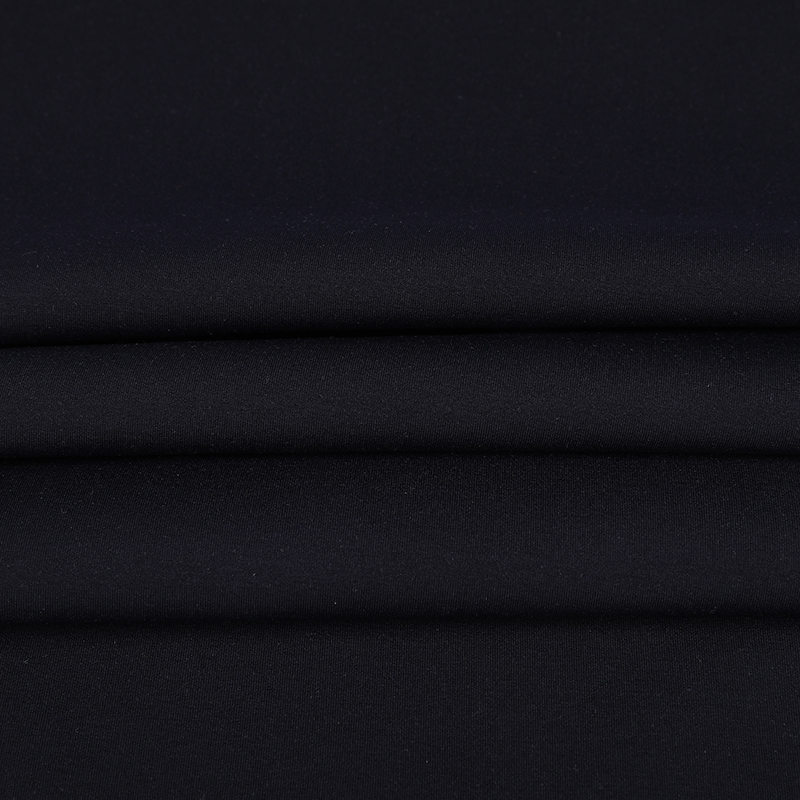
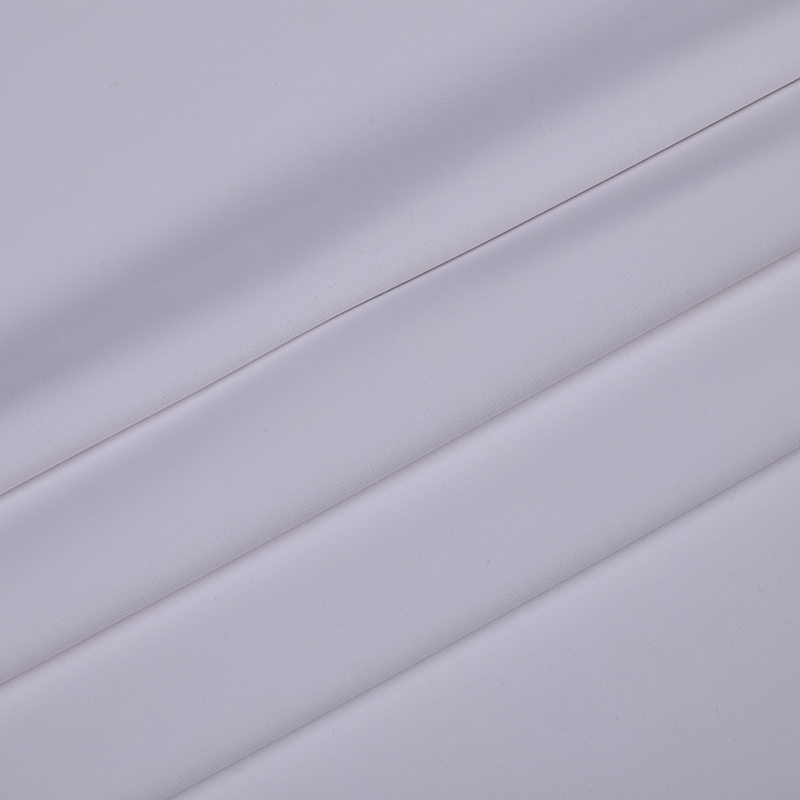
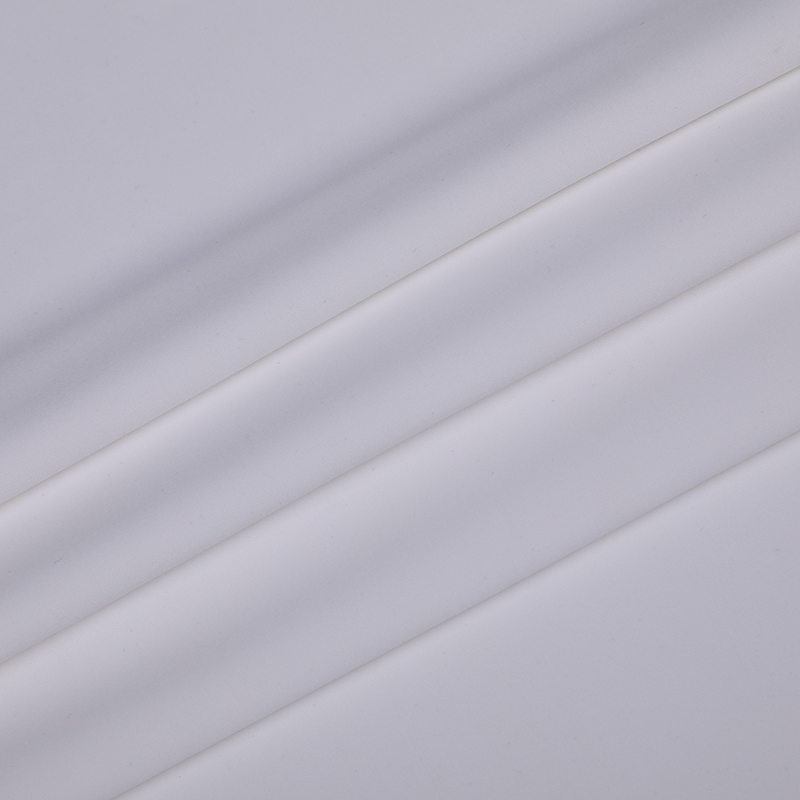
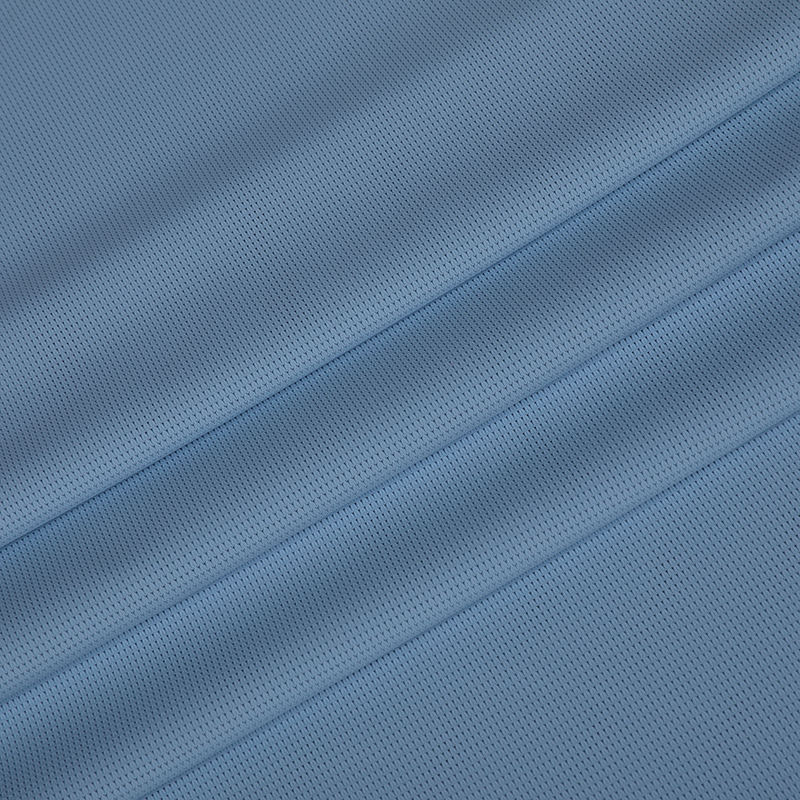
Comparing blends before requesting samples can save time. Reviewing the polyester spandex weft knit fabric options helps clarify which combinations of fiber and structure match your garment concept.
Frequently Asked Questions
Q1: Is weft knitting fabric always stretchy?
Most weft knit fabrics stretch across the width, but the amount depends on structure, yarn type and whether elastane is included. A plain jersey without elastane stretches less than a rib structure or an elastane blend.
Q2: What is the difference between weft knit and single jersey?
Single jersey is one of the basic weft knit structures, produced with one set of needles. Weft knit is the broader category that includes single jersey, rib, interlock, double-faced and jacquard constructions.
Q3: Can weft knitting fabric be customized?
Yes. Composition, weight, width, hand feel and surface finish can all be adjusted within the limits of the machine setup and yarn availability. Clear specifications help the manufacturer propose practical options quickly.
Q4: How long does fabric development usually take?
Timelines depend on complexity. A typical cycle includes swatch sampling, laboratory testing and pre-production approval. Agreeing on the schedule early in the project reduces the risk of delays during bulk production.
If you are planning a new range, start by writing a short specification that covers composition, weight, stretch, finish and intended garment type. A clear brief allows any supplier to respond with practical structure options and realistic development steps.
CONTACT US
If you need a quote or have any questions, you can fill out the following form to contact us.

ABOUT
PRODUCT
CONTACT US
-
 West 3rd Floor, Building 5, Zone A, Hangpai Garment Industrial Park, Changan Town, Haining City, Jiaxing City, Zhejiang Province
-
 +886978217318
-
 [email protected]/[email protected]
Copyright © Haining Junrui Textile Co., Ltd. All Rights Reserved.
