


 English
 中文简体
中文简体 Español
 日本語
日本語Submit feedback


Industry News
What is the Best Sports Fabric? Polyester vs. Nylon vs. Spandex
2026-06-19
Direct Answer: Which Sports Fabric Is Best?
There is no single "best" sports fabric—the optimal choice depends entirely on the activity. For sweat-heavy cardio and high-intensity training, polyester delivers superior moisture-wicking and quick-drying performar nce. For strength training, yoga, and compression wear, nylon offers exceptional durability, abrasion resistance, and a softer hand feel. Spandex is never used alone; it is the essential stretch component blended into both polyester and nylon to provide elasticity and shape recovery.
The most effective sportswear fabrics are always blends. A typical running shirt might be 88% polyester with 12% spandex, while premium leggings often use 75–80% nylon with 20–25% spandex. The blend ratio determines the fabric's balance of moisture management, durability, stretch, and comfort.
Understanding the Three Core Fibers
Polyester — The Moisture Management Workhorse
Polyester is the most widely used fiber in performance sportswear. It is lightweight, durable, breathable, and inherently non-absorbent, meaning it does not hold onto moisture. Instead, polyester fibers are engineered to wick sweat away from the skin and spread it across the fabric surface for rapid evaporation.
- Moisture-wicking: Excellent—draws sweat away from skin and dries quickly
- Durability: High—resists stretching, shrinking, and wrinkling
- UV resistance: Good—repels UV rays naturally
- Best for: Running, HIIT, cardio, team sports, and outdoor training
However, polyester has lower moisture absorption than nylon and can feel less premium against the skin without proper blending.
Nylon — The Durability and Comfort Specialist
Nylon (polyamide) is known for its exceptional strength, abrasion resistance, and smooth, soft hand feel. It is significantly stronger and more elastic than polyester, making it the preferred choice for sportswear where durability is non-negotiable.
- Durability: Very high—excellent abrasion resistance and structural integrity
- Hand feel: Softer, silkier, and more premium than polyester
- Moisture management: Good—slightly better absorption than polyester
- Best for: Leggings, yoga wear, compression garments, strength training apparel
Nylon absorbs more water than polyester and takes longer to dry, which can impact comfort in wet environments. It is also generally more expensive due to raw material costs.
Spandex — The Stretch and Recovery Engine
Spandex (elastane) is the key to stretch and recovery in sportswear. It can stretch 500–800% of its original length and recover up to 95%, returning nearly to its original shape after being stretched. Spandex is never used alone; it is blended with polyester or nylon to add elasticity, improve fit, and prevent sagging.
- Stretch capacity: Extremely high—4-way stretch (lengthwise and crosswise)
- Recovery rate: Up to 95%—prevents bagging and maintains shape
- Blend percentage: Typically 5–25% of the total fabric composition
- Best for: Compression garments, yoga pants, sports bras, swimwear, and any fitted activewear
Single Side Sportswear Fabric
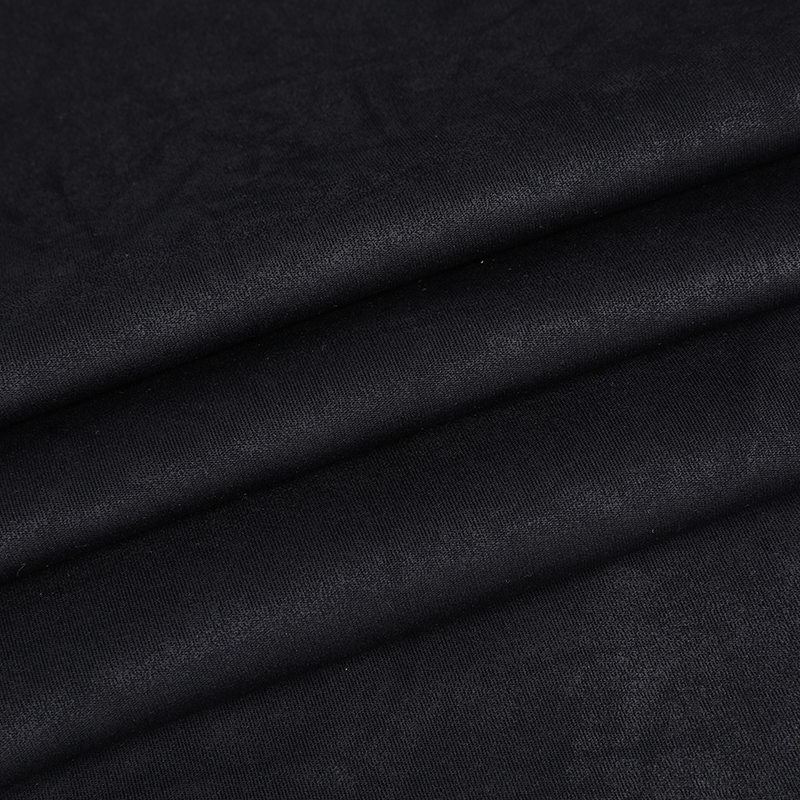
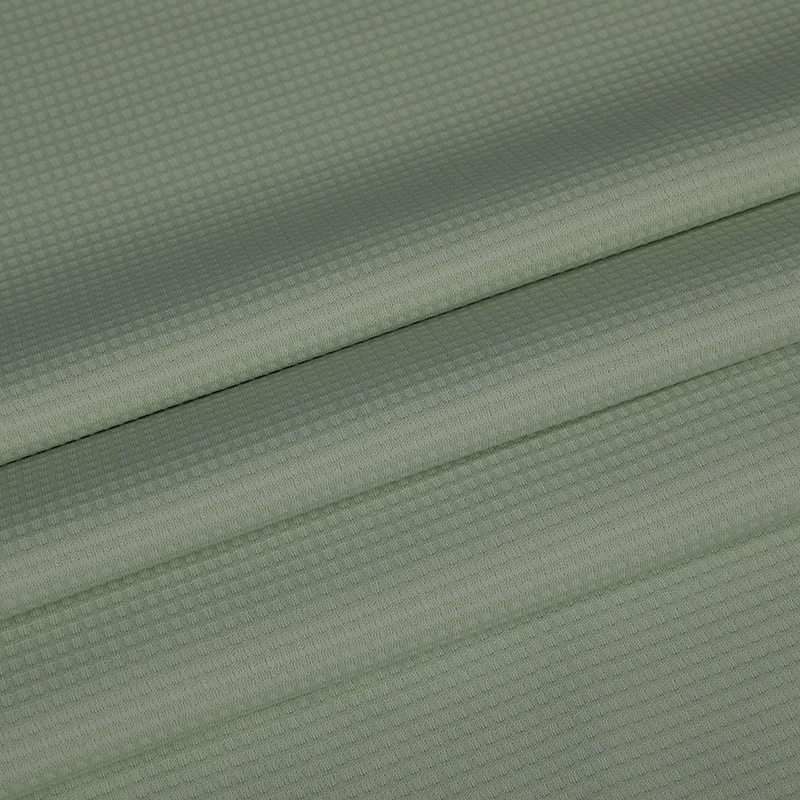
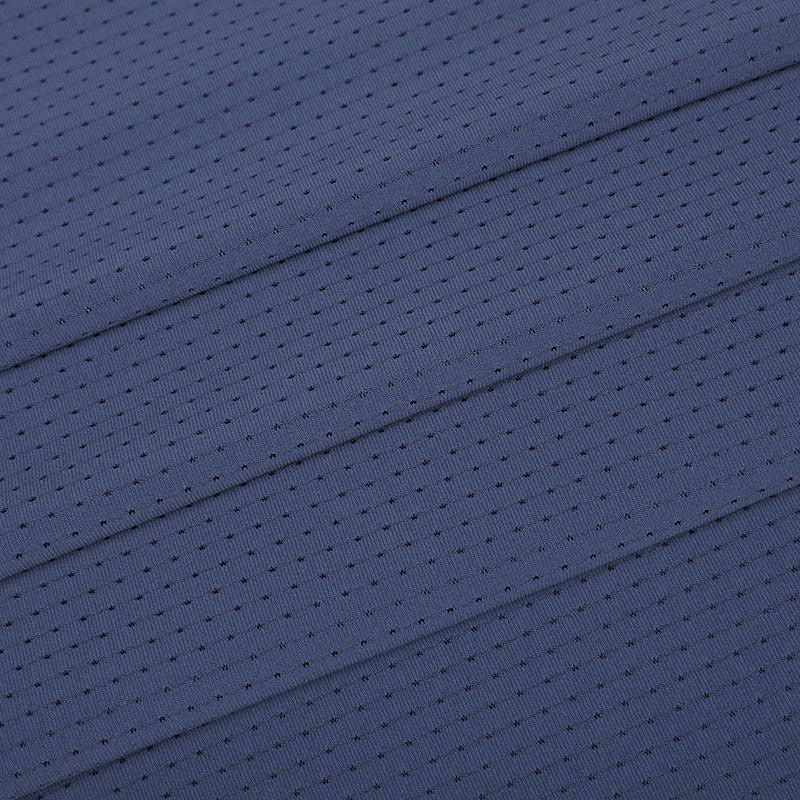
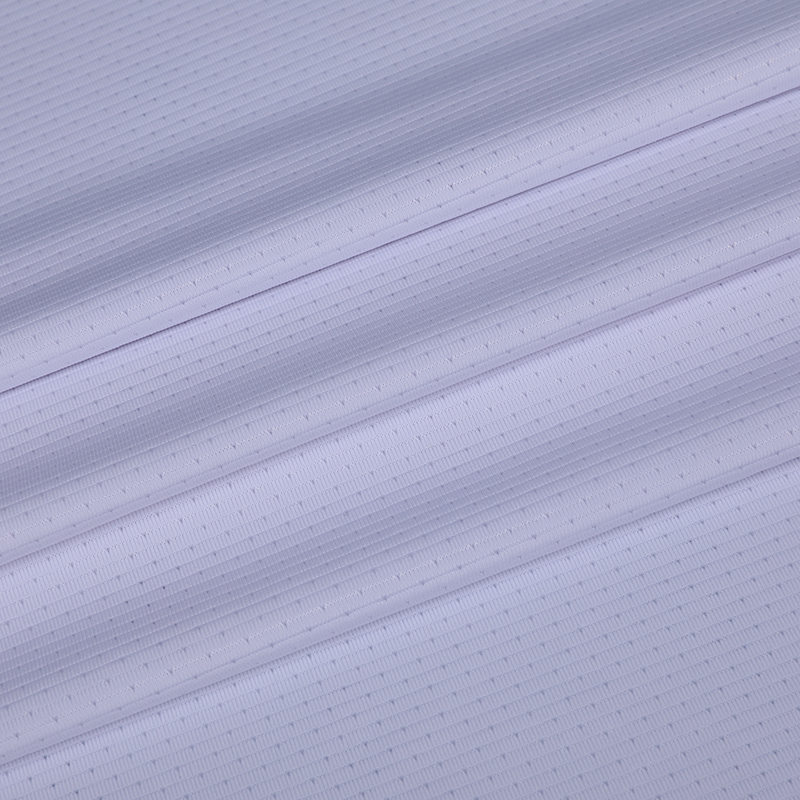
Single side sportswear fabric is a knitted construction where the fabric has different characteristics on each face. One side is typically smooth and designed for against-skin contact, while the other side may feature a matte finish, texture, or micro-ventilation pores for enhanced breathability.
This construction offers several distinct advantages for athletic apparel:
- Superior breathability: Single-side knit fabrics are more breathable than double-side constructions, allowing heat and moisture to escape more efficiently
- Lightweight comfort: Single-side fabrics are lighter and have better drape, following the body's natural contours
- Enhanced moisture transfer: The single-side structure can be engineered to move sweat away from the skin more effectively
- Design versatility: The single-side construction allows for easier dyeing and printing, enabling vibrant colors and patterns
Common applications include performance T-shirts, athletic tops, leggings, compression shorts, and summer activewear. Many single-side sportswear fabrics are engineered with nylon and spandex blends—for example, a nylon-spandex single-side fabric at 90g/m² can incorporate micro-ventilation pores that enhance airflow by up to 40%.
Fabric Performance Comparison
| Property | Polyester | Nylon | Spandex |
| Moisture-Wicking | Excellent | Very Good | Low |
| Drying Speed | Fastest | Fast | Moderate |
| Durability / Abrasion Resistance | High | Very High | Medium |
| Stretch Capacity | Low-Medium | Low-Medium | Extremely High (500–800%) |
| Recovery Rate | Good | Excellent | Up to 95% |
| Hand Feel | Lightweight, slightly crisp | Soft, smooth, premium | Smooth, elastic |
| UV Resistance | Good | Good | Moderate |
| Typical Use | Running, HIIT, team sports | Leggings, yoga, compression | Blended for stretch |
Comparative performance data based on standard textile testing criteria.
Fabric Blends: The Optimal Approach
Pure fabrics rarely deliver the best performance. The most effective sportswear fabrics combine two or three fibers to balance moisture management, durability, stretch, and comfort.
- Polyester + Spandex (e.g., 88% / 12%): The all-rounder for gym wear and team sports. Polyester provides moisture-wicking and quick-drying; spandex adds stretch and shape retention.
- Nylon + Spandex (e.g., 75–80% / 20–25%): The premium choice for yoga, leggings, and compression wear. Nylon delivers durability and a soft hand feel; spandex provides exceptional stretch and recovery.
- Nylon + Polyester + Spandex: The performance blend for high-intensity training. Nylon resists friction and abrasion; polyester manages moisture; spandex enables freedom of movement.
For yoga wear, a minimum of 15–20% spandex is recommended to ensure sufficient stretch for poses. For running apparel, 5–10% spandex blended with quick-dry polyester provides the right balance of moisture management and movement.
Fabric Weight (GSM) and Sport Selection
Fabric weight, measured in grams per square meter (GSM), directly impacts performance, breathability, and durability. Choosing the right GSM is as important as choosing the right fiber.
- Ultra-lightweight (90–130 GSM): Maximum breathability and minimal weight. Ideal for hot-weather running, summer activewear, and base layers.
- Midweight (130–180 GSM): The most common range for team sports and general training. Provides durability while maintaining comfort for high-intensity activities.
- Mid-heavy (180–220 GSM): More structure and coverage. Suitable for strength training, fitted tops, and year-round sportswear.
- Heavyweight (220+ GSM): Maximum durability and compression. Used for compression garments, cold-weather training, and high-abrasion applications.
Frequently Asked Questions
Is polyester or nylon better for sportswear?
Neither is universally better—it depends on the activity. Polyester is superior for sweat-heavy cardio and running due to its excellent moisture-wicking and quick-drying properties. Nylon is better for strength training, yoga, and leggings due to its superior durability, abrasion resistance, and softer hand feel.
What is the best fabric blend for gym wear?
Polyester-spandex (88/12) is the best all-rounder for gym and teamwear, balancing moisture management, durability, and stretch. For premium comfort and flexibility, nylon-spandex (75/25) is the preferred choice.
Can spandex be used alone in sportswear?
No—spandex is never used alone. It is always blended with polyester or nylon because it lacks the structural integrity, moisture management, and durability needed for standalone use.
What is single side sportswear fabric?
Single side sportswear fabric is a knitted construction with different characteristics on each face. It offers superior breathability, lightweight comfort, and enhanced moisture transfer compared to double-side fabrics.
How much spandex do I need in sportswear?
For yoga and compression wear, 15–25% spandex is recommended. For running and general training, 5–12% spandex provides sufficient stretch without compromising moisture management.
Which fabric dries fastest?
Polyester dries fastest among the three fibers because it is inherently non-absorbent and engineered for rapid moisture evaporation. Nylon absorbs more moisture and takes longer to dry.

CONTACT US
If you need a quote or have any questions, you can fill out the following form to contact us.

ABOUT
PRODUCT
CONTACT US
-
 West 3rd Floor, Building 5, Zone A, Hangpai Garment Industrial Park, Changan Town, Haining City, Jiaxing City, Zhejiang Province
-
 +886978217318
-
 [email protected]/[email protected]
Copyright © Haining Junrui Textile Co., Ltd. All Rights Reserved.
