


 English
 中文简体
中文简体 Español
 日本語
日本語Submit feedback
 Home / News / Industry News / Jacquard vs Brocade: The Key Differences Every Fabric Buyer Should Know
Industry News
Jacquard vs Brocade: The Key Differences Every Fabric Buyer Should Know
2026-10-09
Jacquard and brocade are frequently grouped together on fabric specification sheets, yet they occupy different levels in textile structure. For product developers, sourcing teams, and designers, the difference affects pattern clarity, surface feel, drape, washability, and cost. This guide explains how both fabrics are constructed, how to recognize them during inspection, and how to select the right one for a specific garment program.
Defining the Two Terms
Jacquard is not a single cloth structure; it is a mechanism or method that controls individual yarns so complex patterns can be produced automatically. The design is created by changing the interlacement sequence rather than applying pigments on the surface. Jacquard patterns can be flat, textured, woven, or knitted.
Brocade is a decorative fabric with raised motifs formed by supplementary weft yarns. In traditional production, extra threads are inserted only where the design requires them, producing an embossed and ornamental face. Modern brocade is usually woven with jacquard equipment, but its identity comes from those floating surface yarns, not from the mechanism itself.
A Brief Historical Note
The jacquard device appeared in the nineteenth century and allowed weavers to control hundreds of warp ends independently. Brocade is much older, dating to ancient silk-weaving centers where drawlooms were used. Understanding this lineage helps buyers separate a construction method from a decorative fabric tradition. Related but distinct, damask is a jacquard-woven fabric with flat reversible patterns; it sits between the flatness of jacquard and the relief of brocade.
Pattern Scale and Color
Pattern scale is a hidden cost driver. A jacquard repeat can be designed as a small geometric dot or a full-width floral layout. Larger repeats use more jacquard hooks or electronic needles, which slows the loom or knitting machine and may increase the minimum order quantity. Brocade, because of its supplementary weft, is even more sensitive to pattern scale; a motif covering half the fabric width can double the amount of extra yarn consumed.
Color behavior is different too. Jacquard patterns can be made with a few yarn colors, producing a refined tone-on-tone look, or with many colors for a vivid effect. Brocade gains extra richness from the contrast between the ground and supplementary yarns, often with silk, viscose, or metallic threads. When matching a trend palette, confirm the color count in the repeat with the mill before sampling.
How the Weave Is Built
In a woven jacquard, each warp yarn can be lifted in a separate order, which lets one repeat contain dozens of motifs. The binder and pattern yarns interlace with the ground, so the back is comparatively clean. Long floats may occur in large motifs, but they remain part of the ground construction.
In a brocade, the ground is usually a simple weave such as plain or twill. The pattern is added with extra weft threads that are not structurally required. These supplementary yarns appear on the face inside the motif area and either float across the reverse or are cut away during finishing. This is what gives brocade its pronounced relief and heavier coverage.
The distinction becomes visible in cross-section, but inspection by hand is usually enough: a jacquard motif is smooth, while a brocade motif stands above the ground yarns.
| Comparison Point | Jacquard | Brocade |
| Core definition | Pattern-producing mechanism | Ornamental fabric type |
| Pattern surface | Flat or lightly textured | Raised and embossed |
| Reverse side | Relatively clean | Floats or clipped ends |
| Construction base | Woven or knitted | Traditionally woven |
| Yarn consumption | Ground yarns form pattern | Additional weft for motif |
| Stretch potential | Woven stable; knit stretchy | Usually non-stretch |
| Typical end uses | Shirts, dresses, upholstery, activewear | Evening wear, jackets, decor |
Appearance and Hand Feel: What Buyers Should Inspect
If the same pattern is made by both methods, the visual difference is immediate. A jacquard appears as a two-dimensional design that lies flush with the fabric surface. Brocade creates a three-dimensional motif with subtle shadows around each shape.
Run your thumb across the pattern and reverse side. Pronounced floats that catch on skin usually indicate brocade. Knitted jacquard fabrics, especially warp-knitted versions, have a smoother reverse and are more comfortable against the body. This is why jacquard knits are common in activewear, while brocade is reserved for structured and decorative pieces.
Inspection tip: view the fabric under angled light. Raised brocade areas reflect light unevenly, so the motif becomes obvious even when the yarn colors are identical.
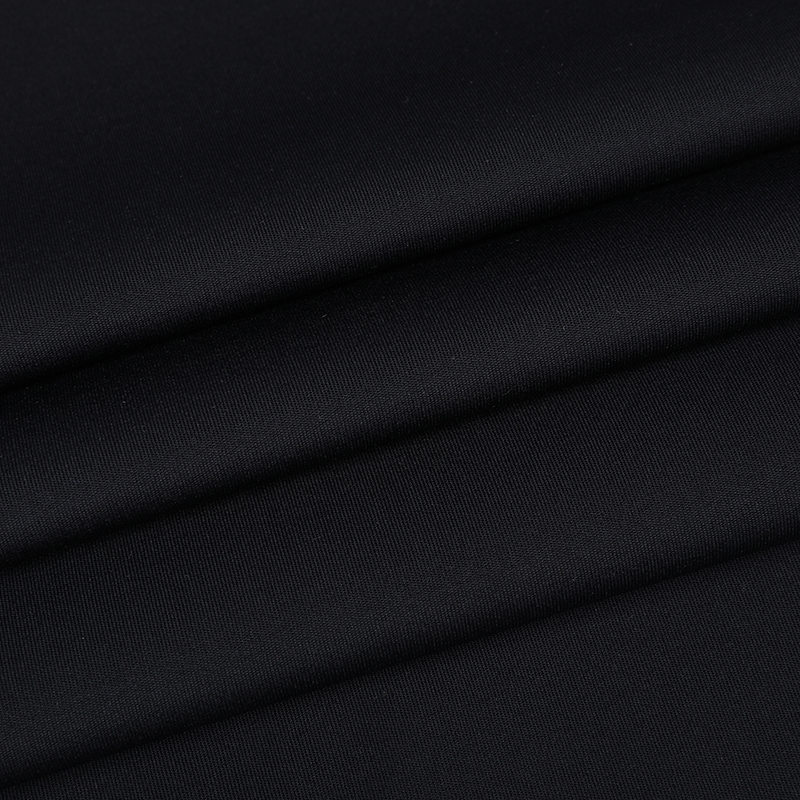
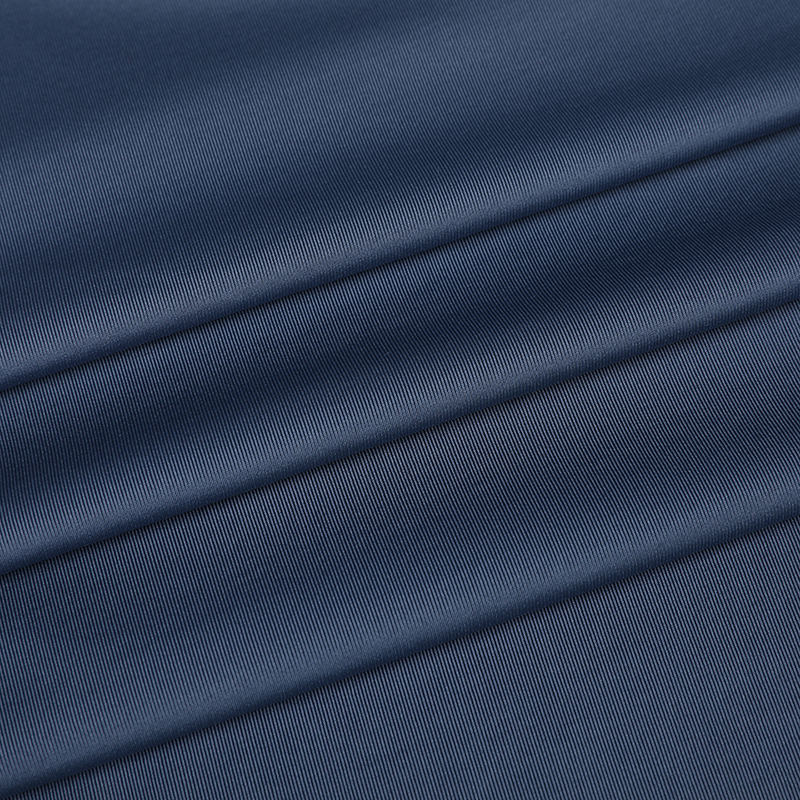
 CPS0982 Double-Sided Nylon-Spandex Jacquard Stretch FabricThis double-sided jacquard knit combines nylon and spandex for four-way stretch and recovery, making it suitable for fitted pants and polo shirts while maintaining breathability and wrinkle resistance.View Product →
Woven Jacquard vs. Knitted Jacquard
For garment manufacturers, the practical comparison is often between woven jacquard and knitted jacquard. Woven jacquard is compact and dimensionally stable, working well for shirts, tailored jackets, and home furnishing. Knitted jacquard is produced on circular or warp-knitting machines and can incorporate spandex or PBT yarns to add elasticity, recovery, and body-mapping qualities.
Warp-knitted jacquard is a growing category in performance apparel because it combines the stability of warp knitting with the patterning capability of jacquard control. Buyers who need a close-fitting silhouette can specify stretch jacquard; those who need a crisp shell with no stretch should stay with woven construction.
Elastic yarns change the cost equation. Spandex, PBT, and cationic polyester can be co-knitted in select courses to provide stretch exactly where the garment needs it. This is difficult to achieve in traditional woven brocade, where elastomeric threads interrupt the crisp floating effect. Warp-knitted jacquard structures are especially well suited to localized stretch.
For T-shirts, polo shirts, and lightweight tops, a small-check jacquard knit gives a neat geometric surface without the bulk of traditional brocade. It also washes well and reduces the risk of snagging on gym equipment or bags.
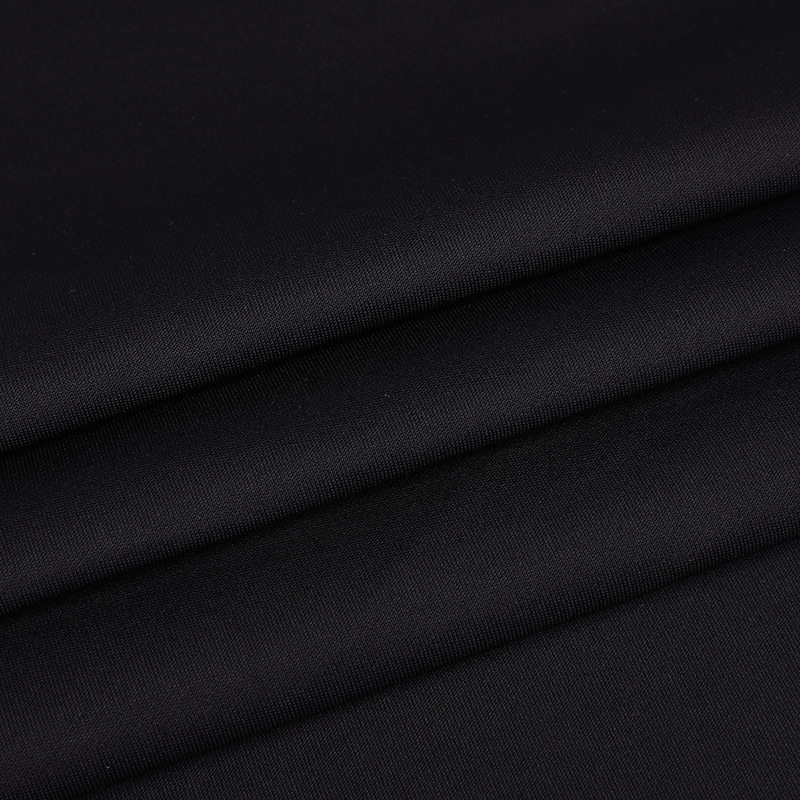
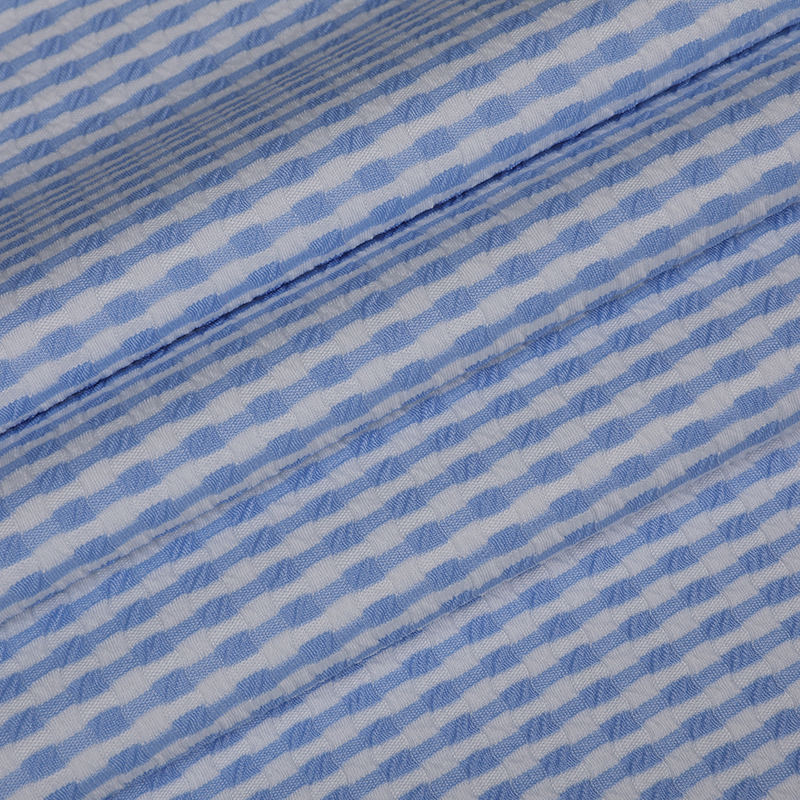
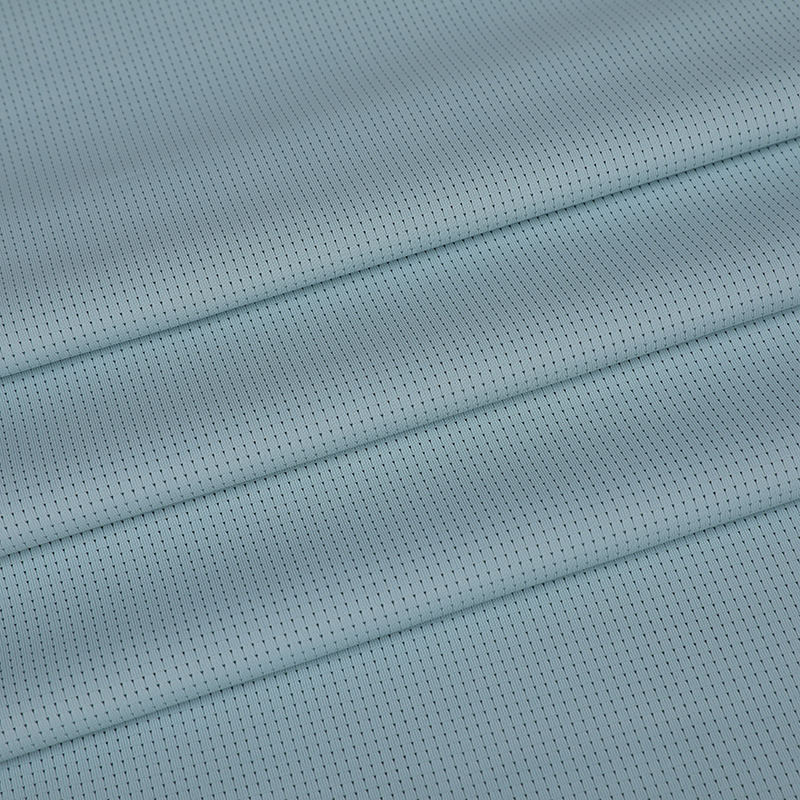
 APJ1093 Warp-Knitted Nylon-Spandex Small Check Jacquard FabricA warp-knitted jacquard with a small square pattern, this lightweight nylon-spandex blend offers elasticity and durability, ideal for T-shirts and polos that require a neat, snag-resistant surface.View Product →
Care and Durability Considerations
Care requirements separate these fabrics more sharply than appearance does. Woven brocade abrades easily because the floating yarns can catch, and water-based laundering may pucker the supplementary threads. Dry cleaning is often specified. Jacquard fabrics are generally more robust, especially compact woven jacquards and warp-knitted jacquards, which hold their shape through repeated machine washes when finished correctly.
For athletic and casual lines, a wash test with a sewn prototype is a practical way to evaluate pilling, seam slippage, and pattern distortion before bulk production. Discuss colorfastness and dimensional stability figures with the mill in advance.
Working with a Mill: Questions to Ask
Before sampling, clarify the parameters that affect price and lead time.
- What is the maximum pattern repeat in the warp and weft directions?
- How many colors can be included without a second pass?
- Is the jacquard pattern executed on a warp-knitting machine or a woven loom?
- What is the minimum order quantity per colorway?
- Does the mill provide a wash-care tag based on the specific finish?
- Can the reverse side be brushed or laminated without damaging the pattern?
These questions are equally relevant whether you are developing a low-volume designer capsule or a mass-market basics program.
How to Choose for Your Product Line
The selection process is easier when you define the garment mechanical requirements first.
- Use woven brocade for evening wear, bridal pieces, statement jackets, and home textiles where structure and ornament are the priority.
- Use woven jacquard for shirts, dresses, and upholstery that need pattern without added thickness.
- Use knitted jacquard for T-shirts, polo shirts, yoga tops, leggings, swimwear, and any garment requiring stretch and recovery.
- Check the reverse side for floats if the garment is worn directly against the skin.
- Request a lab dip, wash test, and shrinkage report before bulk production.
A useful rule of thumb: if the design must move with the body, choose knit jacquard. If the design needs formal elevation and dimensional relief, choose brocade.
Application examples help translate the terminology. A metallic brocade suits evening separates and bridal sashes. A compact woven jacquard works for structured dresses. A warp-knitted jacquard with spandex fits sports polos and fitted tops. Label each sample with its construction type so your team does not confuse a decorative finish with a structural weave.
Fast-fashion example: a warp-knitted jacquard with a small check pattern can be shipped quickly and washed repeatedly, while a brocade with heavy floats needs careful handling and a longer finishing process.
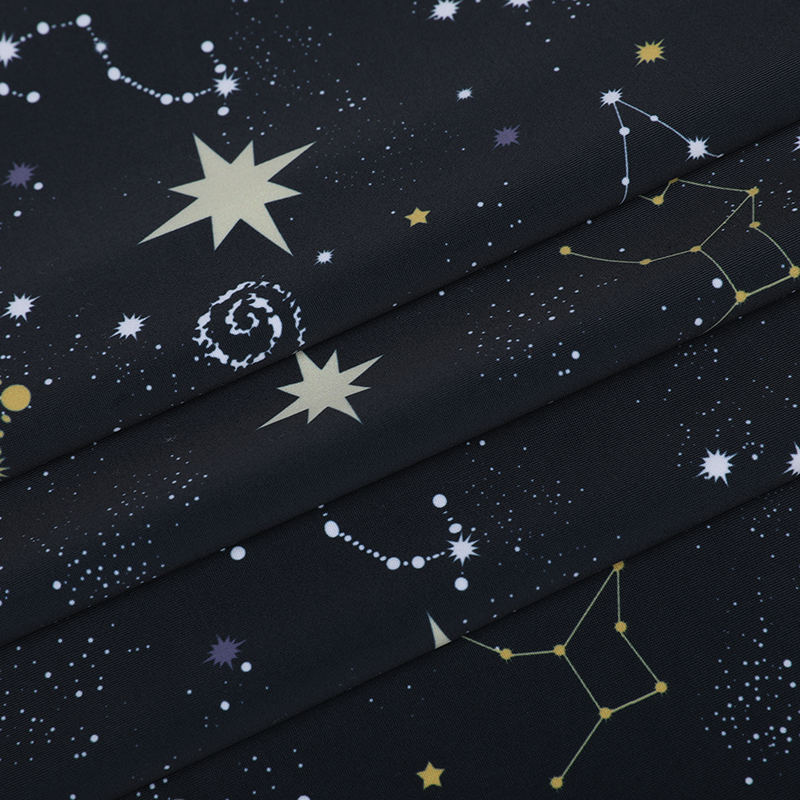
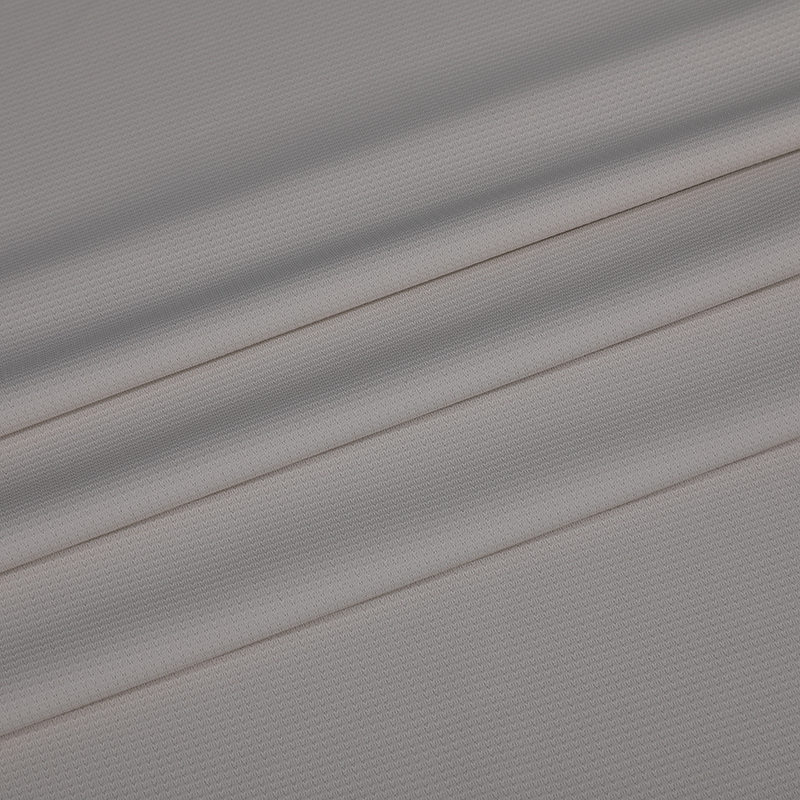
 BPJ1908 Brocade-Style Meteor Hole Jacquard Sports Polo FabricThis nylon and spandex jacquard features a meteor hole pattern that enhances breathability and heat dissipation, making it a practical choice for active polo shirts that need stretch and quick drying.View Product →
Cost and MOQ Considerations for Sourcing
Brocade is generally more expensive per meter than jacquard because it consumes more yarn, weaves more slowly, and requires careful finishing. The supplementary wefts increase material cost, and the raised surface may need special pressing and winding. Knitted jacquard pricing depends on machine gauge, the number of colors in a repeat, and the percentage of elastane used.
A well-designed warp-knitted jacquard can stay within a similar cost range as high-quality plain jersey, while brocade rarely reaches that level of economy. This makes knit jacquard a preferred choice for mid-priced fashion and performance brands.
- Compare prices on an equal construction weight and width basis, not on appearance alone.
- Ask suppliers whether the pattern repeat is limited by machine width and jacquard hook count.
- Confirm the maximum number of colors in one repeat; this directly affects machine efficiency.
- Request a strike-off and a sealed counter-sample before committing to bulk production.
Sustainable considerations are also entering the decision. Recycled polyester warp-knitted jacquard offers a lower carbon footprint while keeping the same pattern clarity. Brocade, with its heavier yarn consumption and delicate finish, is less common in eco-driven collections. When a buyer wants both decorative value and a lower-impact story, a compact jacquard in recycled yarns is usually the safer route.
For a deeper technical view, read our process comparison of jacquard double-beaded stretch fabric with ordinary double-beaded stretch fabric.
Final Takeaway
Treat jacquard as a production term and brocade as a decorative fabric type. In your specification, clearly state whether the jacquard is woven or knitted, with the yarn count, stretch requirement, and finishing process. When specifying brocade, verify the ground weave, the supplementary yarn content, and the maximum float length to avoid snagging and durability issues.
Once these structural facts are clear, pattern selection, sample development, and cost negotiation become much more predictable. Explore our complete fabric index to compare constructions and refine your next order.
Frequently Asked Questions
Q1: Is brocade a type of jacquard?
In modern woven manufacturing, most brocades are produced on jacquard-controlled looms, so they can be described as jacquards. However, jacquard also includes many other woven and knitted patterns that have no raised supplementary weft. Brocade is one specific decorative style within the broader jacquard family.
Q2: Which is more expensive, jacquard or brocade?
Brocade usually costs more because it consumes additional weft yarn and requires more finishing work. The price gap depends on the number of colors, the density of the ground weave, and the use of silk or metallic yarns.
Q3: Can brocade be used for sportswear?
Traditional woven brocade is rarely used in sportswear because it lacks stretch and the floating threads can snag. For performance apparel, knitted jacquard with spandex is a better choice because it offers pattern, stretch, and recovery in one fabric.
Q4: How can you tell jacquard and brocade apart by touch?
Run your fingers over the patterned area. If the motif is raised and you feel separate yarns on the reverse, it is likely brocade. If the pattern is smooth and integrated into the ground, it is a jacquard construction.
Q5: Are there printed fabrics that imitate jacquard or brocade?
Yes, printed fabrics can copy the color contrast of jacquard and brocade, but the printed surface has no structural depth. The motif is only color, not a change in yarn interlacing. Examine the reverse side to confirm whether the pattern is truly woven or knitted.

CONTACT US
If you need a quote or have any questions, you can fill out the following form to contact us.

ABOUT
PRODUCT
CONTACT US
-
 West 3rd Floor, Building 5, Zone A, Hangpai Garment Industrial Park, Changan Town, Haining City, Jiaxing City, Zhejiang Province
-
 +886978217318
-
 [email protected]/[email protected]
Copyright © Haining Junrui Textile Co., Ltd. All Rights Reserved.
