


 English
 中文简体
中文简体 Español
 日本語
日本語Submit feedback


Industry News
How Is Tricot Fabric Manufactured and What Are Its Unique Properties?
2026-05-28
What Makes Tricot Fabric Unique?
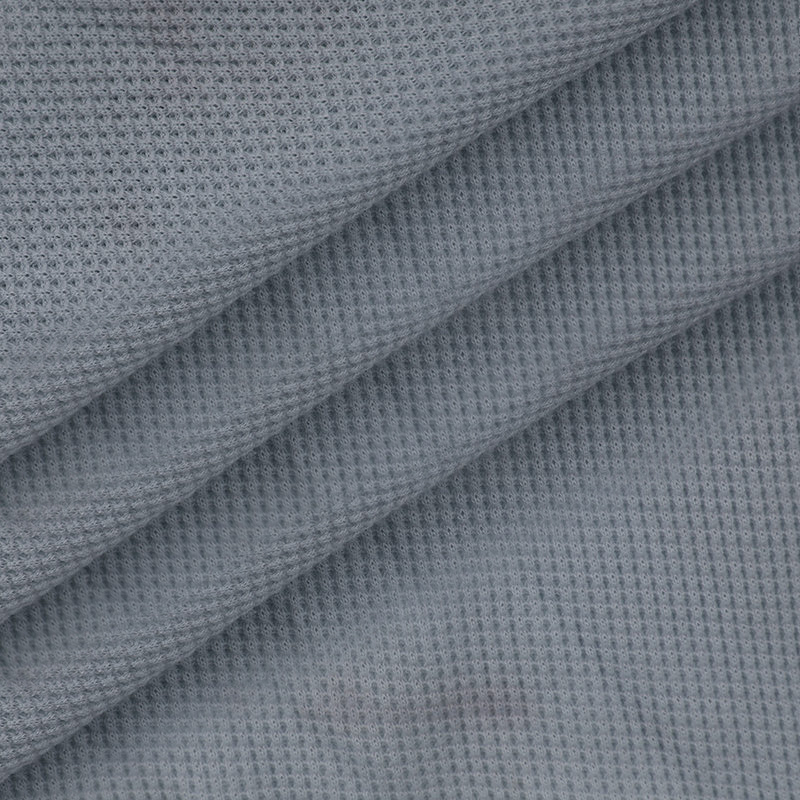
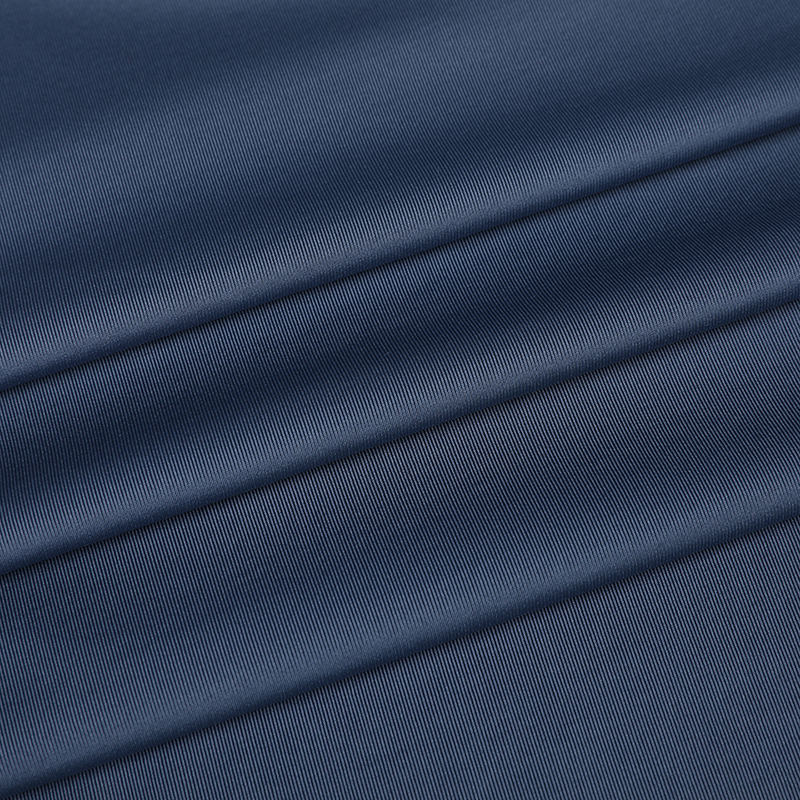
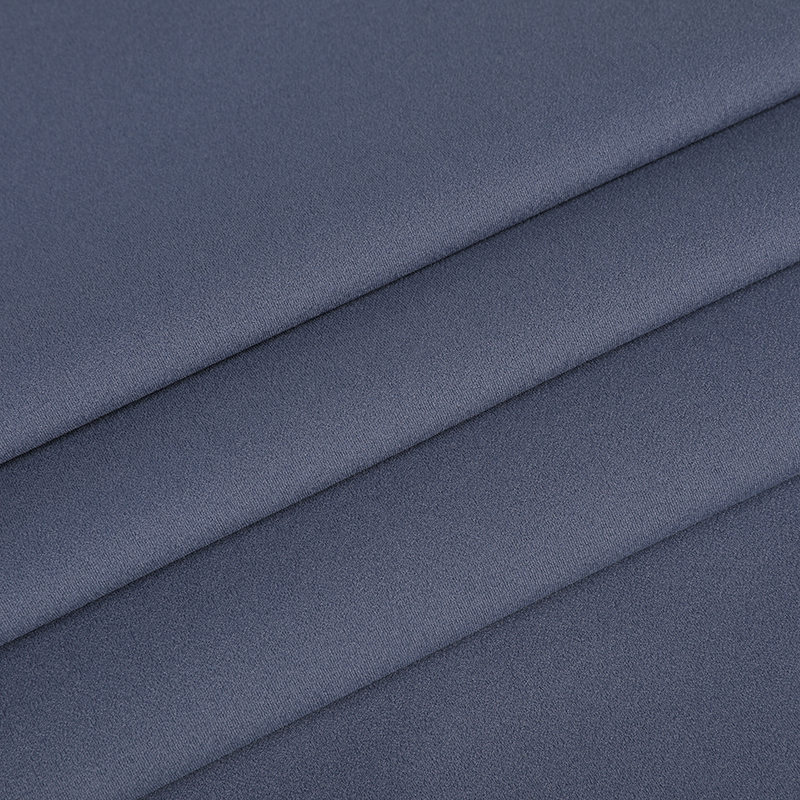
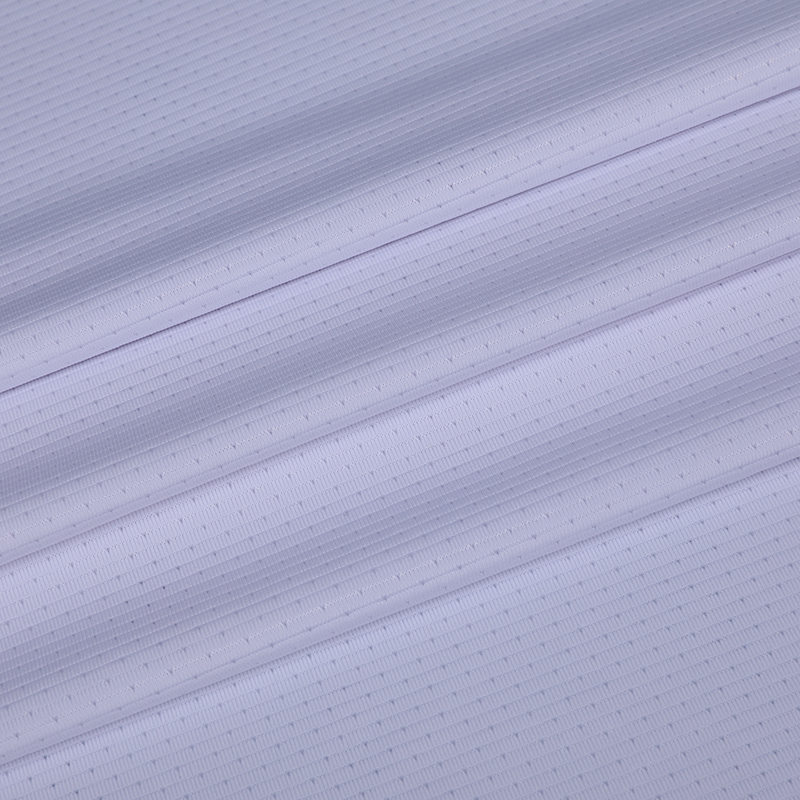
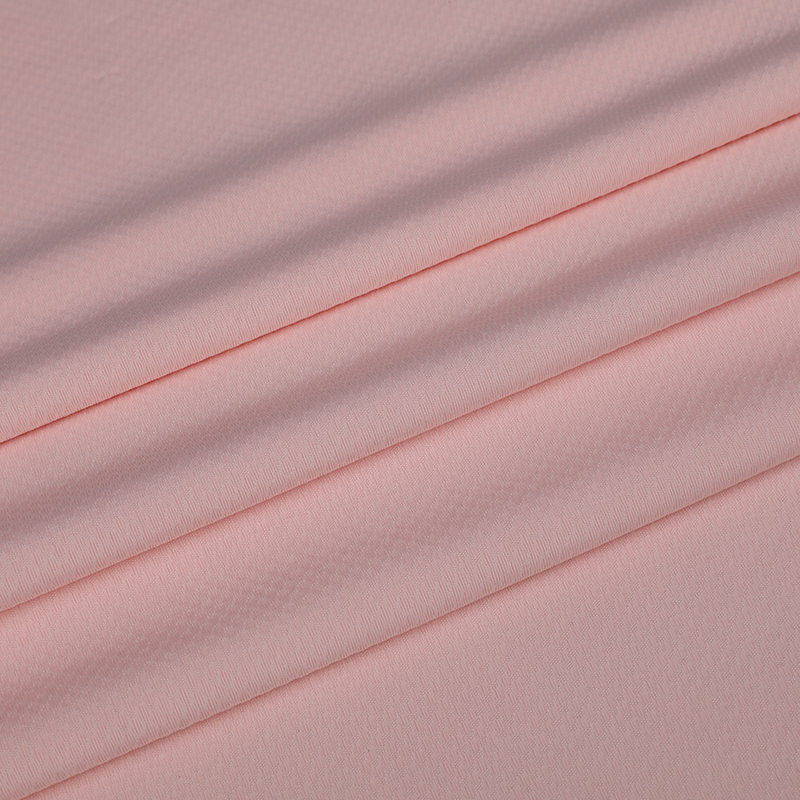
Tricot fabric is manufactured through a specific warp knitting process using multiple yarn guides that create vertical interlocking loops on the technical face and zigzag horizontal ribs on the back. Its unique properties include exceptional drapability, resistance to snagging and running, and distinct bidirectional stretch (more stretch in width than length). Unlike weft knits, tricot does not curl at the edges, making it highly practical for high-speed garment assembly.
The Warp Knitting Process: How Tricot Is Manufactured
Tricot production begins on a warp knitting machine equipped with a guide bar system (typically 2 to 4 bars). Each yarn end from a warp beam is threaded through its own needle, and all needles knit simultaneously across the fabric width.
Key Manufacturing Steps
- Yarn Preparation: Fine-denier synthetic yarns (most commonly polyester, nylon, or spandex blends) are wound onto warp beams under controlled tension.
- Loop Formation: Needles rise simultaneously, and guide bars swing to lay yarns around each needle – the common stitch is the two-bar tricot stitch (often a pillar stitch combined with a lapping movement).
- Lapping & Take-up: Fabric is drawn continuously downward while the warp beams feed yarns at exact rates, creating a stable, ladder-resistant structure. Production speeds typically range from 600 to 1,500 courses per minute – much faster than weft knitting.
The resulting fabric is heat-set to lock in dimensional stability, then finished (dyed, brushed, or coated) depending on the intended use.
Unique Physical Properties of Tricot Fabric
Tricot’s warp-knitted geometry produces measurable performance advantages over other knits. Below are its signature characteristics supported by typical industry data.
| Property | Typical Value / Behavior | Practical Advantage |
|---|---|---|
| Stretch Ratio (width vs. length) | ~60–80% width / ~20–30% length | Conforms to body curves without sagging |
| Edge Curling | None (0%) due to balanced loop structure | Eliminates need for edge taping in garments |
| Run Resistance | High – snags stay localized | Longer life for activewear and lingerie |
| Moisture Wicking Rate | 0.3–0.5 g/30 min (AATCC 197) | Keeps skin dry in sportswear |
Additionally, tricot offers wrinkle recovery (above 85% in standard tests) and a smooth, non-abrasive surface that resists pilling even after 500+ cycles of Martindale abrasion.
Structural Differences vs. Other Knits (Weft & Raschel)
To fully appreciate tricot, compare its architecture to common alternatives. The following distinctions affect material selection for specific applications.
Tricot vs. Single Jersey (Weft Knit)
- Stretch: Jersey stretches equally in all directions; tricot stretches predominantly widthwise.
- Edge behavior: Jersey curls severely; tricot lies flat – a critical advantage for cut-and-sew operations.
- Recovery: Tricot’s recovery from stretch is >90% compared to ~70% for low-quality weft knits.
Tricot vs. Raschel (Another Warp Knit)
- Yarn range: Raschel can handle bulky/textured yarns; tricot uses only fine, smooth filament yarns (40 to 100 denier typically).
- Fabric hand: Tricot is lightweight and silky (40–120 gsm common); Raschel ranges from mesh to heavy blankets.
- Stitch density: Tricot achieves 28–40 courses per centimeter – much finer than Raschel fabrics.
Practical Applications Driven by Tricot’s Properties
Because of its unique combination of drape, stretch control, and run resistance, tricot dominates specific sectors where other knits fail.
- Lingerie and shapewear: The smooth face and lack of curl allow delicate lace attachments and comfortable seams. Approximately 70% of seamless bras use tricot backings.
- Activewear linings: Tricot’s moisture wicking (drying 30% faster than cotton jersey) makes it ideal for shorts and jacket linings.
- Medical textiles: Its isotropic high strength (tear resistance of 15–25 N per cm) and non-fraying edges are used in surgical drapes and orthopedic supports.
- Automotive headliners: Heat-set polyester tricot withstands temperatures up to 160°C without deforming.
A specific data point: in footwear, nylon tricot meshes provide abrasion resistance of >50,000 cycles (Taber test) – three times that of comparable weft-knitted mesh.
Care & Handling Considerations for Tricot
To preserve tricot’s unique properties, certain practices are recommended – especially given its fine-denier yarns.
- Washing: Machine wash cold (<30°C) to maintain dimensional stability; high heat can reduce stretch recovery by up to 15% after multiple cycles.
- Drying: Low tumble dry or line dry; tricot’s vertical loop structure can shrink 2–3% in length if overheated.
- Avoid sharp hooks/snags: While run-resistant, a broken filament may create a localized hole – but it will not ladder down the fabric.
Industrially, pre-shrinking tricot at 180°C for 30 seconds locks its dimensions, making it suitable for high-volume cut-and-sew where fabric waste below 2% is expected.
Summary of Tricot’s Manufacturing-Property Links
The warp-knitted tricot structure directly produces its valued traits. Every unique property traces back to a manufacturing choice:
- Use of multiple guide bars → no edge curl and balanced tension.
- Fine, continuous filament yarns → smooth surface + moisture wicking (no protruding fiber ends).
- Underlap stitch pattern → run resistance (neighboring loops interlock vertically).
- Heat-setting step → dimensional stability with <1% residual shrinkage in quality material.
Understanding these links allows engineers and designers to select tricot not as a generic knit, but as a precision textile with quantified performance parameters.
CONTACT US
If you need a quote or have any questions, you can fill out the following form to contact us.

ABOUT
PRODUCT
CONTACT US
-
 West 3rd Floor, Building 5, Zone A, Hangpai Garment Industrial Park, Changan Town, Haining City, Jiaxing City, Zhejiang Province
-
 +886978217318
-
 [email protected]/[email protected]
Copyright © Haining Junrui Textile Co., Ltd. All Rights Reserved.
