


 English
 中文简体
中文简体 Español
 日本語
日本語Submit feedback
 Home / News / Industry News / How Does Swimwear Fabric Impact Comfort and Performance in Water Sports?
Industry News
How Does Swimwear Fabric Impact Comfort and Performance in Water Sports?
2026-05-22
Swimwear Fabric Determines Comfort, Drag Reduction, and Performance Efficiency
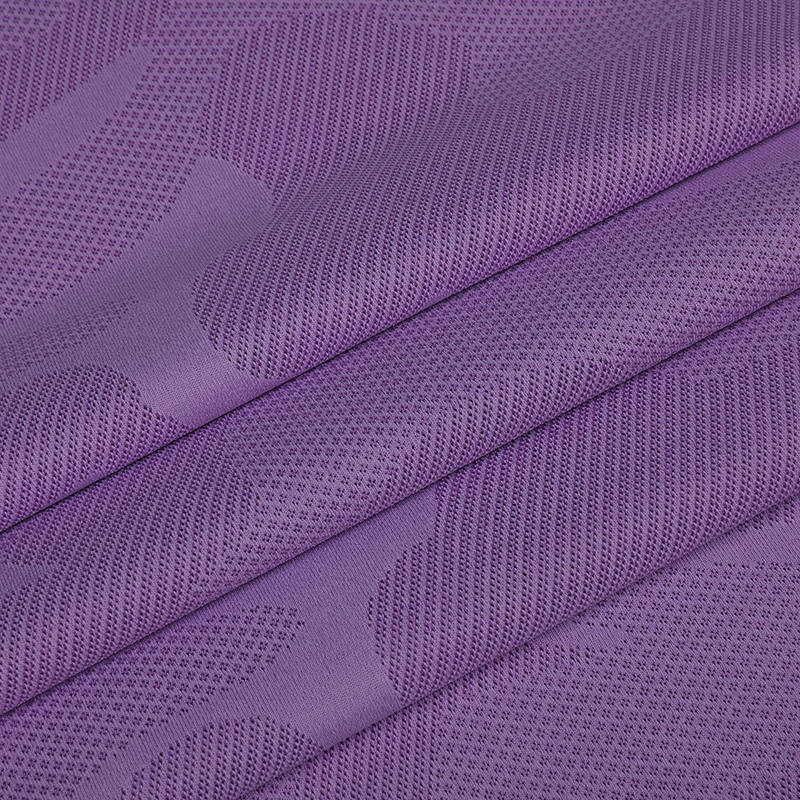
The performance of water sports participants is strongly influenced by swimwear fabric. The right material can significantly reduce water resistance, improve body flexibility, and maintain comfort during prolonged exposure to water.
In practical terms, high-quality swimwear fabric enhances hydrodynamics, supports muscle compression, and ensures quick drying, while poor fabric selection can increase drag and reduce endurance in water-based activities.
Hydrodynamic Efficiency and Drag Reduction
One of the important roles of swimwear fabric is reducing drag in water. Smooth-surfaced fibers and tightly woven structures allow water to flow more easily over the body, minimizing resistance.
Advanced fabrics are engineered to reduce surface turbulence, which can improve movement efficiency by maintaining a more streamlined body position during swimming or surfing.
- Low-friction surfaces help reduce water resistance.
- Compression properties support body alignment in motion.
- Hydrophobic coatings minimize water absorption and drag increase.
Comfort and Skin Adaptability in Water Sports
Comfort is essential for maintaining performance during long water sports sessions. Swimwear fabric must remain soft, flexible, and non-irritating even after extended exposure to saltwater or chlorinated environments.
Fabrics with high elasticity allow unrestricted movement, which is crucial for activities such as competitive swimming, diving, and water aerobics.
Key Comfort Factors
- Seamless or flat-seam construction reduces skin friction.
- Elastic fibers improve fit stability during movement.
- Breathable structure supports temperature regulation.
Durability and Resistance to Water Exposure
Swimwear fabric must withstand repeated exposure to water, UV radiation, and mechanical stretching. Durable materials ensure that garments maintain shape and elasticity over time.
A key performance indicator is the fabric’s ability to resist fiber breakdown and maintain compression after multiple cycles of wetting and drying.
- Shape retention prevents loosening during repeated use.
- Elastic recovery ensures consistent fit performance.
- Resistance to water absorption reduces fabric fatigue.
Drying Speed and Moisture Management
Efficient moisture management is essential for maintaining comfort both in and out of the water. Quick-drying swimwear fabric helps reduce discomfort and prevents excessive water retention.
Hydrophobic fibers reduce water retention, allowing garments to dry faster and maintain a lighter feel during transitions between water and land activities.
Moisture Control Benefits
- Faster drying improves thermal comfort.
- Reduced water retention lowers garment weight.
- Improved hygiene by limiting moisture buildup.
Flexibility and Movement Efficiency
Water sports demand a high degree of body flexibility. Swimwear fabric must stretch in multiple directions without restricting movement or losing structural integrity.
Multi-directional elasticity supports natural body motion, allowing athletes to perform strokes, turns, and jumps efficiently.
- Four-way stretch supports full range of motion.
- Elastic recovery maintains shape after stretching.
- Reduced resistance enhances stroke efficiency.
Conclusion: Why Fabric Selection Defines Water Sports Performance
Swimwear performance is not determined only by design but primarily by material engineering. The right swimwear fabric improves hydrodynamics, enhances comfort, ensures durability, and supports efficient movement in water.
Ultimately, selecting advanced fabric structures allows athletes and recreational users to achieve better performance, longer endurance, and improved overall experience in water environments.
CONTACT US
If you need a quote or have any questions, you can fill out the following form to contact us.

ABOUT
PRODUCT
CONTACT US
-
 West 3rd Floor, Building 5, Zone A, Hangpai Garment Industrial Park, Changan Town, Haining City, Jiaxing City, Zhejiang Province
-
 +886978217318
-
 [email protected]/[email protected]
Copyright © Haining Junrui Textile Co., Ltd. All Rights Reserved.
