

 English
 中文简体
中文简体 Español
 日本語
日本語

Conclusion: The key benefits of tricot fabric in activewear stem from its warp-knit structure, delivering superior durability, excellent bi-directional stretch and recovery, and efficient moisture-wicking properties. This textile withstands repeated abrasion and high-intensity movement without compromising comfort, making it a preferred choice for performance sportswear.
1. Why Is Tricot Fabric Preferred for Activewear?
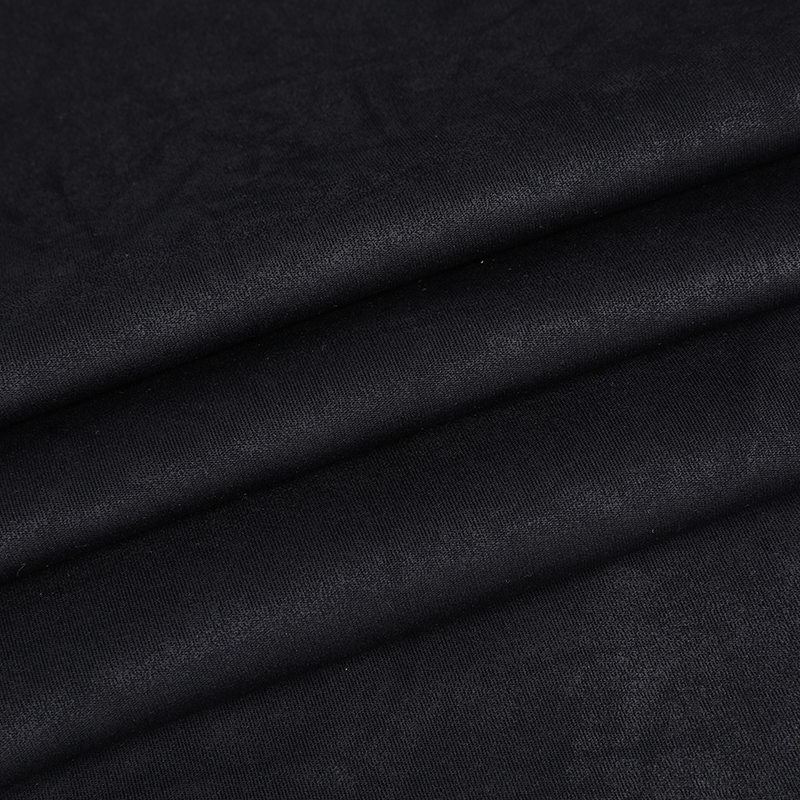
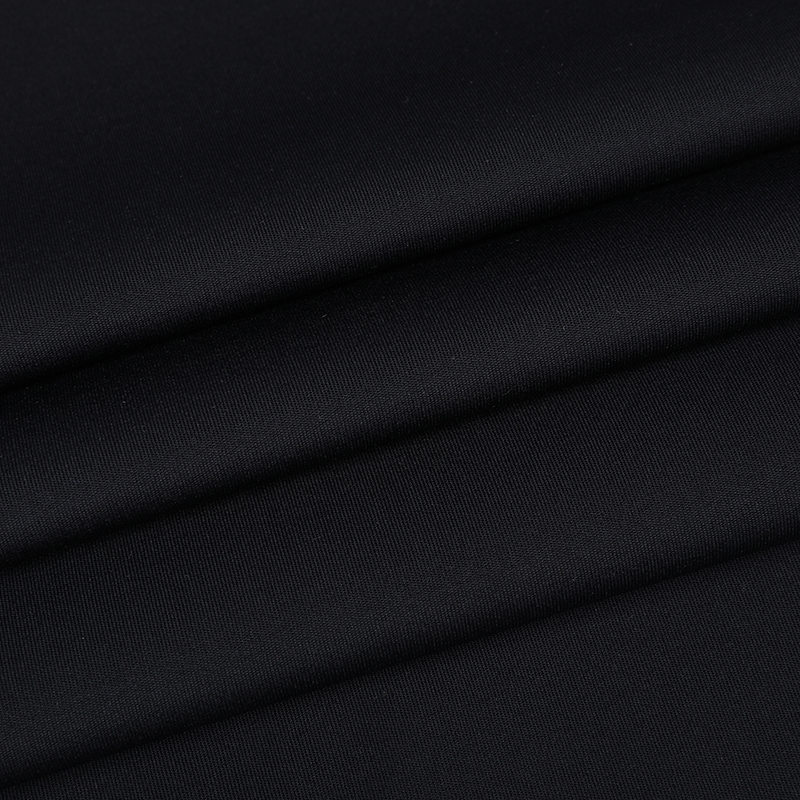
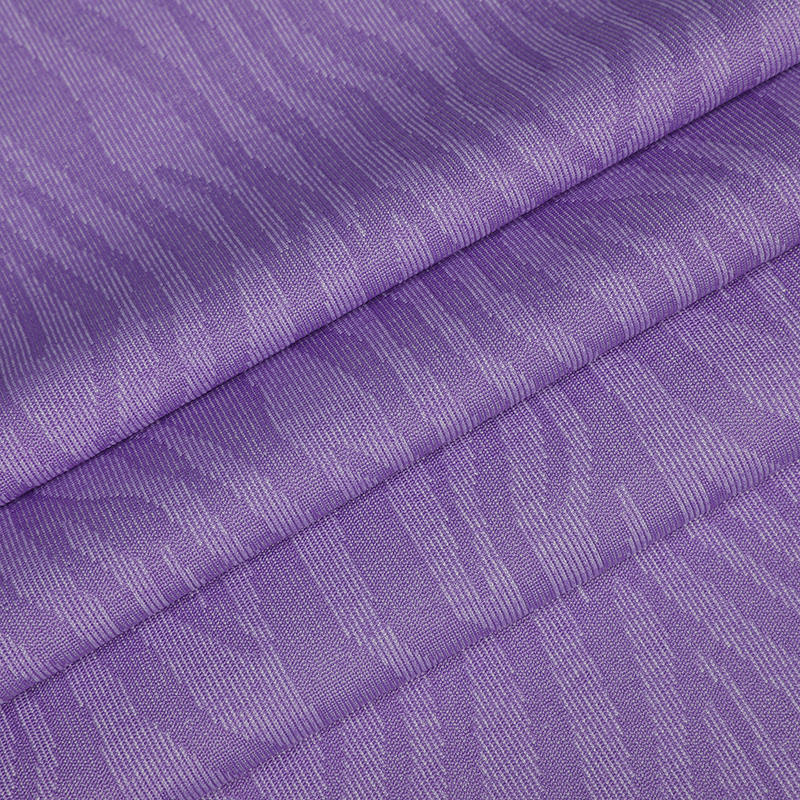
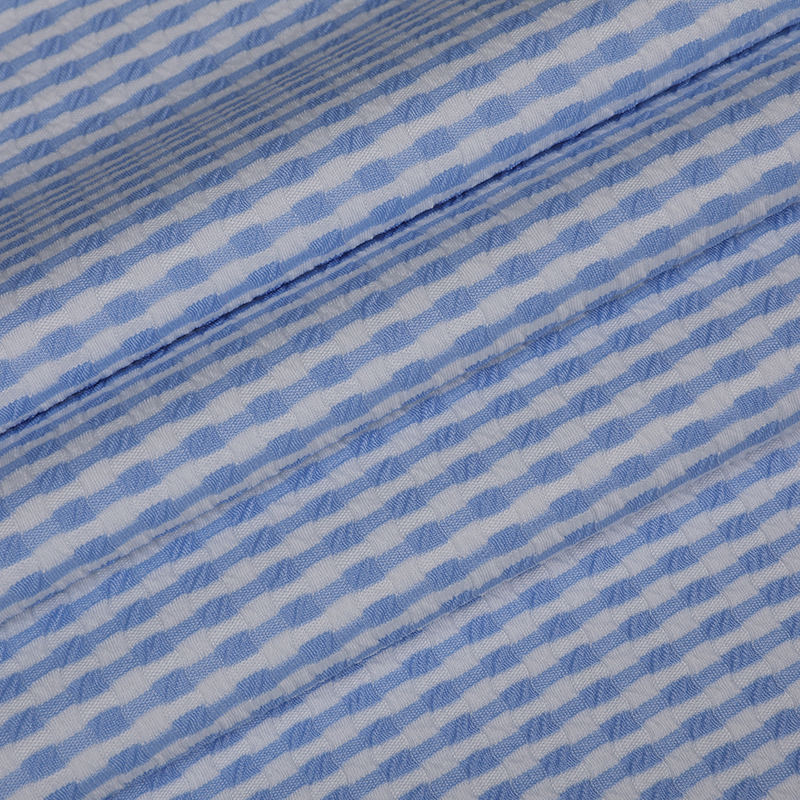
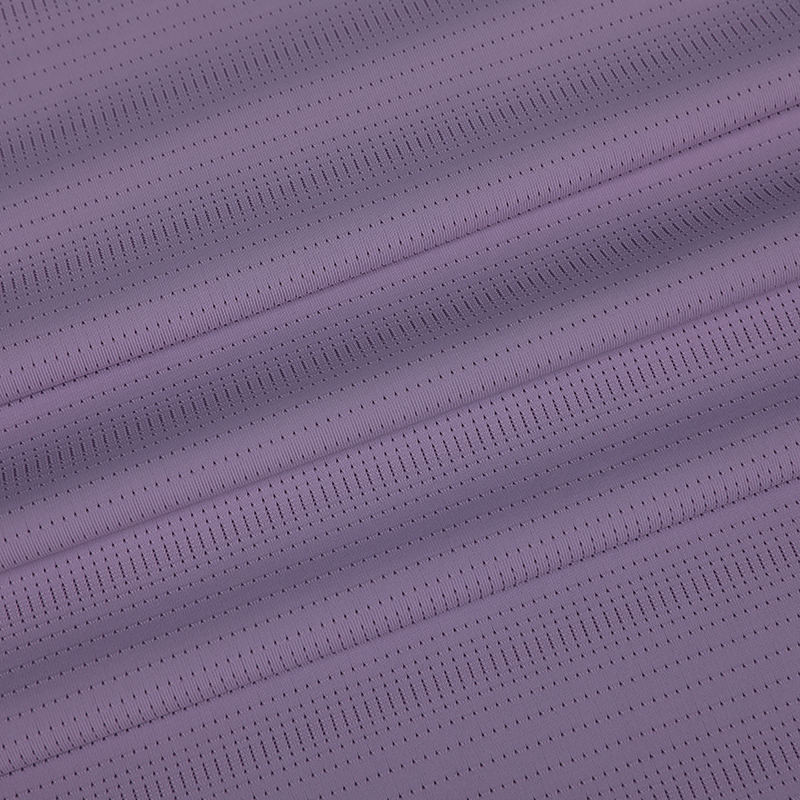
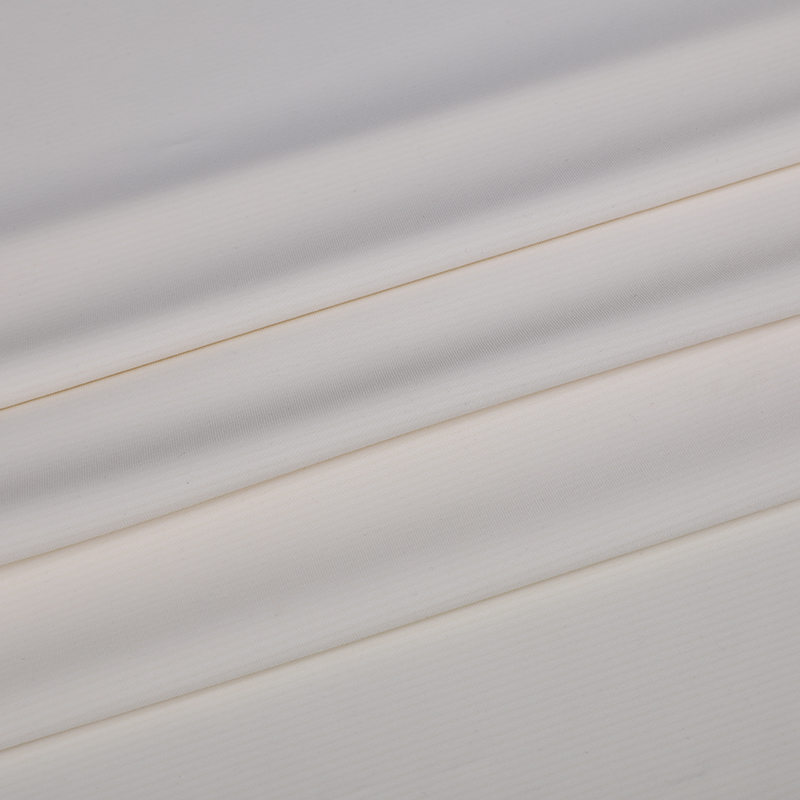
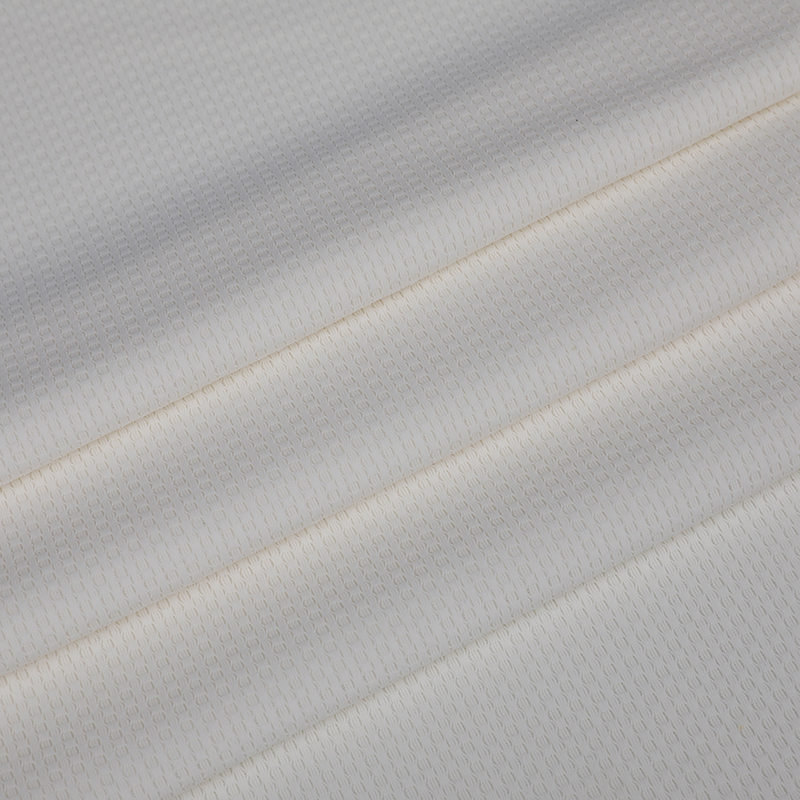
Tricot fabric is produced using warp-knitting technology, where yarns interloop along the length of the fabric, creating a stable zigzag structure. This unique construction provides outstanding resistance to pilling and abrasion. Compared to weft-knitted fabrics, tricot typically exhibits 20% higher stretch recovery, ensuring that activewear retains its shape and fit even after repeated wash and wear cycles.
Modern high-performance tricot activewear often blends nylon (polyamide) with elastane (spandex). A common composition of 80% nylon and 20% spandex delivers both robust support and the freedom of movement required for dynamic sports.
2. Five Core Performance Advantages
2.1 Superior Stretch and Recovery
Tricot fabrics offer bi-directional or four-way stretch, moving seamlessly with muscles while providing gentle compression that reduces muscle vibration. Their exceptional elastic recovery prevents bagging at high-stress areas like knees and elbows.
2.2 Efficient Moisture Wicking and Quick Drying
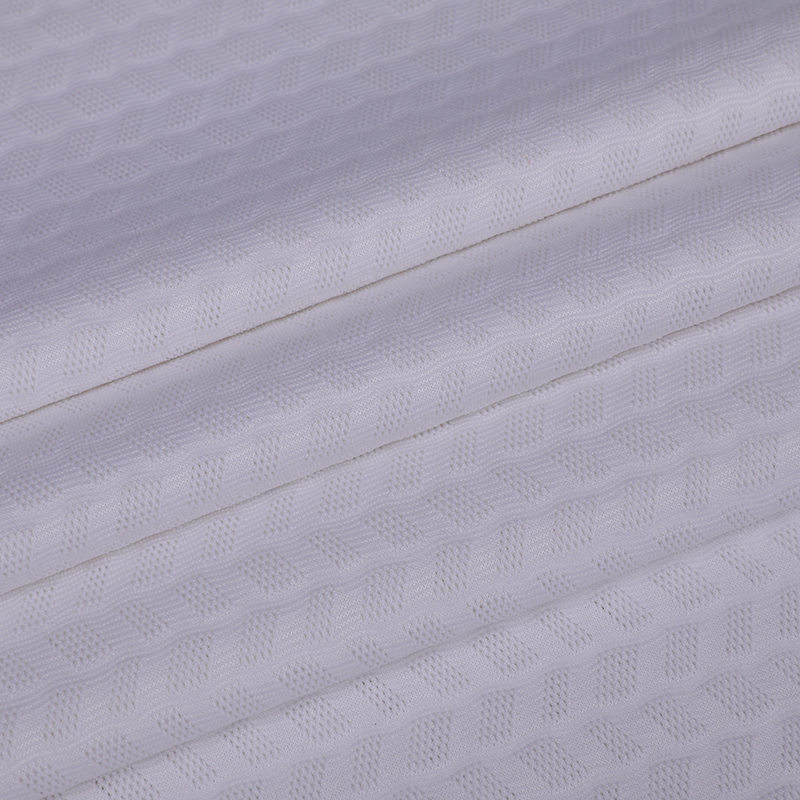
Nylon and polyester are inherently hydrophobic. Combined with the micro-porous structure of tricot knit, sweat is rapidly drawn from the skin to the outer surface via capillary action and evaporates quickly. With hydrophilic finishing, tricot achieves rapid moisture dispersion, keeping the wearer dry and comfortable.
2.3 High Abrasion Resistance and Dimensional Stability
The warp-knit structure gives tricot superior tear strength and abrasion resistance compared to weft-knits of similar weight. This makes it ideal for outdoor training, high-intensity workouts, and sports involving friction against equipment or straps.
2.4 Smooth Hand Feel and Skin Friendliness
Tricot has a smooth face and fine underlaps on the back, creating a soft, low-friction surface that minimizes chafing during long-distance running or cycling, reducing skin irritation.
2.5 Wrinkle Resistance and Shape Retention
Thanks to the thermoplasticity of synthetic fibers, tricot activewear is naturally wrinkle-resistant. Even after being stuffed into a gym bag, it recovers quickly without ironing.
3. Tricot vs. Weft-Knit: Performance Comparison for Sport
To clearly illustrate the advantages of tricot, here is a direct comparison with conventional weft-knitted (circular knit) fabrics across key performance metrics:
| Performance Metric | Tricot (Warp-Knit) | Weft-Knit (Circular) |
|---|---|---|
| Dimensional Stability | High; minimal deformation after washing | Moderate; prone to stretching out |
| Pilling Resistance | Excellent; smooth surface resists pilling | Fair; pills develop in high-friction areas |
| Stretch Recovery | Greater than 90% (with elastane) | 70% – 85% |
| Typical Application | High-intensity training, compression wear, swimwear, cycling | Casual wear, light yoga, t-shirts |
4. Common Specifications for Tricot in Activewear Design
Different sports demand specific fabric weights and compositions. Below are typical parameter ranges for performance tricot:
- Weight range: Lightweight (120-160 GSM) for base layers and summer tees; mid-weight (200-230 GSM) for training pants and outer layers.
- Fiber blends: Nylon/spandex blends prioritize softness and elasticity; polyester/spandex blends focus on rapid drying and vibrant colorfastness.
- Functional finishes: Anti-microbial, UV protection (UPF 50+), and water-repellent treatments are common value-adds for premium activewear.
5. Frequently Asked Questions About Tricot Activewear
Is tricot fabric suitable for high-intensity sports?
Absolutely. Its high stretch recovery and abrasion resistance make it an excellent choice for CrossFit, cycling, martial arts, and other demanding activities.
Does tricot fabric shrink after washing?
High-quality tricot (nylon/polyester based) has very low shrinkage (typically less than 3%). Following care instructions and avoiding high heat drying will preserve the elastane fibers.
How can I distinguish tricot from regular knit fabric?
Check the reverse side. Tricot features distinct, fine vertical wales (like ribs) running lengthwise, whereas weft-knits show horizontal, fish-scale like loops.