


 English
 中文简体
中文简体 Español
 日本語
日本語Submit feedback


Industry News
Single Side Sportswear Fabric: Complete Buying Guide
2026-07-31
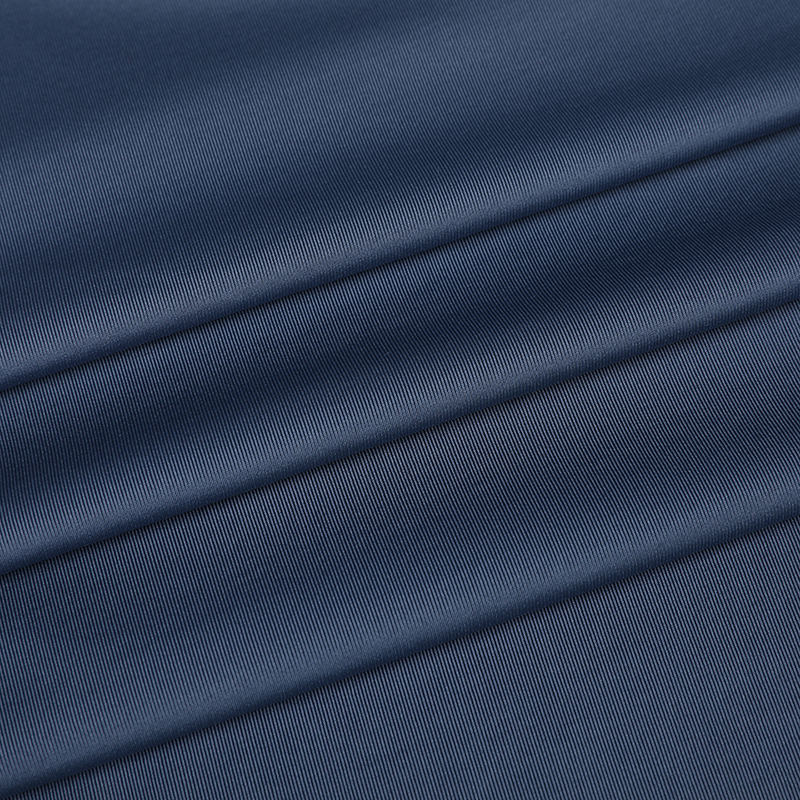
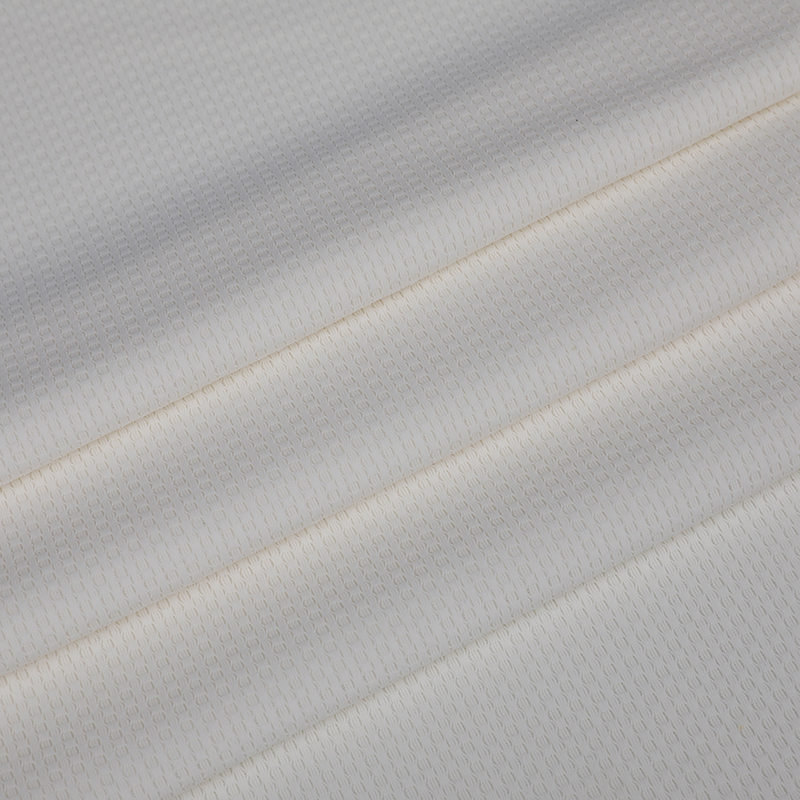
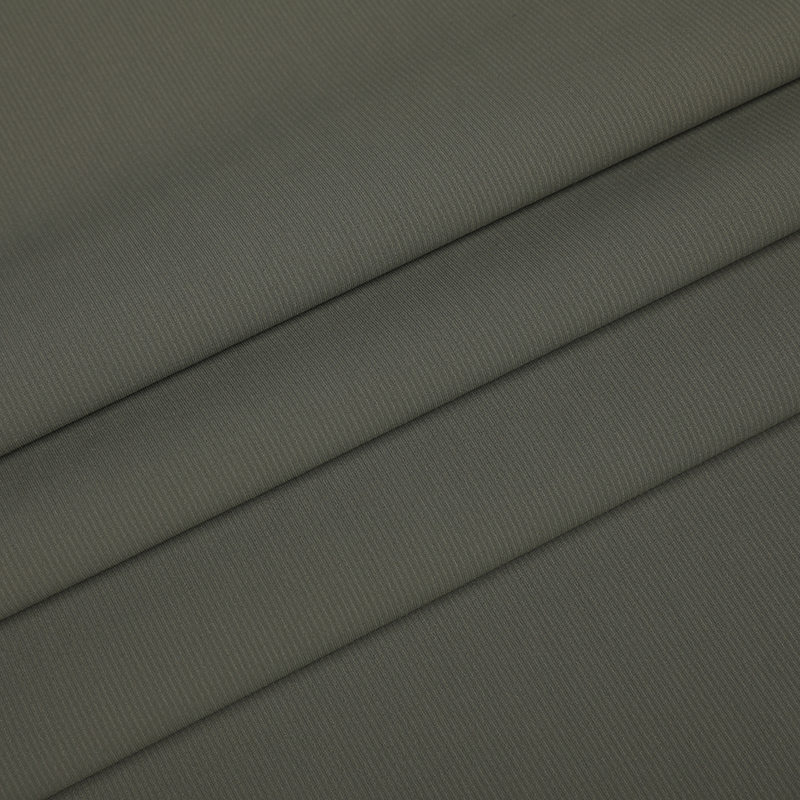
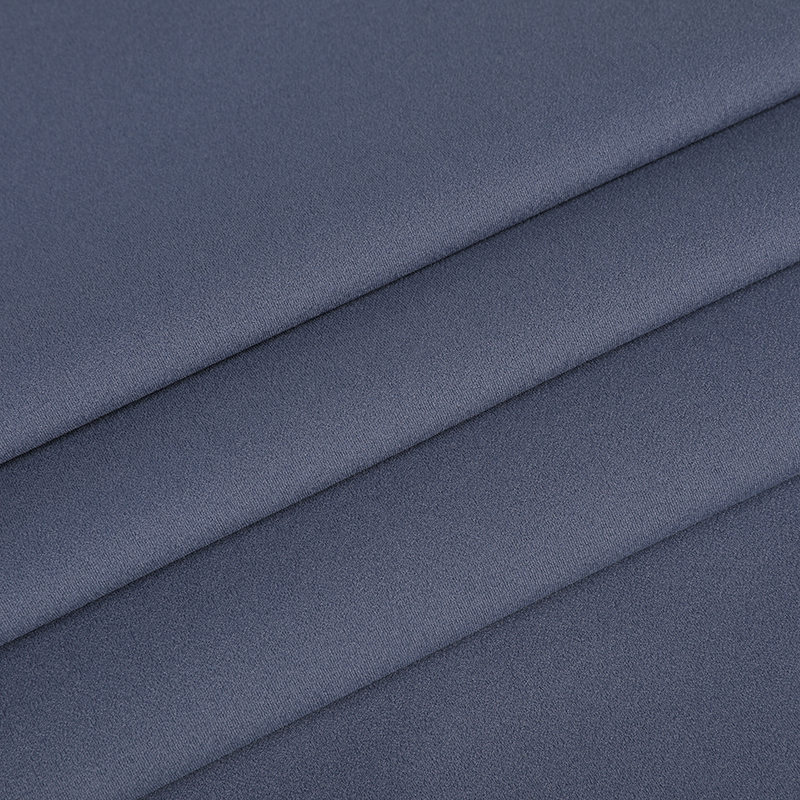
The defining feature of single side sportswear fabric is that its two faces are not built to do the same job — one surface is engineered for appearance and durability, the other for moisture transfer and comfort against the skin. This guide explains how that dual-surface structure works, what performance factors matter most, and how to evaluate a fabric before committing to bulk sportswear production.
Face SideSmooth, durable, print-ready
Back SideMoisture-wicking, breathable
01What Is Single Side Sportswear Fabric
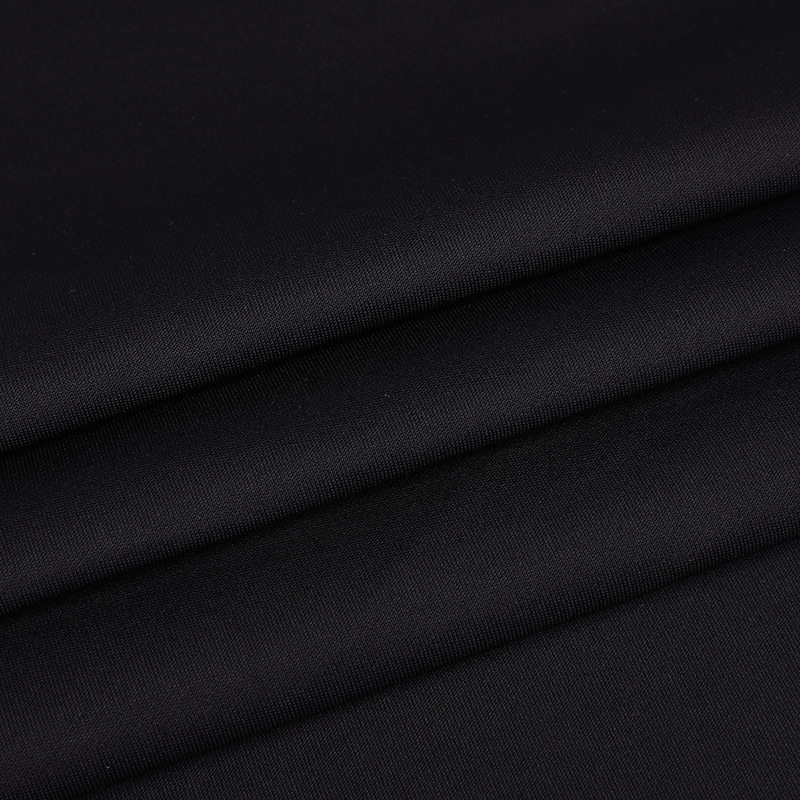
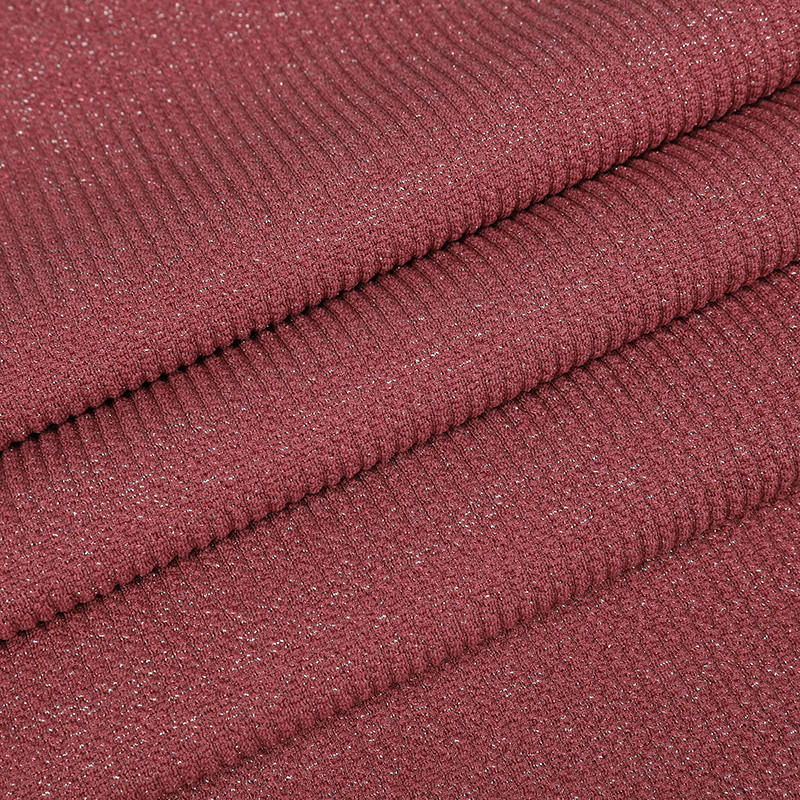
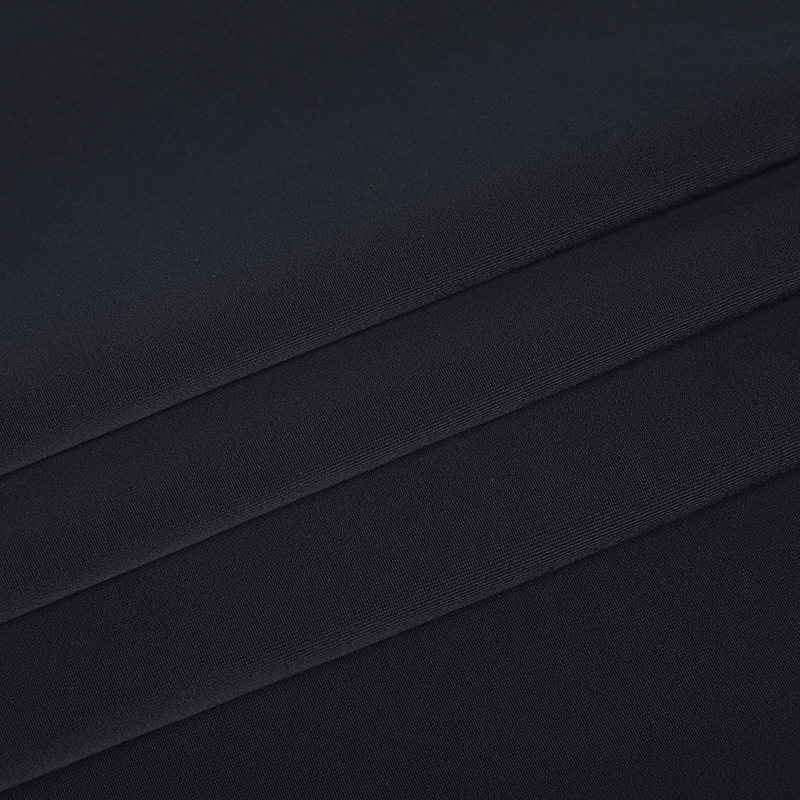
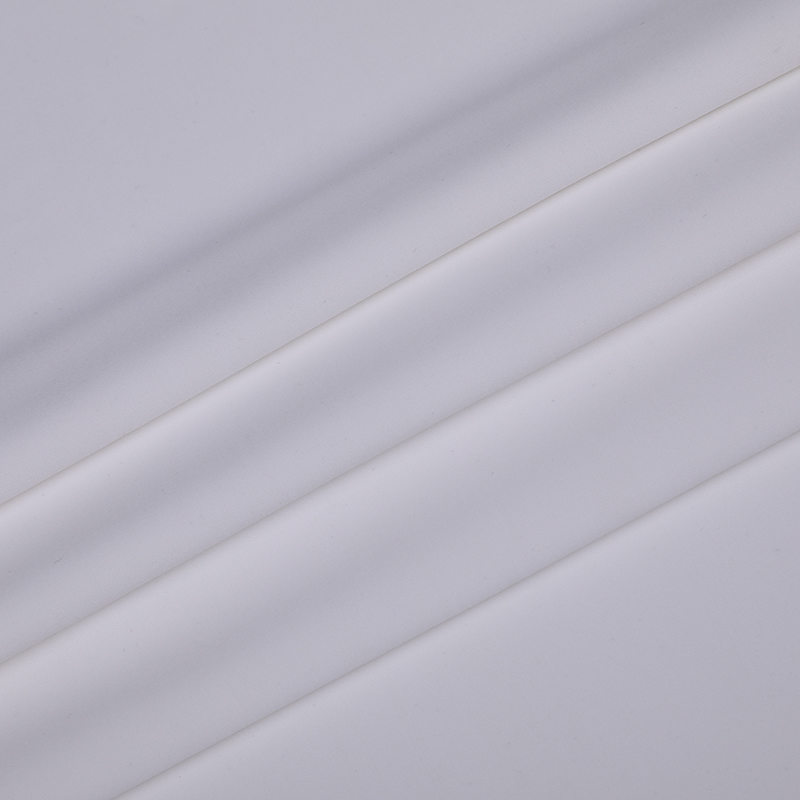
Single side sportswear fabric is a textile engineered so one side carries specific functional or aesthetic characteristics while the opposite side handles comfort, moisture control, or structural support. Common raw materials include polyester fibers, nylon fibers, spandex or elastane blends, and functional yarns selected for the target performance profile.
How the Dual Surface Is Built
Knitting or weaving technology forms the surface difference during fabric construction, and functional finishing — moisture-wicking treatment, quick-dry treatment, softening, or anti-pilling processing — is applied afterward to lock in the performance characteristics of each face.
02Performance Factors That Matter Most
Buyers evaluating single side sportswear fabric should weigh four measurable performance categories against their garment's use case.
- Faster moisture transfer reduces the sticky feeling during intense activity
- Improved airflow supports heat dissipation during long training sessions
- Abrasion-resistant fibers extend garment life under frequent use
- Lightweight construction improves mobility without sacrificing structure
03Single Side vs Traditional Sportswear Fabric
| Factor | Single Side Fabric | Traditional Sportswear Fabric |
| Surface Design | Differentiated front and back function | Uniform surface, basic performance |
| Comfort | Optimized moisture control on inner face | Depends on overall fabric composition |
| Cost | Balanced performance and manufacturing efficiency | Lower cost, fewer functional features |
| Best Use | Professional sportswear, team uniforms | General sports apparel |
04How to Choose the Right Fabric
Start with the garment type, sport intensity, and expected climate conditions, since a compression training top and a lightweight running shirt need different surface treatments. Evaluate moisture management, breathability, and stretch performance against that use case, then confirm technical specifications including GSM weight, fabric width, stretch ratio, and color fastness. Finally, check supplier capability — production experience, quality control systems, and delivery reliability — before finalizing a bulk order.
A fabric's face side determines how the finished garment looks on a hanger — its back side determines how it feels three hours into a game. Test both before approving a bulk order.
05Where This Fabric Is Used
Athletic sportswear producers use single side sportswear fabric for running shirts, training apparel, and competition uniforms. Fitness and activewear brands apply it to gym clothing and yoga apparel, outdoor clothing manufacturers use it for hiking shirts and lightweight jackets, and team uniform producers rely on it for football and basketball jerseys where moisture control and durability both matter.
Frequently Asked Questions
What makes single side fabric different from standard performance fabric?
Single side fabric is engineered with two distinct functional surfaces — one optimized for appearance and durability, the other for moisture transfer and comfort — rather than a uniform surface treatment throughout.
Is single side sportswear fabric suitable for team uniforms?
Yes, its durable outer surface supports printing and branding while the inner surface manages sweat during extended competition, making it a common choice for team uniform production.
What GSM range is typical for this fabric type?
GSM varies by intended use, so buyers should confirm the weight range against the garment's climate conditions and layering requirements before ordering.
Can the fabric's surface finishing be customized?
Yes, fiber composition, surface texture, color, and functional coatings can be adjusted for OEM and private-label sportswear projects.
CONTACT US
If you need a quote or have any questions, you can fill out the following form to contact us.

ABOUT
PRODUCT
CONTACT US
-
 West 3rd Floor, Building 5, Zone A, Hangpai Garment Industrial Park, Changan Town, Haining City, Jiaxing City, Zhejiang Province
-
 +886978217318
-
 [email protected]/[email protected]
Copyright © Haining Junrui Textile Co., Ltd. All Rights Reserved.
