


 English
 中文简体
中文简体 Español
 日本語
日本語Submit feedback
 Home / News / Industry News / How to Choose Brocade Ammonia Imitation Cotton Jersey for Fashion Apparel
Industry News
How to Choose Brocade Ammonia Imitation Cotton Jersey for Fashion Apparel
2026-08-21
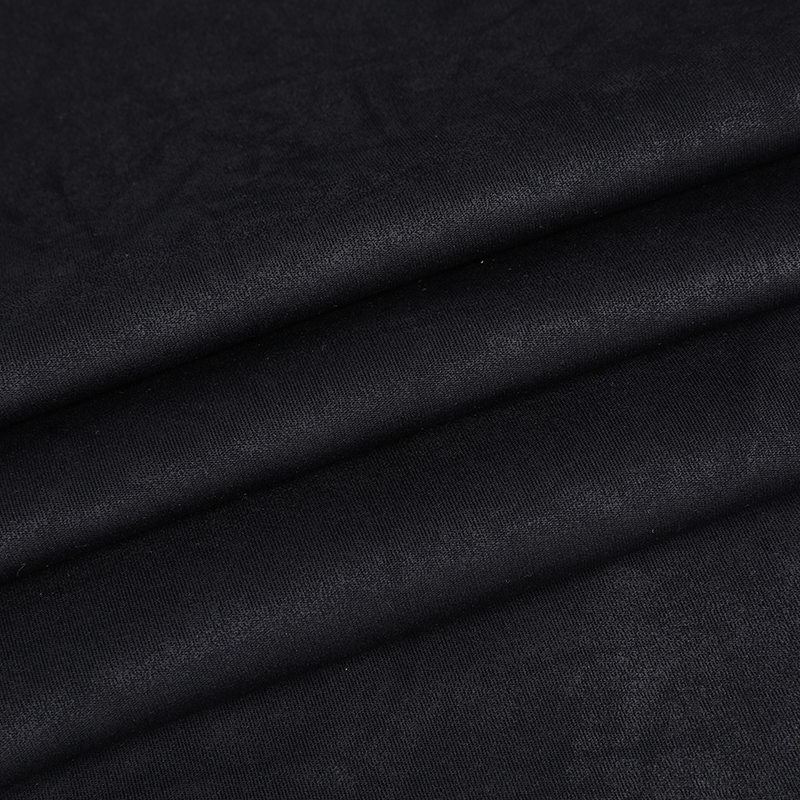
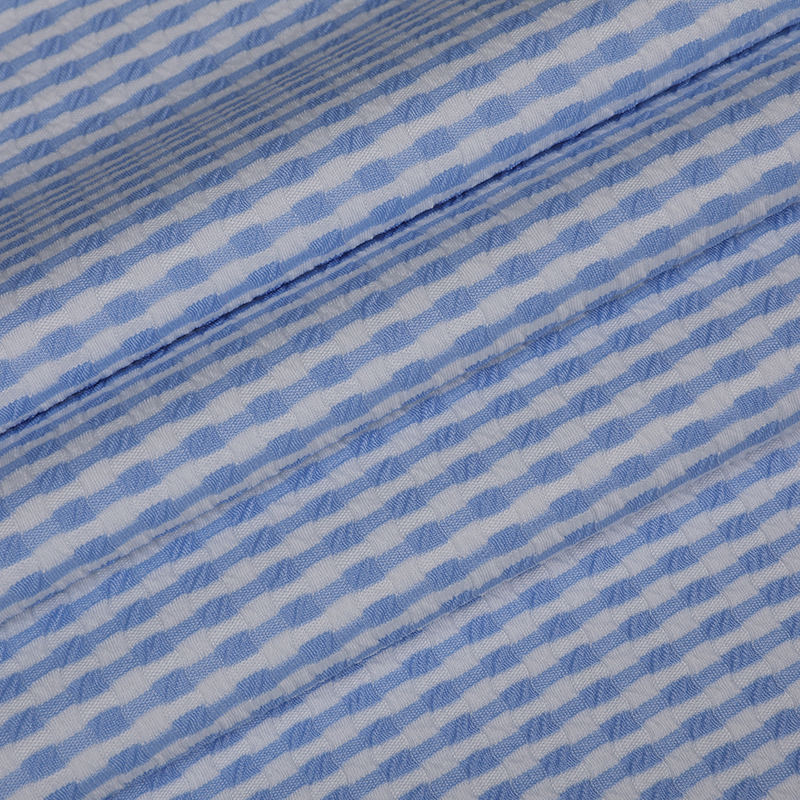
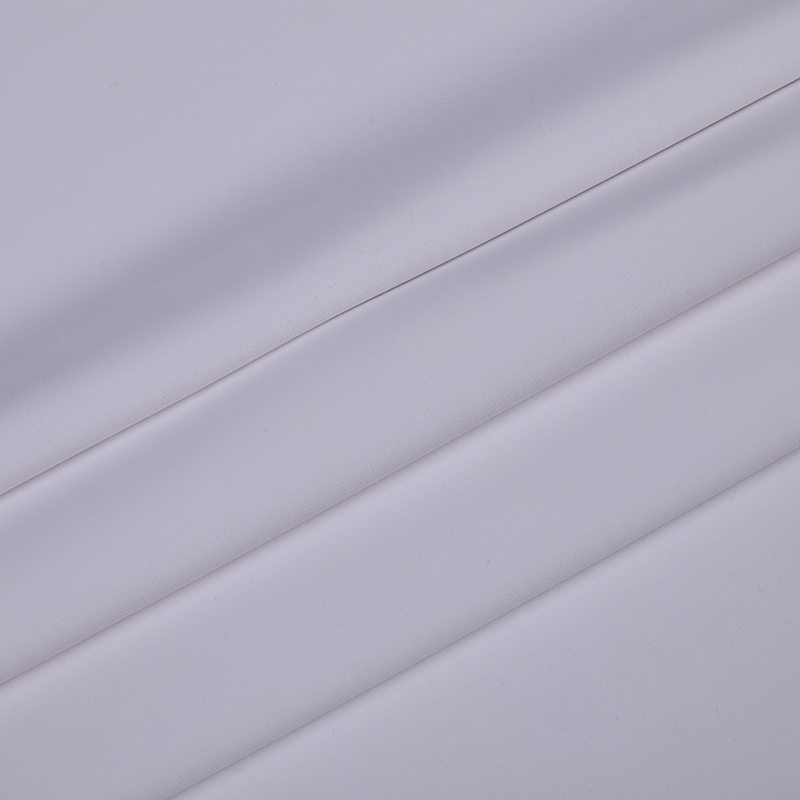
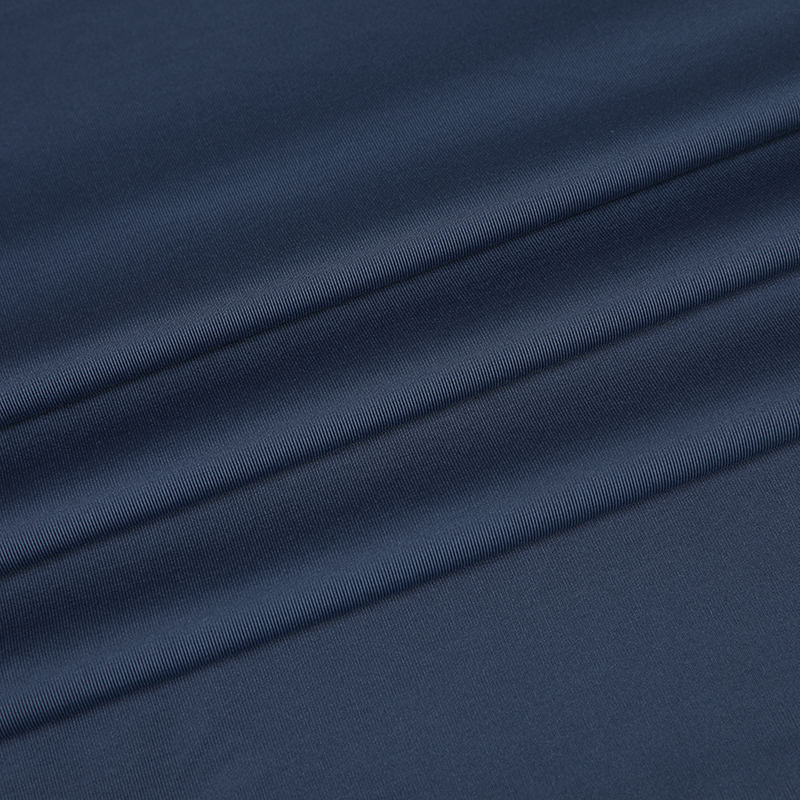
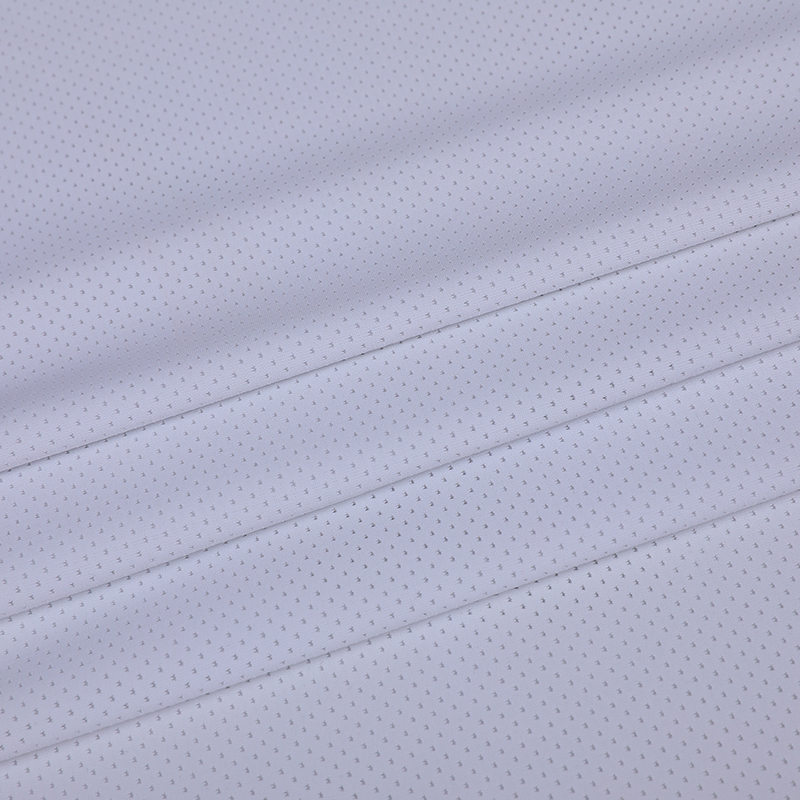
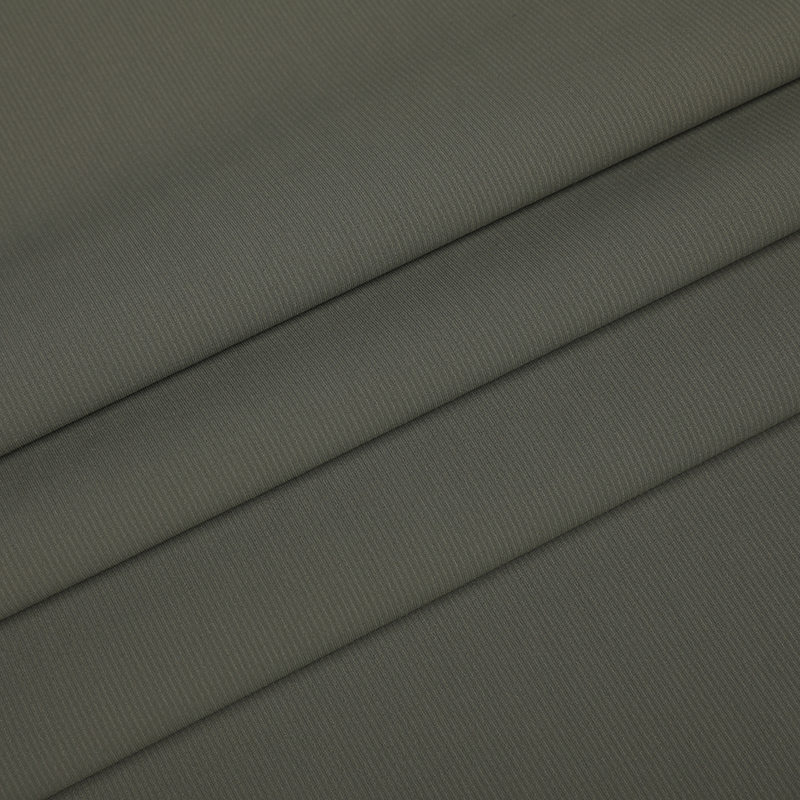
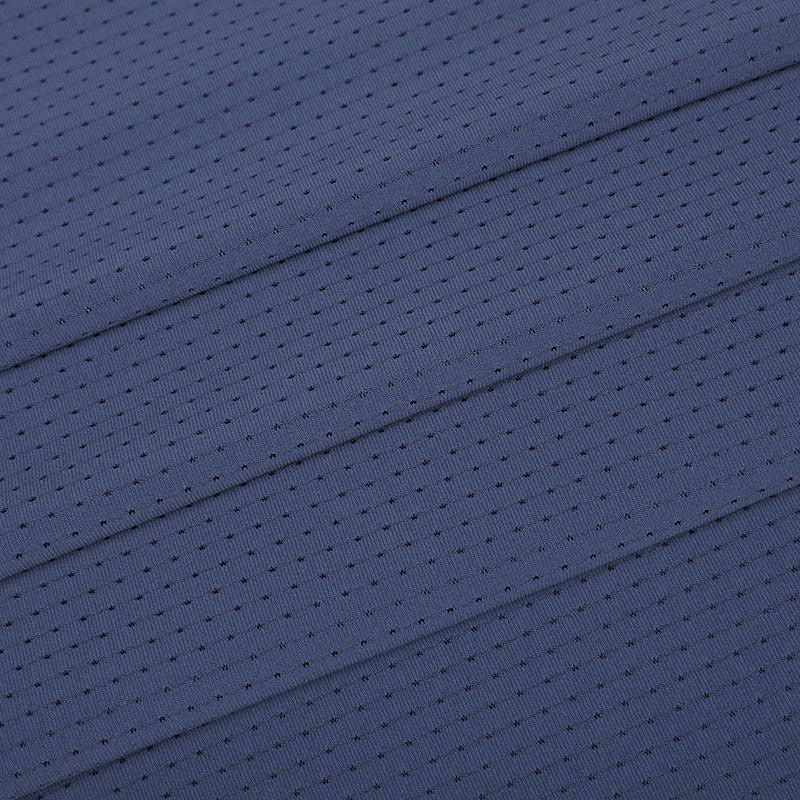
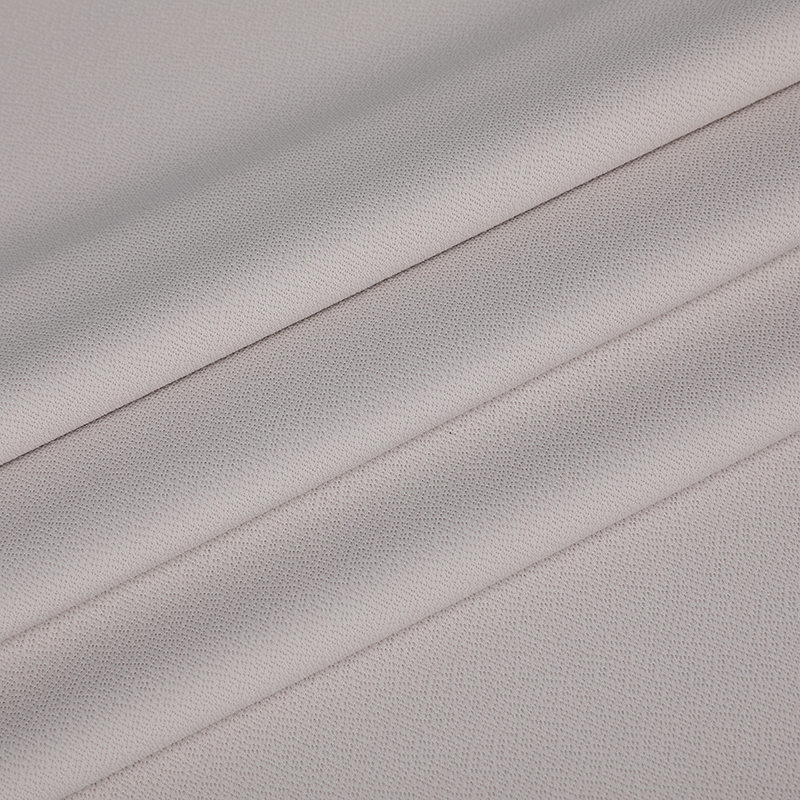
Brocade ammonia imitation cotton jersey is a versatile knitted fabric engineered to deliver the softness and comfort of cotton combined with elastic stretch and decorative brocade texture. This fabric construction creates a cotton-like hand feel while offering the performance benefits of synthetic fibers — including excellent stretch recovery, shape retention, and wrinkle resistance. A premium brocade ammonia imitation cotton jersey is ideal for fashion apparel, casual wear, sportswear, and decorative textile applications where both comfort and visual appeal are essential.
150–280 GSM weight range
20–40 percent stretch capability
4 surface finish options
Fabric construction and performance
Brocade ammonia imitation cotton jersey is a knitted fabric that replicates the soft, breathable qualities of cotton while incorporating the durability and stretch of synthetic fibers. The fabric typically consists of a polyester or synthetic fiber base combined with spandex/elastane for elasticity — typically 5–15 percent elastane content depending on the required stretch level. The jersey knit construction provides natural flexibility and comfort, allowing the fabric to move with the body while maintaining shape. The "ammonia" treatment refers to a finishing process that enhances the fabric's softness and drape, giving it a cotton-like hand feel that is smooth against the skin. A brocade ammonia imitation cotton jersey with 10 percent elastane achieves approximately 30 percent stretch in both directions with 90+ percent recovery, ensuring garments maintain their fit after repeated wear.
Cotton-like softness Ammonia finishing · Skin-friendly
Elastic stretch 20–40% · 90%+ recovery
Brocade texture Decorative patterns · Visual appeal
Types and configurations
Brocade ammonia imitation cotton jersey is available in several configurations to suit different design requirements and end-use applications. Plain jersey offers a clean, smooth surface with the characteristic softness and stretch of the fabric — ideal for basic apparel items where simplicity is desired. Brocade patterned jersey incorporates decorative motifs or textures created during the knitting process, adding visual interest and premium appeal to garments. Stretch versions incorporate higher elastane content (12–15%) for applications requiring maximum flexibility and body-hugging fit. Lightweight constructions (150–200 gsm) are suitable for blouses, tops, and summer dresses, while heavier weights (220–280 gsm) provide more structure for jackets, dresses, and outerwear. Each variant maintains the core properties of softness, elasticity, and durability while addressing specific design and performance requirements.
Plain jersey Smooth · Soft · Basic apparel
Brocade pattern Decorative · Textured · Premium
Stretch High elasticity · Fitted garments
Lightweight 150–200 gsm · Summer · Blouses
Heavyweight 220–280 gsm · Jackets · Dresses
Key performance properties
Brocade ammonia imitation cotton jersey delivers a combination of properties that make it suitable for a wide range of apparel applications. The ammonia finishing process softens the fiber surface, producing a cotton-like hand feel that is comfortable against the skin. The fabric's stretch capability (20–40%) provides freedom of movement, while the high recovery rate (90+ percent) ensures garments maintain their shape after repeated wear. Breathability is good, with air permeability values of 100–200 mm/s, making the fabric comfortable for extended wear. Dimensional stability is achieved through heat-setting during finishing, with shrinkage typically below 3 percent in both directions. The brocade surface treatment adds visual depth and texture without adding significant weight, enhancing the fabric's aesthetic value while maintaining performance characteristics.
Stretch recovery 90%+
Air permeability 100–200 mm/s
Shrinkage <3%
Weight range 150–280 gsm
Manufacturing process
The production of brocade ammonia imitation cotton jersey involves multiple precision stages. The process begins with fiber selection and yarn preparation, where synthetic fibers (typically polyester) are blended with elastane to achieve the required stretch properties. The yarn is then knitted using circular knitting machines with jersey stitch construction — the knitting process determines the fabric's stretch characteristics and surface texture. After knitting, the fabric undergoes the ammonia finishing treatment, which enhances softness and gives the cotton-like hand feel. Brocade patterns are created during the knitting or subsequent finishing process using specialized techniques that produce decorative surface textures. Dyeing is then performed to achieve the required colour, followed by final finishing treatments for dimensional stability and surface appearance. Quality control testing verifies stretch percentage, recovery rate, colour fastness, and fabric weight.
1 Yarn preparation · Blending
2 Knitting · Jersey construction
3 Ammonia finishing · Softening
4 Dyeing & final treatment
Application environments
●
Fashion apparel Dresses · Tops · Skirts · Casual wear
●
Sportswear & leisure Activewear · Stretch clothing · Comfort
●
Home textiles Cushion covers · Decorative fabrics
●
Premium collections Designer apparel · Branded garments
Selection checklist
Define required fabric weight (GSM) for garment type
Select stretch percentage based on fit requirements
Specify brocade pattern or plain surface
Verify colour fastness (minimum 4)
Confirm shrinkage rate (below 3%)
Request stretch recovery test data
Care and maintenance
Proper care preserves the softness, stretch, and appearance of brocade ammonia imitation cotton jersey. Machine washing at 30–40°C with mild detergent is recommended — avoid high temperatures that can damage elastic fibers and cause shrinkage. Turn garments inside out before washing to protect the brocade surface texture. Avoid fabric softeners, which can coat the fibers and affect the cotton-like hand feel. Tumble drying on low heat or air drying preserves fabric elasticity. Do not bleach, as this can damage the fibers and cause discolouration. Ironing should be done on low heat with steam, preferably on the reverse side. With proper care, garments made from this fabric maintain their softness, shape, and appearance through regular use.
Final guidance: Select brocade ammonia imitation cotton jersey by matching weight to garment type (lightweight for tops and blouses, heavyweight for jackets and dresses), stretch percentage to fit requirements, and surface finish to design aesthetic. Verify stretch recovery (minimum 90%) and shrinkage (below 3%) to ensure garment stability. A well-chosen fabric delivers the comfort of cotton with the performance and durability of modern synthetic textiles.
CONTACT US
If you need a quote or have any questions, you can fill out the following form to contact us.

ABOUT
PRODUCT
CONTACT US
-
 West 3rd Floor, Building 5, Zone A, Hangpai Garment Industrial Park, Changan Town, Haining City, Jiaxing City, Zhejiang Province
-
 +886978217318
-
 [email protected]/[email protected]
Copyright © Haining Junrui Textile Co., Ltd. All Rights Reserved.
