


 English
 中文简体
中文简体 Español
 日本語
日本語Submit feedback
 Home / News / Industry News / How Does Swimwear Fabric Affect the Fit and Style of Your Bathing Suit?
Industry News
How Does Swimwear Fabric Affect the Fit and Style of Your Bathing Suit?
2026-03-26
Introduction
When shopping for the bathing suit, one factor often stands out among the rest: the fabric. The material used to create swimwear doesn’t just affect the style, but also plays a significant role in determining comfort, fit, and durability. Whether you’re lounging by the pool or diving into the ocean, the right swimwear fabric can elevate your experience, offering flexibility, support, and confidence.
The Importance of Swimwear Fabric
Swimwear fabrics are engineered to withstand exposure to water, sun, and chlorine. They are designed to be stretchy, lightweight, and quick-drying, but beyond that, their structure directly influences the bathing suit’s fit and how it molds to your body. The right fabric can create a flattering silhouette, enhance support, and offer freedom of movement, all while adding to the aesthetic of your swimwear.
Common Swimwear Fabrics and Their Properties
Several types of swimwear fabrics are commonly used in the production of bathing suits. Below is a breakdown of some of the popular materials, along with their characteristics and benefits:
| Fabric Type | Properties | Benefits |
|---|---|---|
| Nylon | Durable, lightweight, quick-drying, and resistant to mildew | Offers great flexibility, ideal for swimsuits that require stretch |
| Lycra/Spandex (Elastane) | Stretchy, body-hugging, and flexible | Provides a snug fit and enhances shape, offering comfort and support |
| Polyester | Resistant to chlorine and UV rays, fast-drying | Long-lasting and suitable for frequent swimmers, retains shape over time |
| PBT (Polybutylene Terephthalate) | Chlorine-resistant, lightweight, quick-drying | Perfect for swimwear designed for competitive swimmers or those in chlorinated pools |
Each fabric type serves a different purpose depending on the level of comfort, durability, and performance desired. For example, Lycra is often chosen for its ability to stretch and move with the body, while polyester is preferred for its resistance to chlorine, making it ideal for regular swimmers.
Impact on Fit and Comfort
The fabric used in swimwear has a direct effect on how well the suit fits. Materials like Lycra and Spandex provide stretch, allowing the swimsuit to hug the body and provide a supportive fit without feeling restrictive. The stretchiness also ensures that the suit moves with the body, making it ideal for active swimmers or individuals who enjoy water sports.
On the other hand, fabrics like polyester and PBT are known for maintaining their shape. They offer a more firm fit, which can provide additional support, particularly for individuals with specific fit preferences. These fabrics are great for those looking for a swimsuit that doesn’t lose its form after multiple uses.
Moreover, certain fabrics are designed with features like tummy control panels or extra support in the bust area, providing more tailored fits to enhance body shape and comfort.
Style and Aesthetics
Swimwear fabric doesn’t just impact the fit – it also plays a significant role in the overall style of the swimsuit. The type of fabric can determine how vibrant or textured the swimwear looks, affecting its appearance on the body. Here’s how different fabrics influence the style of a bathing suit:
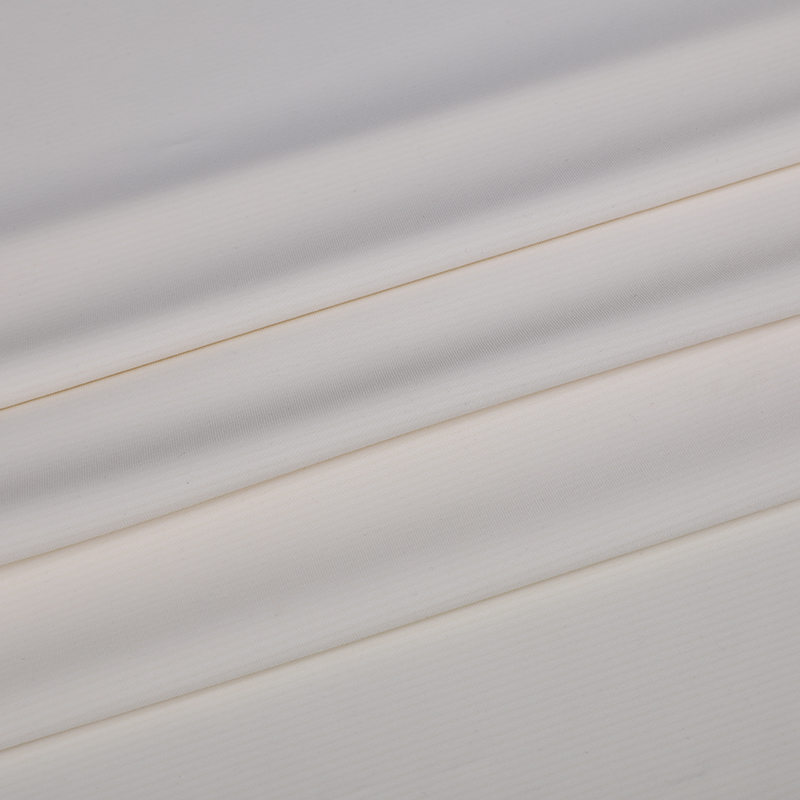
- Shiny Fabrics: Materials like Lycra and Spandex tend to have a glossy, shiny finish, which can create a sleek and eye-catching look. These fabrics are popular for modern and athletic swimwear designs.
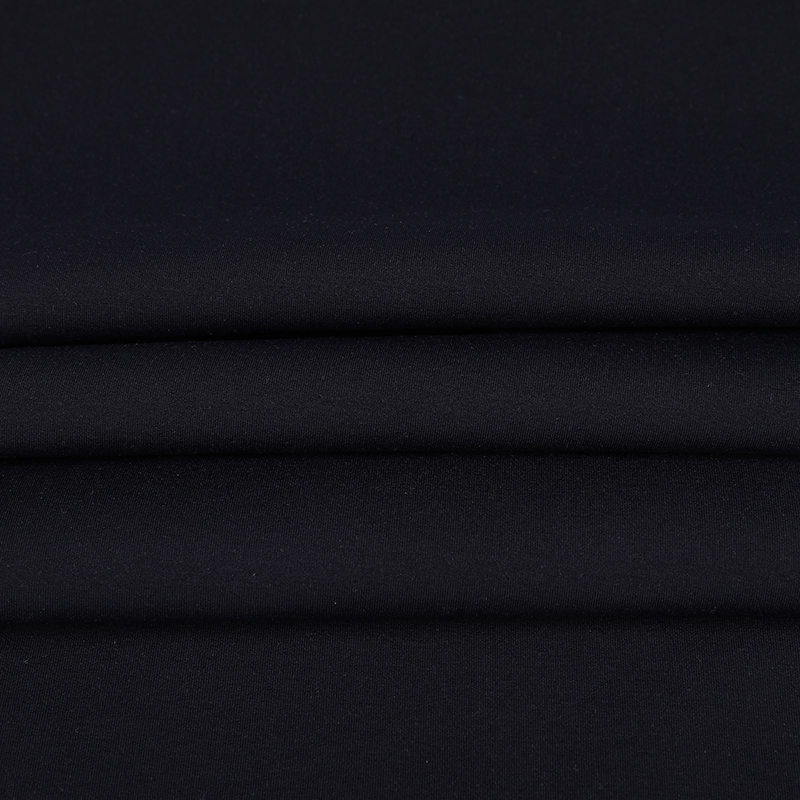
- Matte Fabrics: Polyester and PBT offer a matte finish, which provides a more understated, classic aesthetic. These fabrics are often chosen for minimalistic or high-performance swimwear.
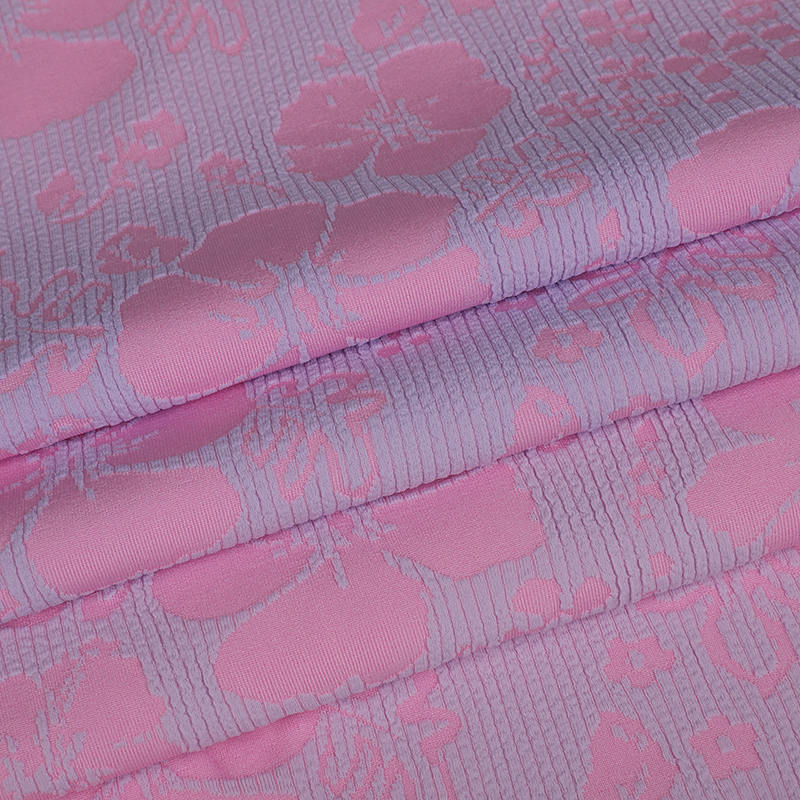
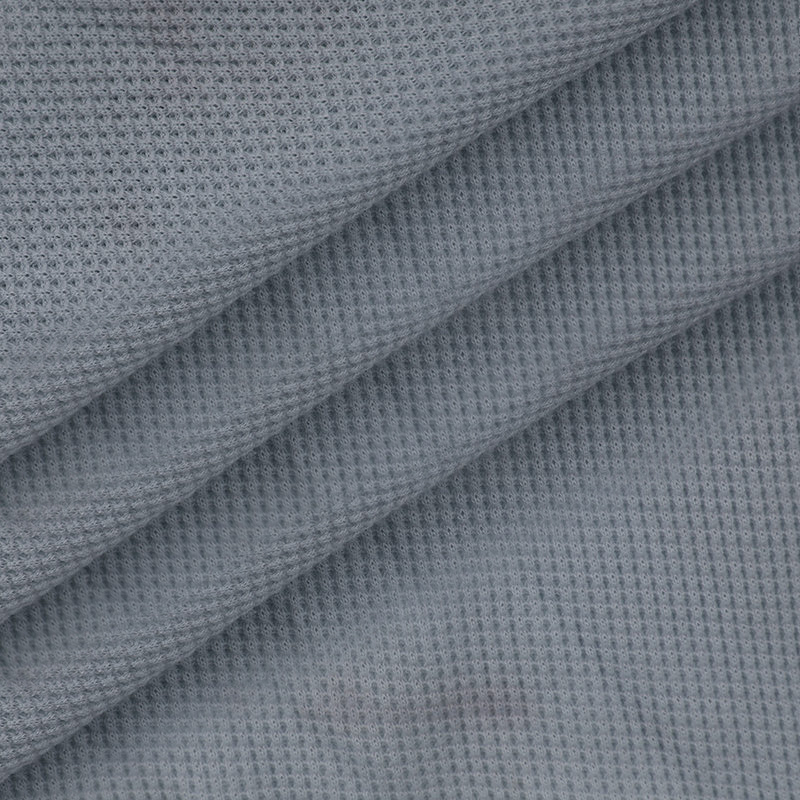
- Textured Fabrics: Certain swimwear fabrics feature textures or patterns, such as ribbed or crochet designs. These fabrics add visual interest and can be used to create a more stylish, fashion-forward look.
The fabric you choose can significantly affect how your swimsuit fits your body and how it looks on you. Whether you’re after a sleek, form-fitting look or a more relaxed, vintage style, the fabric’s appearance and texture can help you achieve the right design.
Durability and Maintenance
Swimwear fabric’s durability is crucial, especially for those who swim regularly or frequently expose their suits to sun, saltwater, or chlorine. Materials like polyester and PBT are known for their resistance to fading and degradation. They maintain their color and integrity over time, even after multiple washes and prolonged exposure to harsh elements.
Other fabrics, such as Lycra and Spandex, are more prone to losing their elasticity and fading with repeated exposure to chlorine. However, these fabrics still offer incredible comfort and flexibility, which is why they remain popular in the swimwear industry.
To prolong the life of your swimsuit, it’s essential to care for it properly. Rinsing the fabric immediately after swimming, washing it by hand, and avoiding excessive heat can help maintain the fabric’s condition and ensure your bathing suit lasts longer.
How Fabric Affects Body Shape and Fit
Certain fabrics are better suited for enhancing body shape. For instance, Lycra and Spandex are commonly used in swimsuits designed to provide a slimming effect. Their stretch allows the fabric to smooth over the body, creating a streamlined silhouette. Additionally, some fabrics feature built-in control panels that offer shaping and extra support in areas like the waist and hips.
On the other hand, fabrics like polyester are known for their more rigid nature, offering a firmer fit that can be beneficial for those who want more structured support. This can be particularly helpful for individuals who require additional bust support or more control in specific areas of their body.
Conclusion
The fabric used in your swimwear plays a crucial role in determining the overall fit, comfort, and style of your bathing suit. From the stretchy, body-hugging properties of Lycra to the chlorine-resistant durability of polyester, each fabric offers unique benefits that can cater to different needs and preferences. Understanding how swimwear fabric affects the fit and style of your suit will help you make more informed choices when selecting your next piece of swimwear.
FAQ
1. What is the fabric for swimwear?
The fabric for swimwear depends on your needs. Lycra and Spandex are ideal for flexibility and comfort, while polyester and PBT are great for durability and resistance to chlorine.
2. How does swimwear fabric affect comfort?
Swimwear fabric impacts comfort by determining how well the suit fits and stretches with your body. Stretchy fabrics like Lycra provide more flexibility, while firmer fabrics like polyester offer more support.
3. What fabric should I choose for competitive swimming?
For competitive swimming, fabrics like PBT and polyester are recommended due to their chlorine resistance, durability, and ability to maintain their shape over time.
4. Can swimwear fabric lose its elasticity?
Yes, fabrics like Lycra and Spandex can lose elasticity with frequent exposure to chlorine, heat, and wear. Proper care can help prolong their stretchiness.
5. How do textured swimwear fabrics affect style?
Textured fabrics, like ribbed or crochet materials, add a unique visual element to swimwear, creating a fashionable, stylish look while still offering comfort and performance.



CONTACT US
If you need a quote or have any questions, you can fill out the following form to contact us.

ABOUT
PRODUCT
CONTACT US
-
 West 3rd Floor, Building 5, Zone A, Hangpai Garment Industrial Park, Changan Town, Haining City, Jiaxing City, Zhejiang Province
-
 +886978217318
-
 [email protected]/[email protected]
Copyright © Haining Junrui Textile Co., Ltd. All Rights Reserved.
